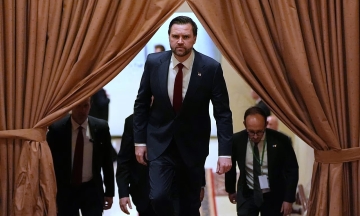
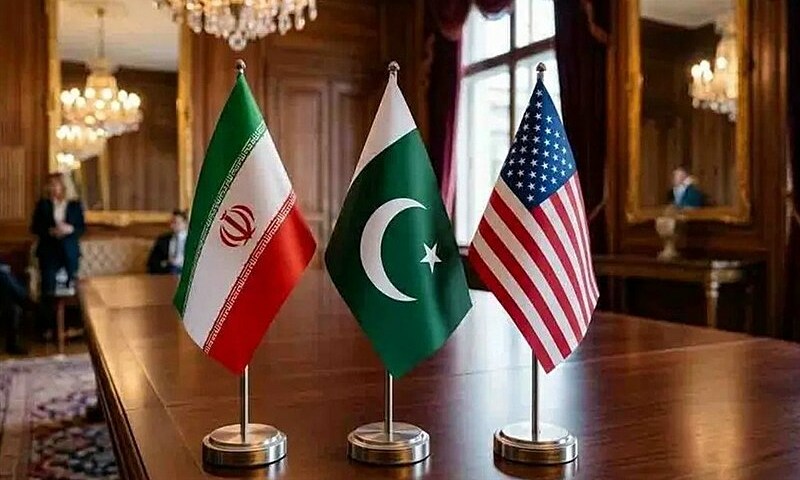
US Vice President JD Vance announced this morning that negotiations with Iran in Pakistan concluded without progress, attributing the failure to Tehran's rejection of "flexible" US terms, particularly concerning its nuclear program. Vance told reporters before departing Pakistan, "We were very accommodating. President Donald Trump said, 'You need to come here with good faith and make every effort to reach an agreement'. We did so, but unfortunately, no progress could be made."
Vance emphasized that Iran's refusal to end its nuclear program was the central obstacle. He stated, "We left with a very simple proposal, which is America's final and best offer. Let's wait and see if Iran accepts it." Specifically addressing the rejected terms, he added, "We need to see a commitment that they will not pursue nuclear weapons and will not seek tools that would allow them to quickly acquire nuclear weapons. We have not seen that yet, and we hope to."
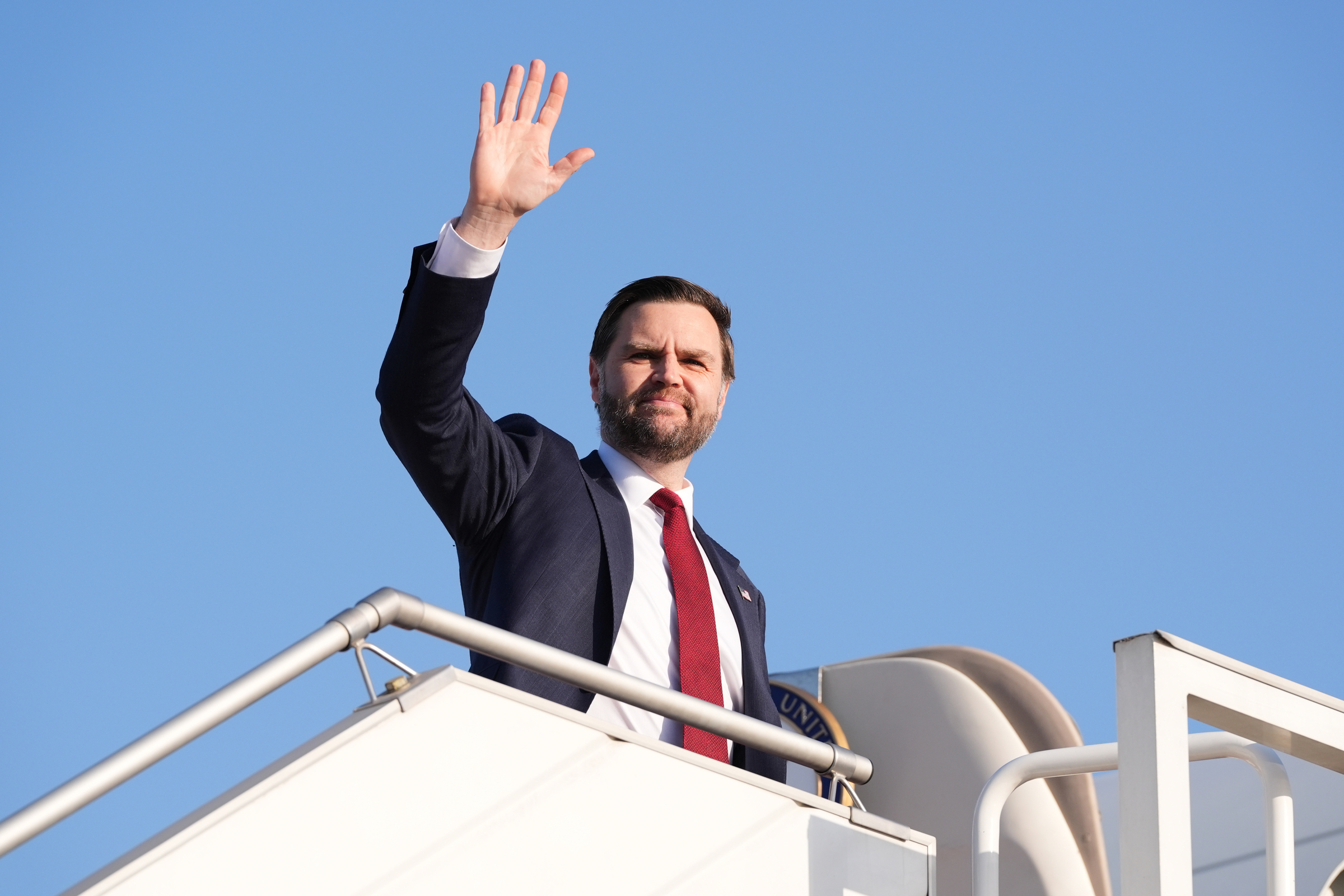 |
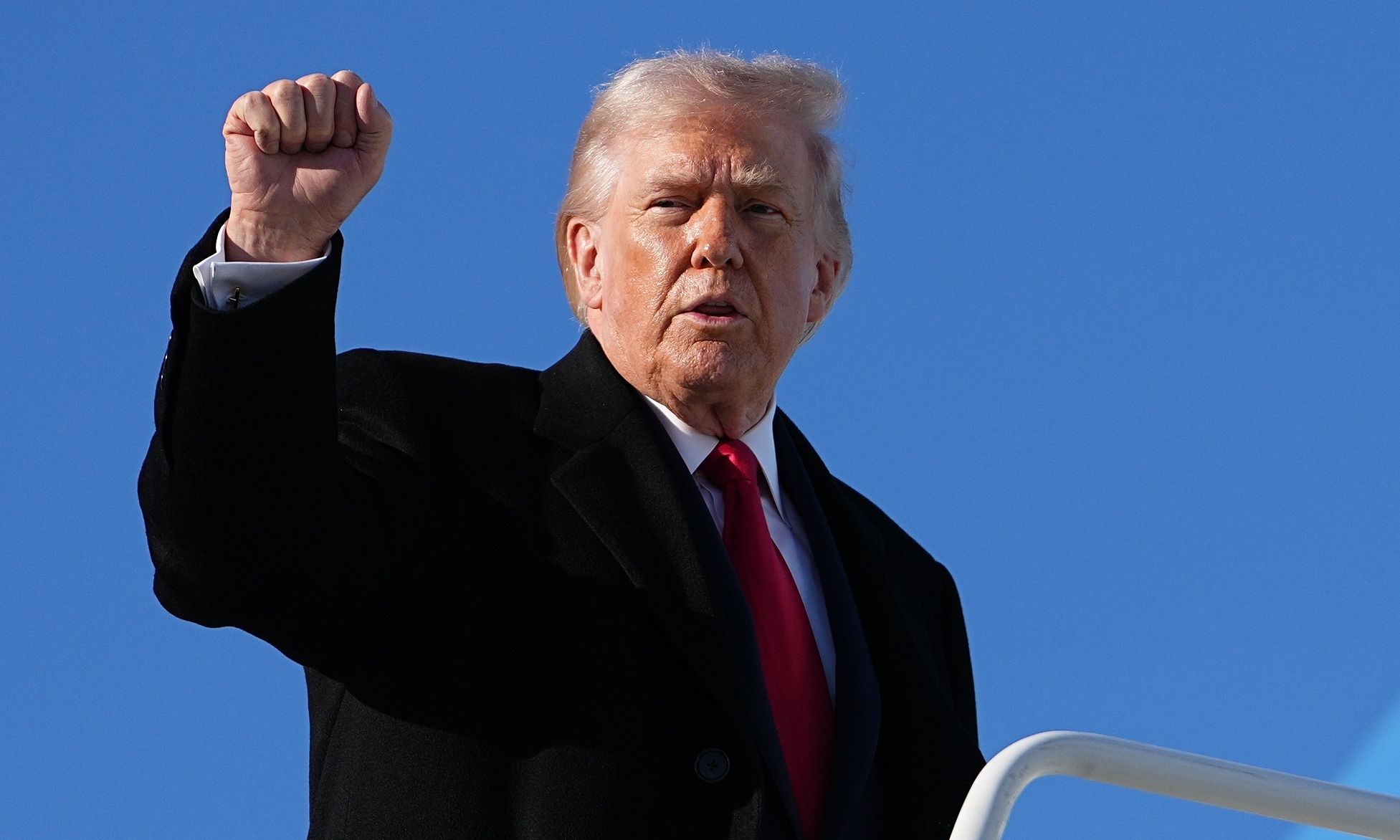
Vice President Vance boards a private jet to depart Pakistan after talks with Iran on 12/4. Photo: *AP*
Iran's Tasnim news agency corroborated the talks' conclusion without an agreement, blaming "Washington's excessive demands" for obstructing efforts. Press TV further reported that key disagreements included transit rights through the Strait of Hormuz, in addition to Tehran's nuclear program.
The US and Iranian delegations engaged in 21 hours of direct negotiations, mediated by Pakistan, which concluded early on 12/4. This direct engagement, with officials from both sides meeting alongside Pakistani counterparts rather than through intermediaries, marked a departure from customary diplomatic practice. Throughout the talks, Vance maintained constant communication with President Trump and senior US officials, including Secretary of State Marco Rubio, Secretary of Defense Pete Hegseth, Secretary of the Treasury Scott Bessent, and Admiral Brad Cooper, commander of US Central Command (CENTCOM), which oversees US combat operations in the Middle East.
The negotiations unfolded amidst escalating tensions in the Strait of Hormuz. The US recently announced the deployment of warships through the strait for mine-sweeping operations, a move that prompted Iran to threaten "severe action" against any military vessels in the area.
Ngoc Anh (According to CNN, Times of Israel, AFP)