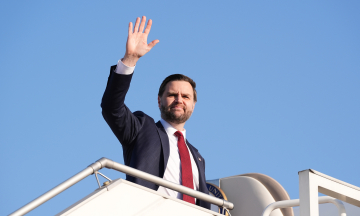
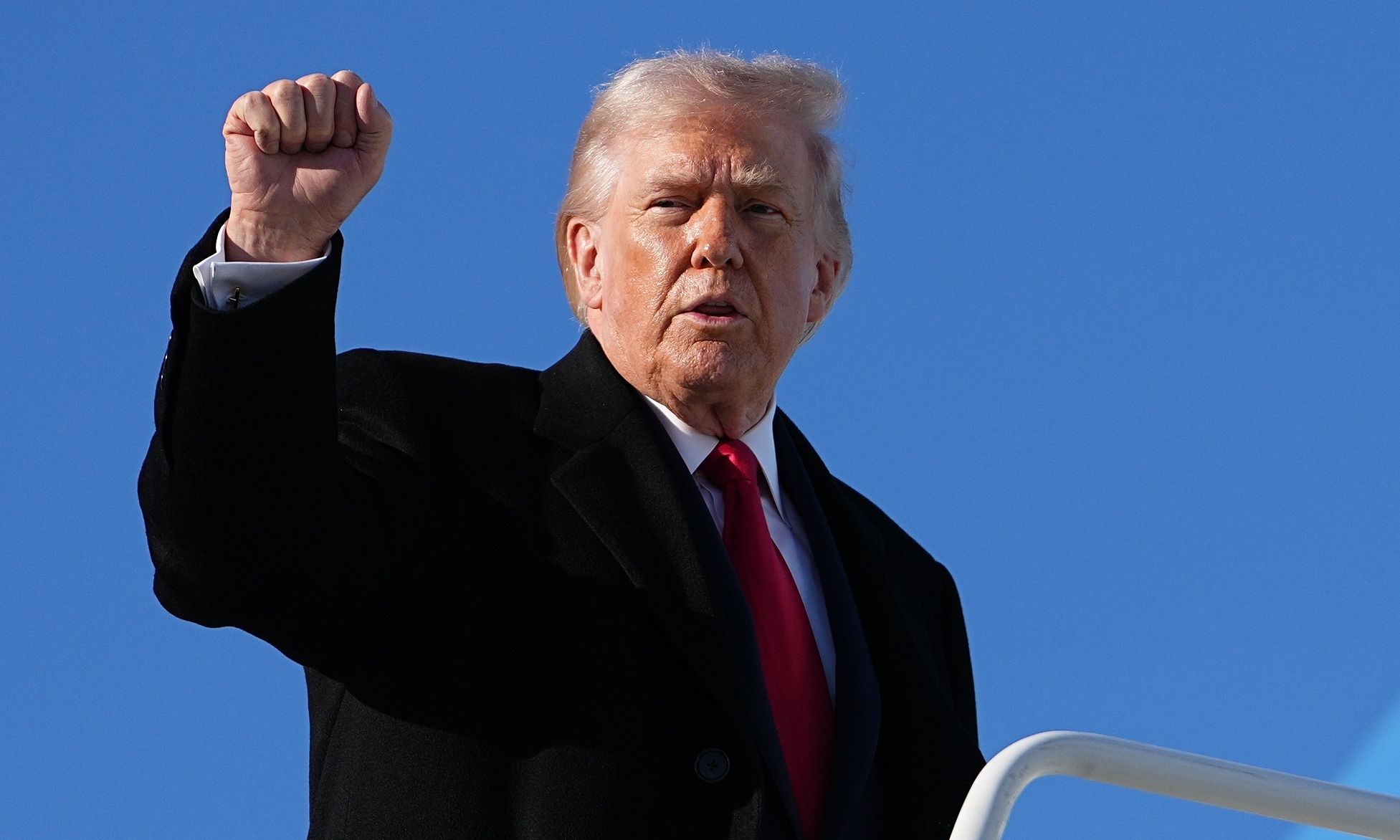
"The bad news is that we have not reached an agreement. I think that is worse news for Iran than for the US. Therefore, we will return to the US without any agreement," US Vice President JD Vance stated at a press conference in Islamabad, Pakistan, early this morning.
Vance clarified that the US had outlined its red lines, specifying what it was willing to concede and what it could not. "We made that as clear as possible, but they chose not to accept the terms put forward by the US," he added.
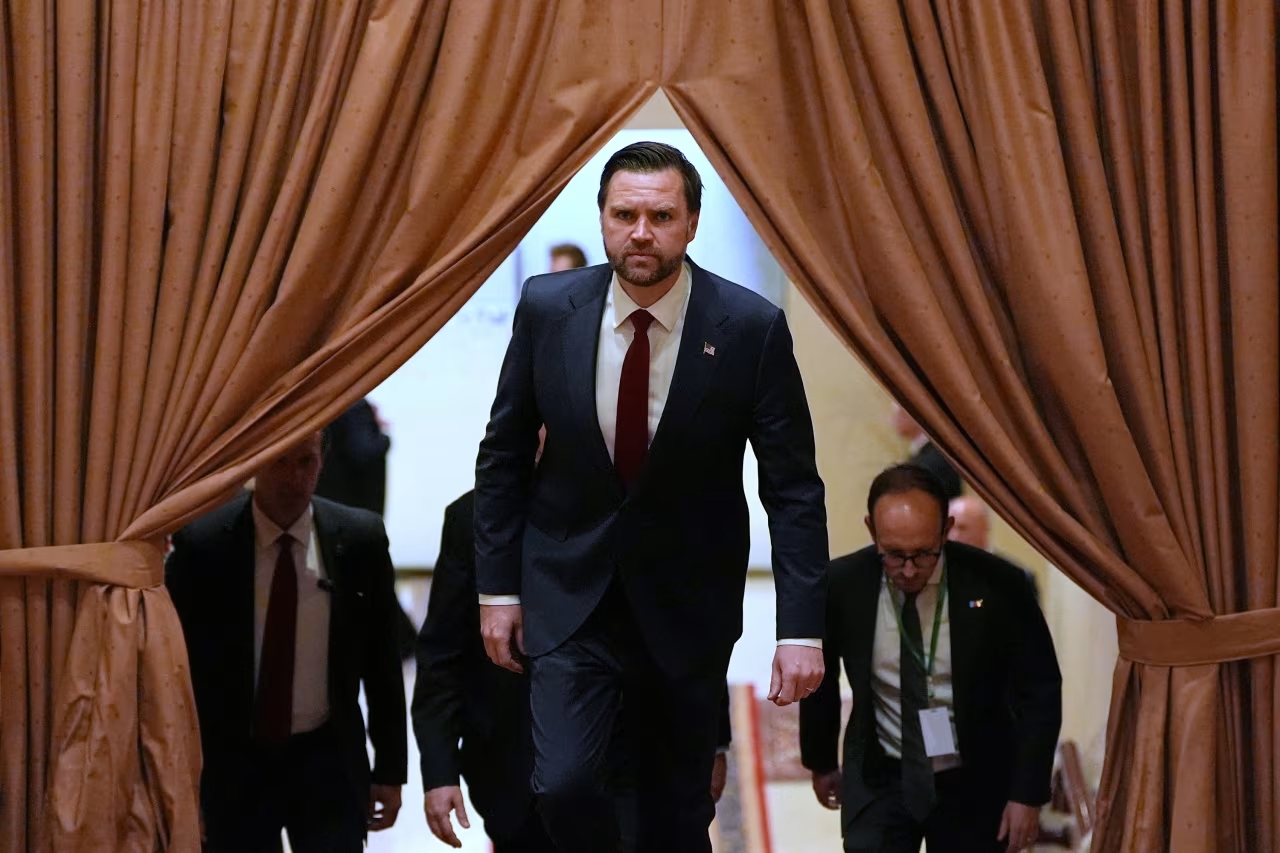 |
US Vice President JD Vance in Islamabad, Pakistan, on 11/4. Photo: Reuters |
Vice President Vance also thanked Pakistan, praising the host nation for its efforts in trying to help the US and Iran bridge their differences. He affirmed that Pakistan was not to blame for any shortcomings in the negotiation process, adding that the US and Iran had engaged in 21 hours of substantive discussions, which he considered positive.
The Iranian delegation has not yet commented on this information.
The White House previously stated that US and Iranian delegations negotiated from 11/4 until early on 12/4. Iranian media confirmed that both sides paused talks for several hours before dawn, accusing the US of making "excessive demands" regarding the Strait of Hormuz.
Early on 12/4, Iranian Foreign Ministry Spokesperson Esmaeil Baqaei announced that the two delegations resumed negotiations, despite persistent differences.
"Over the past 24 hours, discussions have covered many aspects of the main negotiation topics, including the Strait of Hormuz, the nuclear issue, war reparations, the lifting of sanctions, and a complete cessation of the campaign against Iran and in the region," he said.
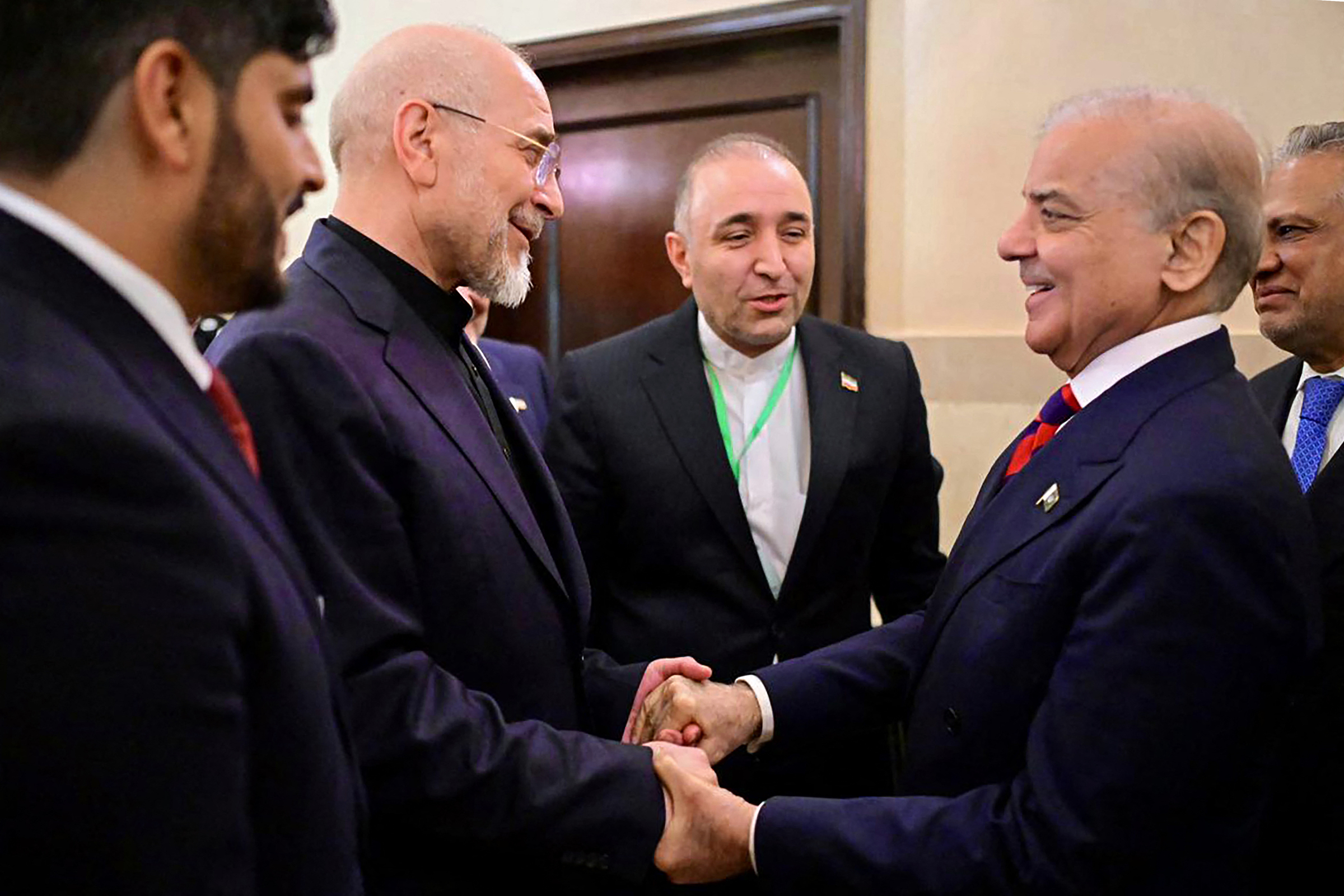 |
Iranian Parliament Speaker Mohammad Bagher Ghalibaf (left) shakes hands with Pakistani Prime Minister Shehbaz Sharif ahead of talks on 11/4. Photo: AFP |
The Iranian Foreign Ministry spokesperson emphasized that the success of the talks depended on "the seriousness and goodwill of the opposing party, restraint from excessive and unlawful demands, and acceptance of Iran's legitimate rights and interests."
A Pakistani official commented that the negotiations were "progressing in the right direction," evaluating the discussions as positive and occurring in a friendly atmosphere.
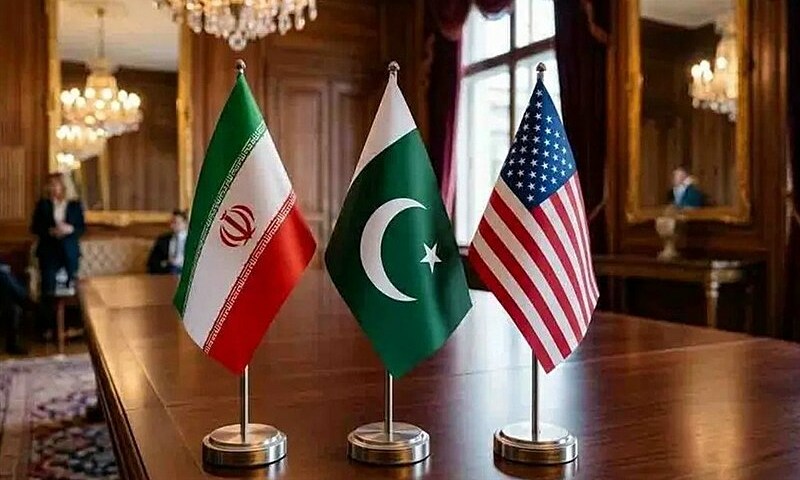
Unlike customary practice, US and Iranian officials met directly with Pakistani officials, rather than communicating through intermediaries moving between rooms.
Pakistan has emerged as a crucial mediator in efforts to end the escalating conflict across the Middle East. The Pakistani Prime Minister's Office stated that he appreciated the parties' commitment to constructive dialogue, expressing hope that the negotiations would pave the way for lasting peace.
Ngoc Anh (According to AFP, CNN, Reuters)