"Negotiations are continuing. As the President has stated, they are yielding positive results," White House Press Secretary Karoline Leavitt said on 25/3, refuting reports that diplomatic efforts between the US and Iran had reached a stalemate.
Leavitt stated it is time for Iran to reach an agreement, affirming President Donald Trump is nearing key military objectives outlined by the White House in the "Operation Horrific Rage" campaign.
"If Iran does not accept the current reality, does not recognize its military defeat, and this situation continues, President Trump will unleash unprecedented heavy attacks upon them," the White House Press Secretary continued. "The President is not making empty threats and is ready to deliver devastating blows. Iran should not miscalculate again."
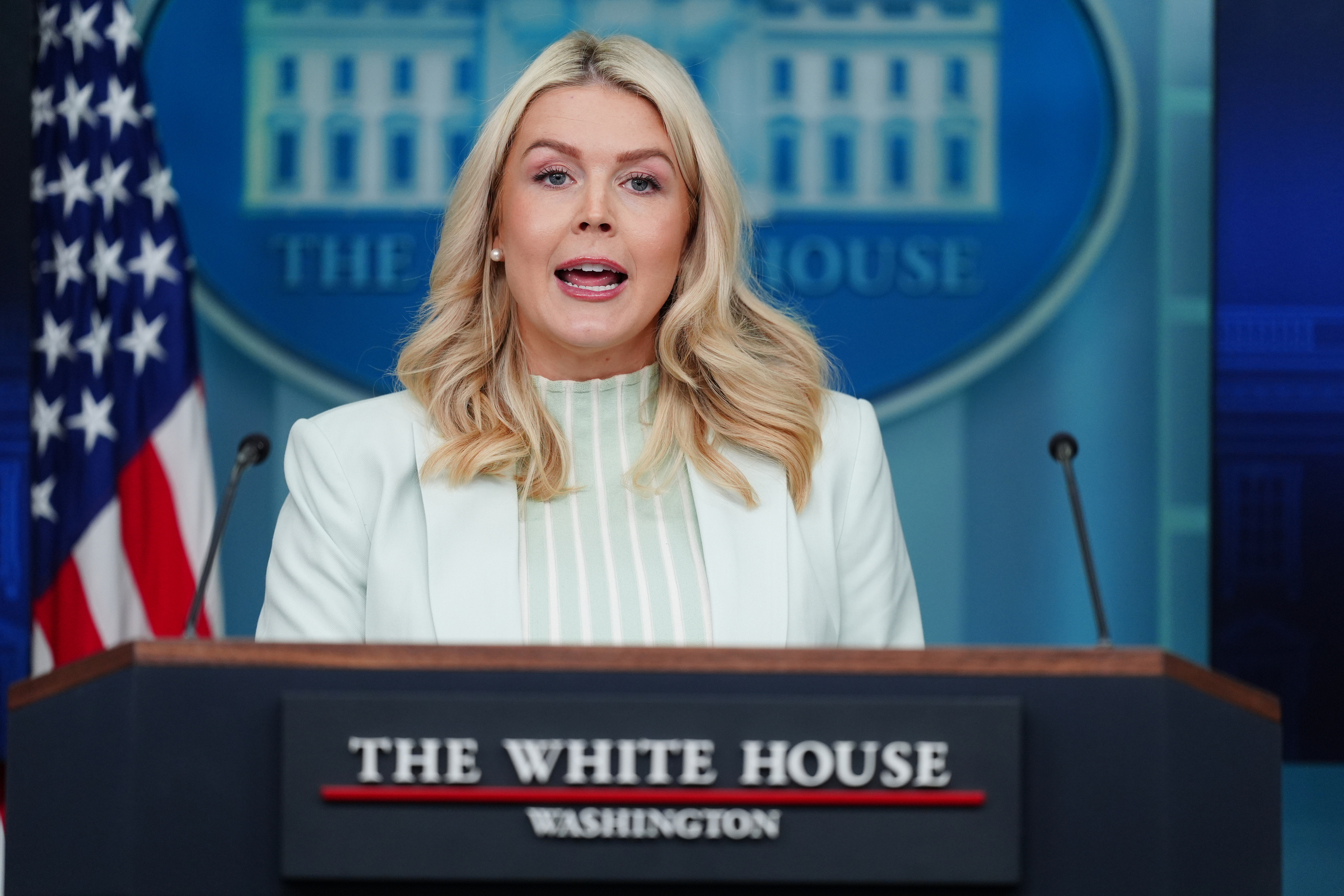 |
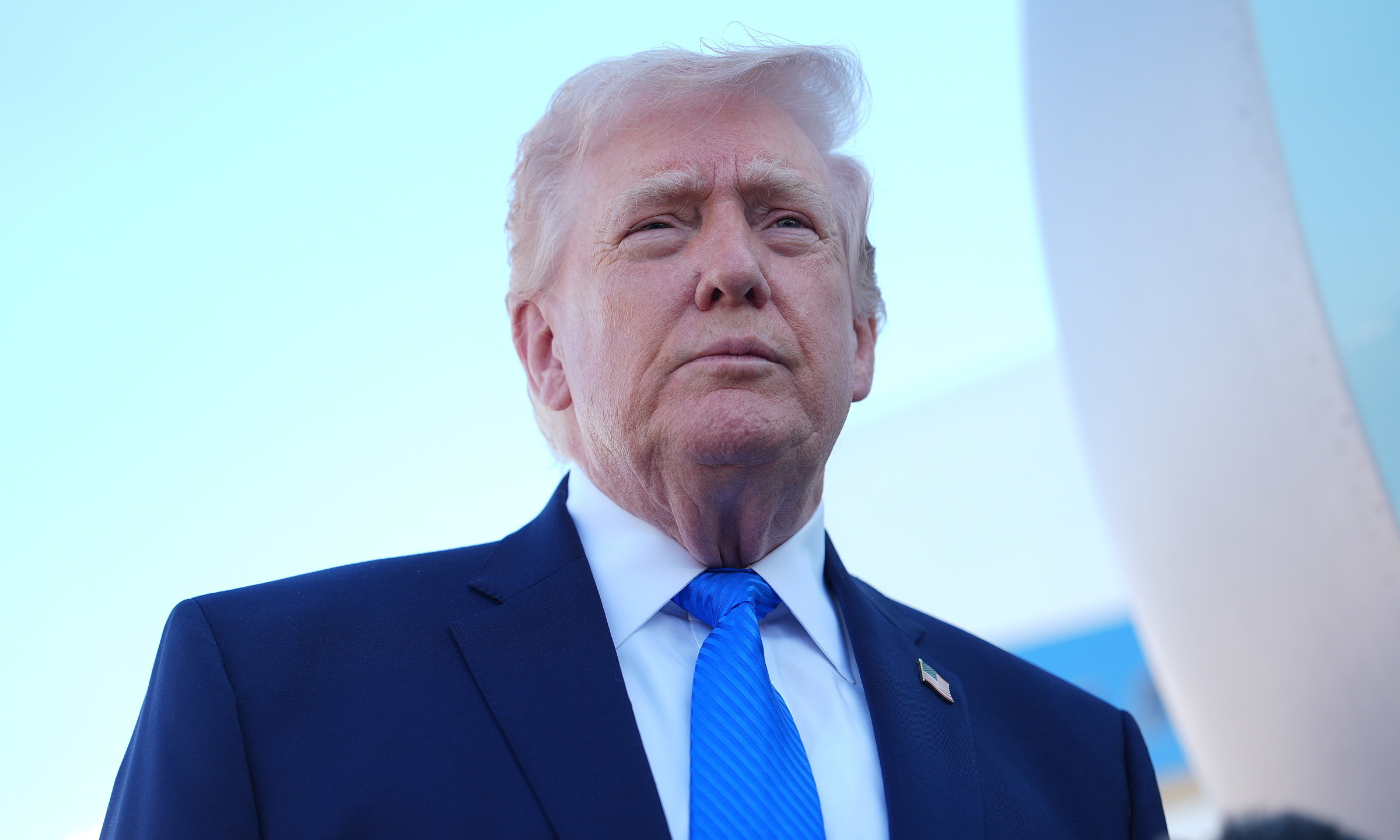
White House Press Secretary Karoline Leavitt at a press conference on 25/3. Photo: AP
Leavitt's remarks followed Iranian state media reports the same day, quoting a senior official who stated Tehran had reviewed and rejected a conflict resolution proposal from Washington.
The US reportedly delivered a 15-point ceasefire proposal to Iran via Pakistan. The document addresses issues such as easing sanctions, civilian nuclear cooperation, reducing Iran's nuclear program, International Atomic Energy Agency oversight, demands to limit Iran's missile program, and the movement of vessels through the Strait of Hormuz.
According to Leavitt, media reports about the 15-point plan were "partially true" but stressed some details were "not entirely accurate." She declined to disclose whom Washington was working with in Tehran, and did not confirm speculation that senior US officials, including Vice President JD Vance, were about to negotiate with Iranian representatives in Pakistan.
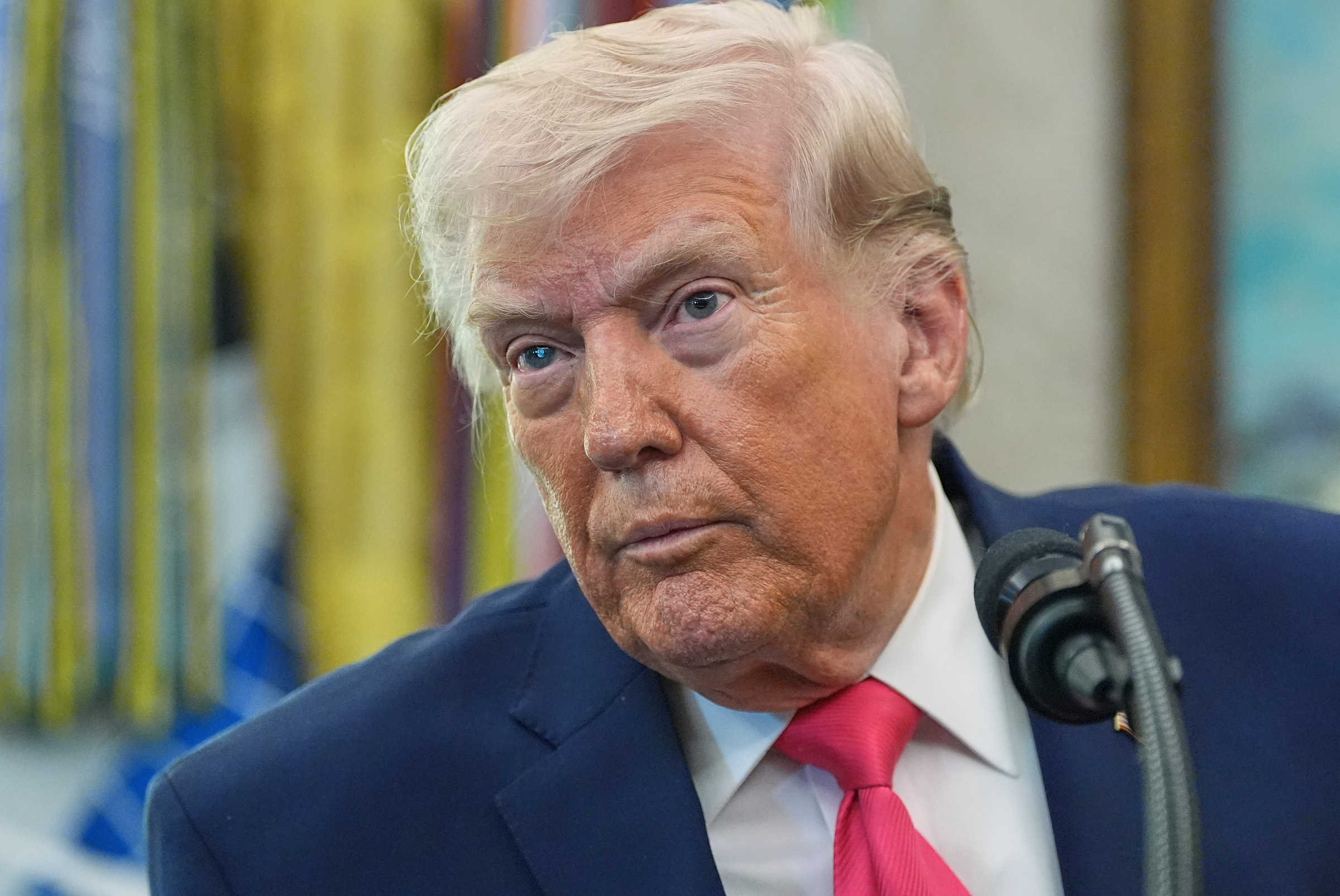 |
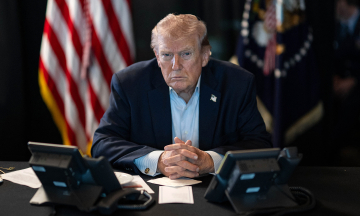
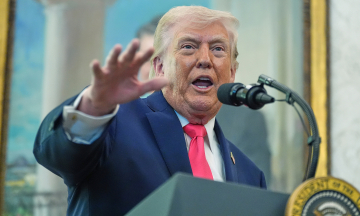
President Donald Trump at the White House on 24/3. Photo: AP
President Trump surprised many on 23/3 by announcing the US was negotiating with Iran to end a conflict that had lasted over three weeks. The following day, he issued further cryptic statements suggesting Iran had given the US a "very big gift" related to oil and gas, and that Washington believed it was negotiating with "the right people."
Meanwhile, Iranian officials denied reports of negotiations with the US. Foreign Minister Abbas Araghchi reiterated on Iranian state television on 25/3 that Tehran "has no intention to negotiate."
"Currently, our policy is to continue resistance," Araghchi stated, adding that the US mentioning negotiations now is "an admission of Washington's failure." "We want to end the war on our own terms, in a way that this situation does not repeat."
Foreign Minister Araghchi confirmed Tehran only blocks adversary vessels through the Strait of Hormuz, and Iran's armed forces "have provided a safe corridor" through the waterway for friendly nations' vehicles.
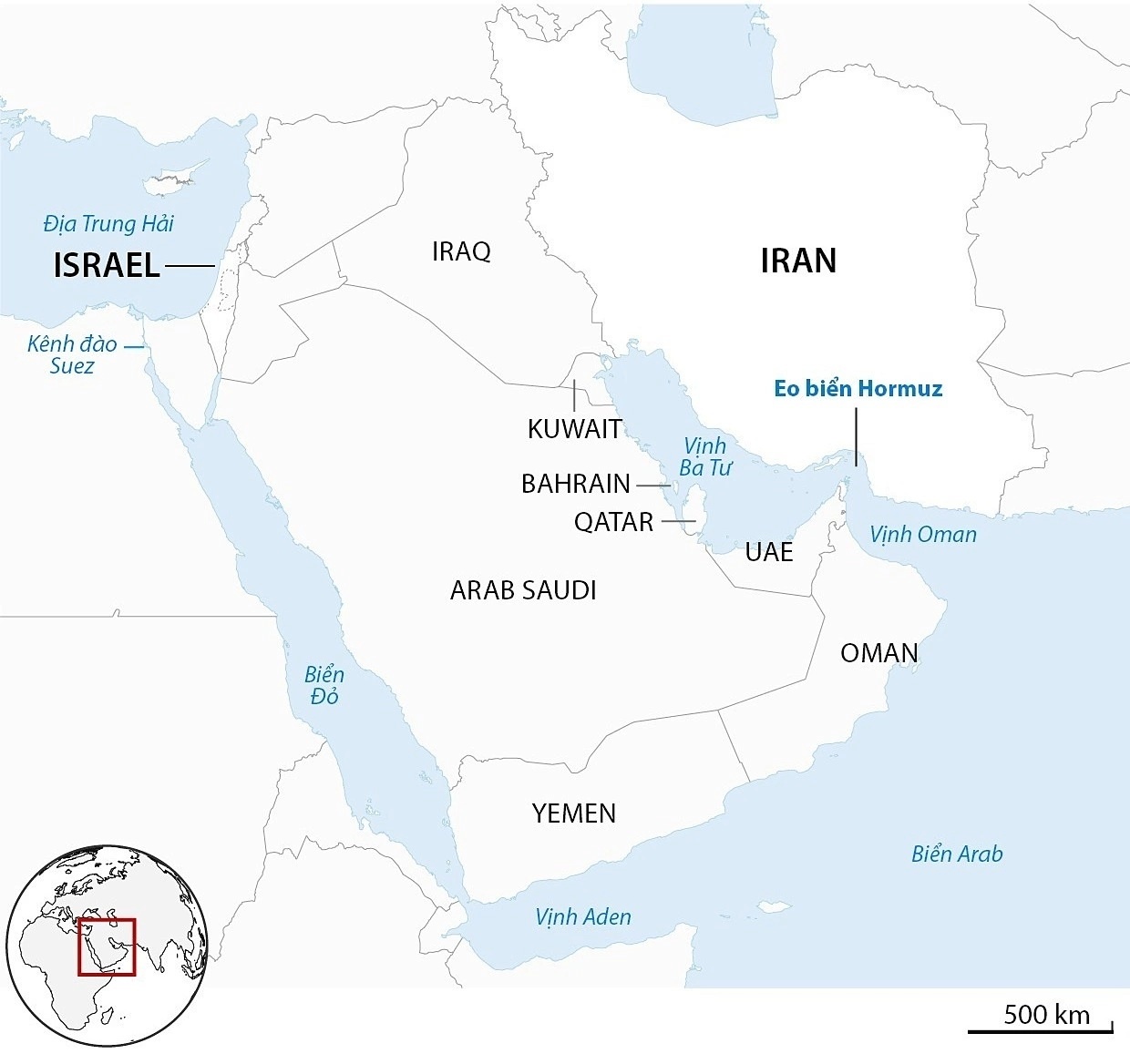 |
Location of the Strait of Hormuz and the Red Sea. Graphics: Guardian
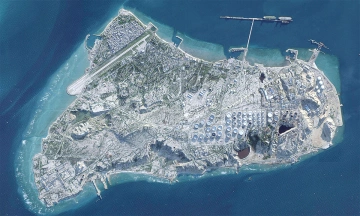
Iran on 25/3 threatened to open a new front, targeting Red Sea shipping, if the US launches ground operations against the country. This warning came amid reports that the US recently deployed thousands of marines and paratroopers to the Middle East, sparking speculation that Washington might seize Iran's Kharg Island or secure the Strait of Hormuz.
Iranian Parliament Speaker Mohammad Bagher Ghalibaf on the same day warned of the possibility of "a country in the region supporting enemies to seize one of Iran's islands." He did not specify the country but affirmed Iran would relentlessly attack critical infrastructure in that nation in retaliation.
Nhu Tam (According to AFP, Reuters)