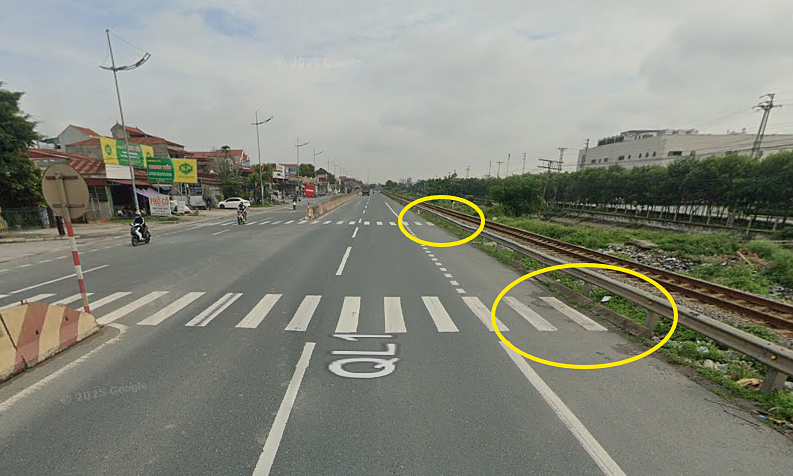
The Traffic Police Department has proposed that the outermost left lane on certain highways with two to three lanes per direction, meeting specific infrastructure requirements, be designated exclusively for passing. Under this proposal, after overtaking, drivers must return to the middle or right lane when it is safe. Authorities plan to use images from traffic surveillance camera systems and dashcams, provided by citizens via a hotline, the VNeTraffic application, or the Traffic Police Department's fanpage, to identify drivers continuously occupying the passing lane.
If implemented, this proposal will not only alter traffic organization but also compel many Vietnamese drivers to adjust long-standing habits formed while driving on highways.
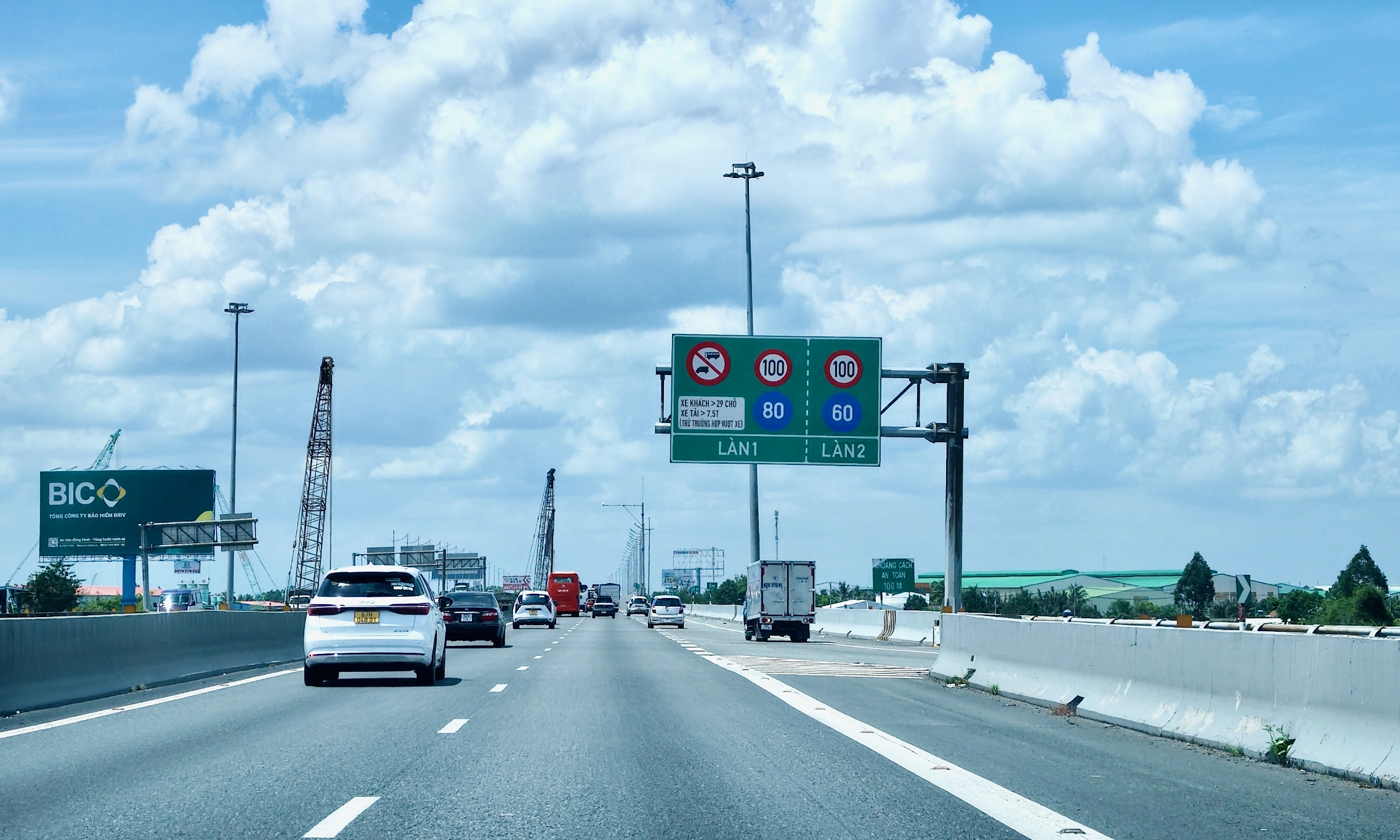 |
The Ho Chi Minh City - Trung Luong highway. Photo: Ho Tan. |
Do not continuously drive in the left lane
This marks the most significant shift in Vietnamese drivers' habits. Currently, many drivers select the left lane upon entering a highway and remain in it if their vehicle maintains close to the maximum allowed speed. The Traffic Police Department's proposal suggests this practice will become unsuitable if the dedicated left passing lane is adopted. Consequently, drivers should only move to the left lane when needing to overtake a vehicle ahead. After completing the pass, they must return to the middle or right lane when it is safe. Yielding the passing lane allows following vehicles to use it, preventing them from slowing down or attempting to pass on the right.
Maintain distance to create space for merging
The implementation of a passing lane also necessitates vehicles maintaining an appropriate following distance. If vehicles in the middle lane drive too closely, a vehicle that has just completed a pass will struggle to find space to merge back. This could force vehicles to remain in the left lane longer than necessary. Similarly, when a vehicle ahead is passing, drivers should not tailgate to follow suit. Instead, drivers should maintain a safe distance, wait for the vehicle ahead to complete its pass and return to the middle or right lane, and only then proceed to enter the passing lane. This approach ensures orderly and safer traffic flow in the passing lane.
Observe following vehicles and actively yield the lane
Beyond observing vehicles ahead, drivers will need to pay closer attention to vehicles behind them. When preparing to pass, drivers must assess the speed and distance of approaching vehicles from the rear to choose an appropriate time to change lanes. After completing a pass, drivers should actively return to the left lane when it is safe, especially if a vehicle behind wants to pass. This habit helps keep the passing lane clear and reduces the risk of vehicles having to switch to other lanes to overtake.
Limit passing on the right
A common highway scenario involves a vehicle continuously driving in the left lane, forcing following vehicles to move to the middle or right lane to pass. Passing on the right increases lane changes, demanding drivers observe multiple directions simultaneously. This can create conflicts with vehicles already in the right lane or those intending to change lanes. This is a factor contributing to a higher risk of collisions on highways. Drivers should only consider passing on the right in situations with heavy traffic, slow movement, or when changing to the passing lane is not feasible due to traffic conditions. Under normal traffic conditions, passing should be done via the designated passing lane, adhering to its intended function.
Ho Tan