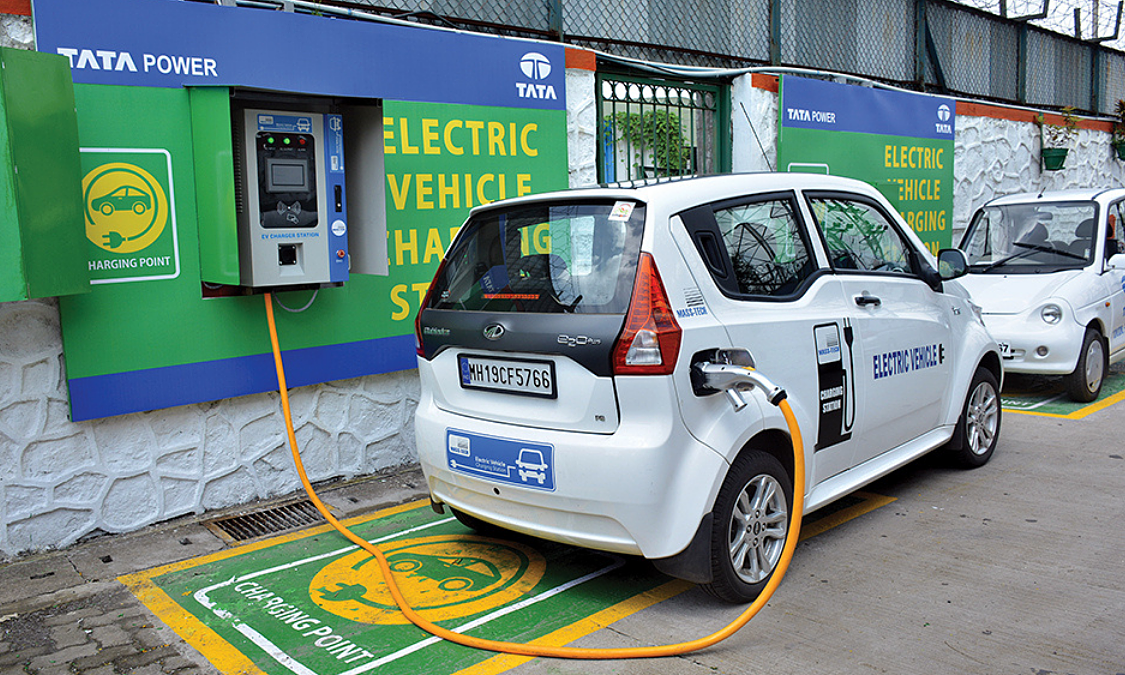
Rising ambient temperatures put significant stress on numerous car components. Both internal combustion vehicles and electric vehicles are considerably affected when operating in prolonged hot weather.
Batteries, auxiliary batteries
In internal combustion engine vehicles, the battery is notably affected by rising ambient temperatures. Prolonged hot weather accelerates electrolyte evaporation and internal chemical reactions, leading to plate corrosion and reduced charge retention. This makes the battery prone to weakening, especially after extended exposure to direct sunlight or frequent starts in high temperatures.
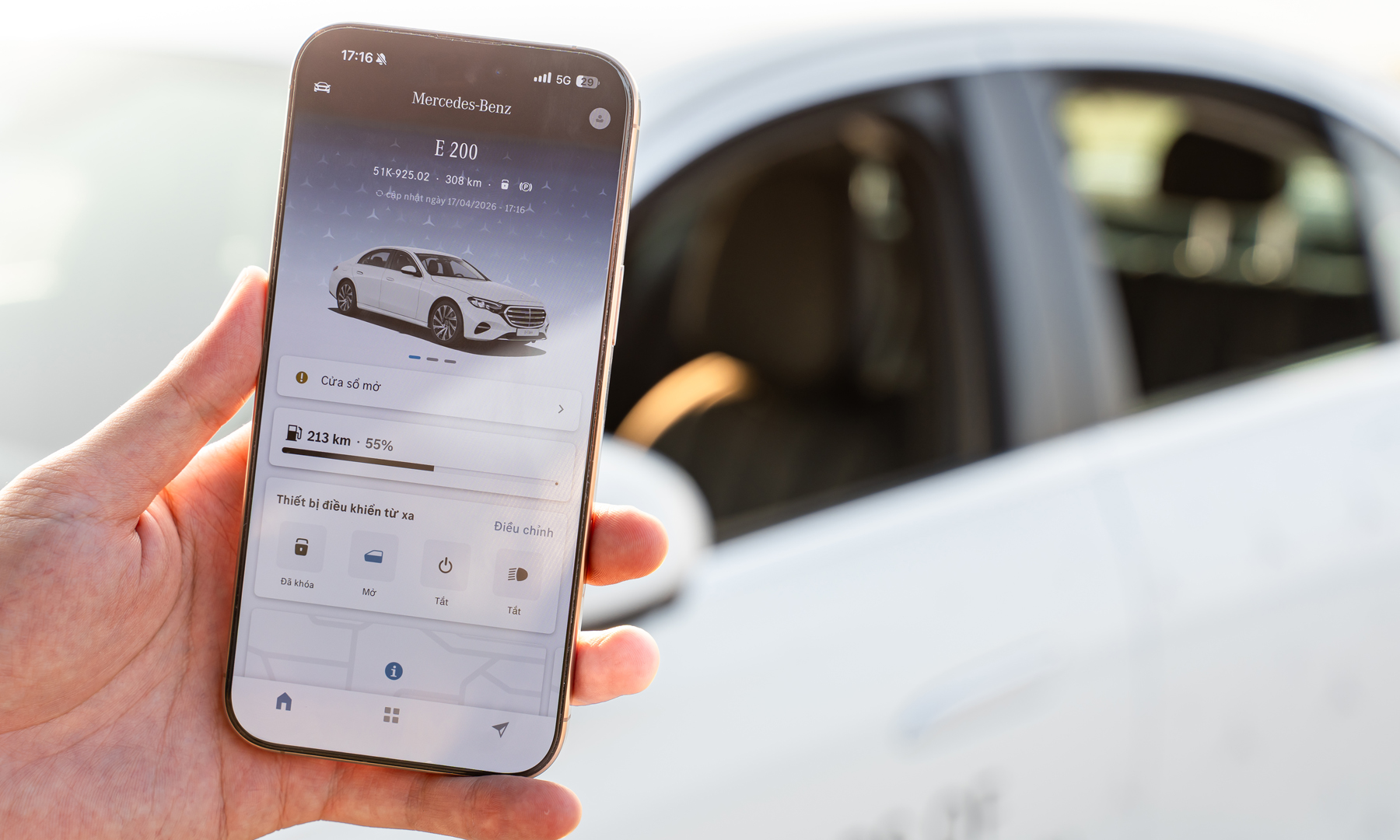
Electric vehicles, while not using a traditional battery to start the main motor, rely on a 12V auxiliary battery to power control systems, door locks, displays, and activate the main system. This auxiliary battery is also sensitive to high temperatures; if it weakens, the vehicle may fail to start its systems, even if the main battery retains charge.
Tires
Tires, being in direct contact with the road, are significantly impacted by high summer temperatures. As ambient temperatures rise, the air inside the tires expands, increasing tire pressure. Concurrently, road surfaces can reach 50,60°C, accelerating rubber aging and reducing elasticity and durability.
For electric vehicles, tire stress is even greater due to their heavier weight compared to gasoline cars and high instantaneous torque. This leads to faster tire wear and increased heat generation during operation.
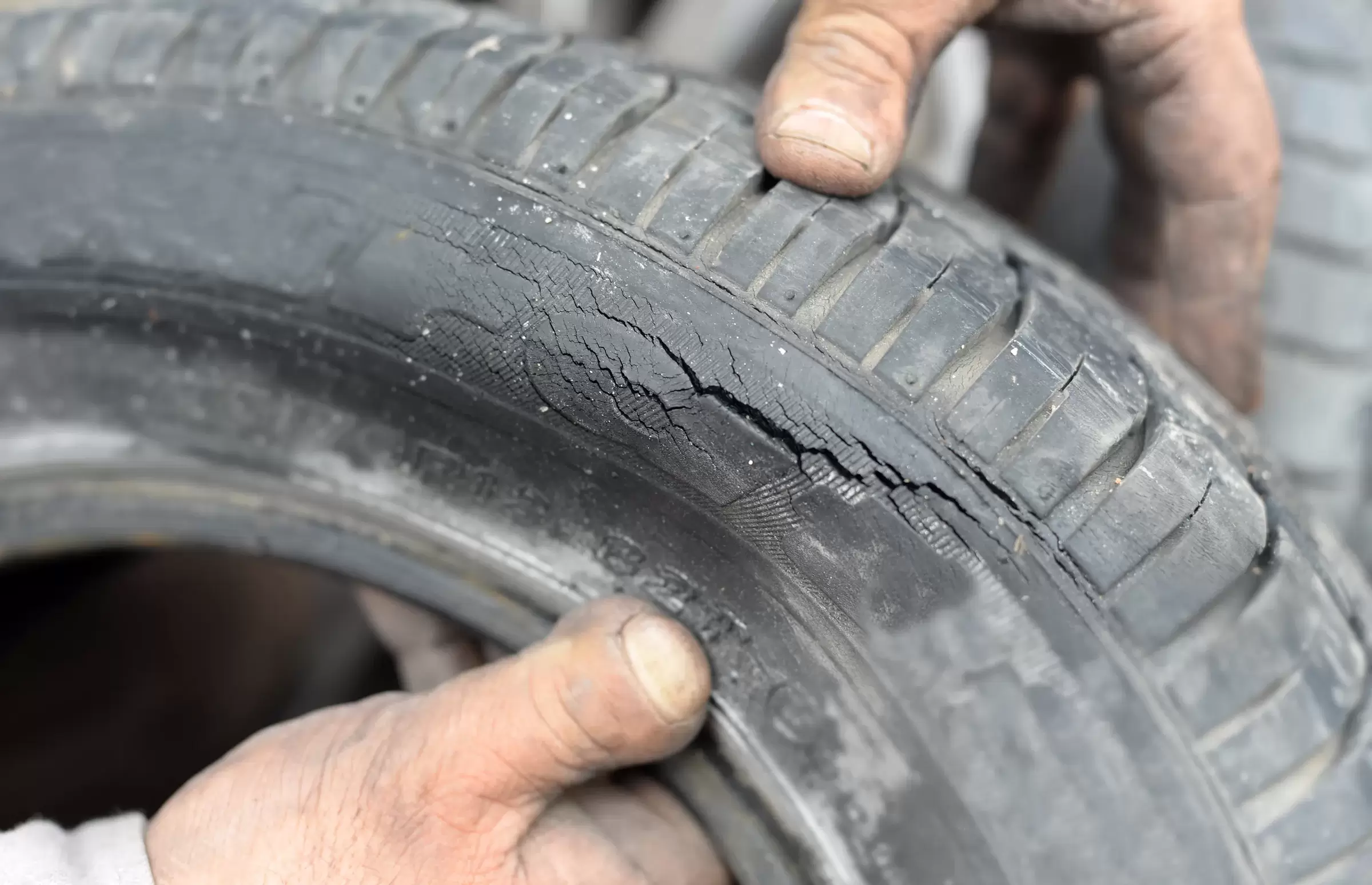 |
Tires age prematurely and can crack easily if parked in direct sunlight for extended periods. Driving |
Tires age prematurely and can crack easily if parked in direct sunlight for extended periods. Driving
Cooling system
In internal combustion engine vehicles, the cooling system (comprising the radiator, cooling fan, water pump, and coolant) must work much harder as ambient temperatures rise. Hot weather reduces natural heat dissipation, while the engine continues to generate significant heat during operation, especially on long drives or in traffic jams. If coolant levels are low, if it contains sludge, or if the radiator is clogged, cooling efficiency will decline sharply, leading to overheating.
For electric vehicles, the cooling system not only serves the electric motor but also plays a crucial role in battery temperature management. Lithium-ion batteries operate most efficiently within a specific temperature range; exceeding this threshold forces the system to reduce power output to protect the battery, resulting in reduced vehicle performance or limited fast-charging capability. Should the cooling system malfunction, the battery could overheat, directly impacting its lifespan and safety.
Air conditioning
During hot seasons, the air conditioning system often operates continuously at high capacity to maintain cabin temperature. This puts significant strain on components such as the compressor, condenser, evaporator, and refrigerant system. When ambient temperatures rise, the condenser's heat dissipation capacity decreases, reducing cooling efficiency. If the system is low on refrigerant due to leaks from cracked hoses, a dirty cabin air filter, or a dusty evaporator, the air conditioning may cool poorly, or even blow warm air after some use.
Beyond comfort, air conditioning directly impacts vehicle performance. In gasoline cars, powerful air conditioning increases fuel consumption; in electric vehicles, it can significantly reduce the driving range per charge.
Engine oil
Engine oil must operate in higher-than-normal temperatures, leading to rapid viscosity reduction and diminished lubrication. When oil thins, the protective film between metal components becomes less effective, increasing friction and the risk of engine wear. Additionally, high temperatures accelerate oxidation, causing the oil to degrade quickly and accumulate sludge.
Electric vehicle battery
The battery pack in an electric vehicle is particularly sensitive to ambient temperatures. Operating in prolonged hot weather causes battery temperatures to rise, reducing performance and forcing the system to limit power output for protection. This can result in reduced vehicle power, slower charging, and a shorter actual driving range. Long-term, high temperatures also accelerate the chemical aging process within the battery, causing capacity to degrade faster than under normal operating conditions.
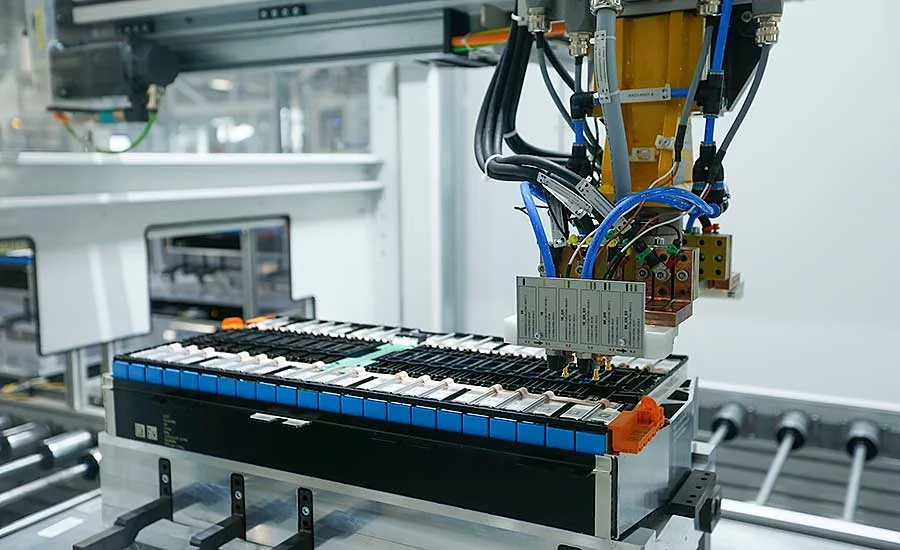 |
Electric vehicle battery packs are assembled by robots. BMW AG |
Electric vehicle battery packs are assembled by robots. BMW AG
To mitigate heat-related damage, car owners should proactively inspect and regularly maintain key components such as tires, batteries, cooling systems, air conditioning, engine oil, and check battery status to detect early signs of issues. Additionally, owners should avoid parking vehicles in direct, intense sunlight for extended periods, prioritizing shaded spots.
Ho Tan