BYD is not the only Chinese brand looking to enter Japan's electric kei-car market. Five companies, including Chery and Autobacs Seven, have formed a joint venture named EMT. The venture expects to launch its first model in 2027, priced comparably to gasoline-powered vehicles.
Headquartered in Yokohama, Kanagawa prefecture, south of Tokyo, the joint venture aims to introduce four models under the EMTA brand by 2029 and expand into overseas markets.
The name EMTA, an acronym for "Easy, Made To All", aims to address the specific needs of the Japanese market. These include navigating narrow roads and alleviating concerns about vehicle range during long journeys.
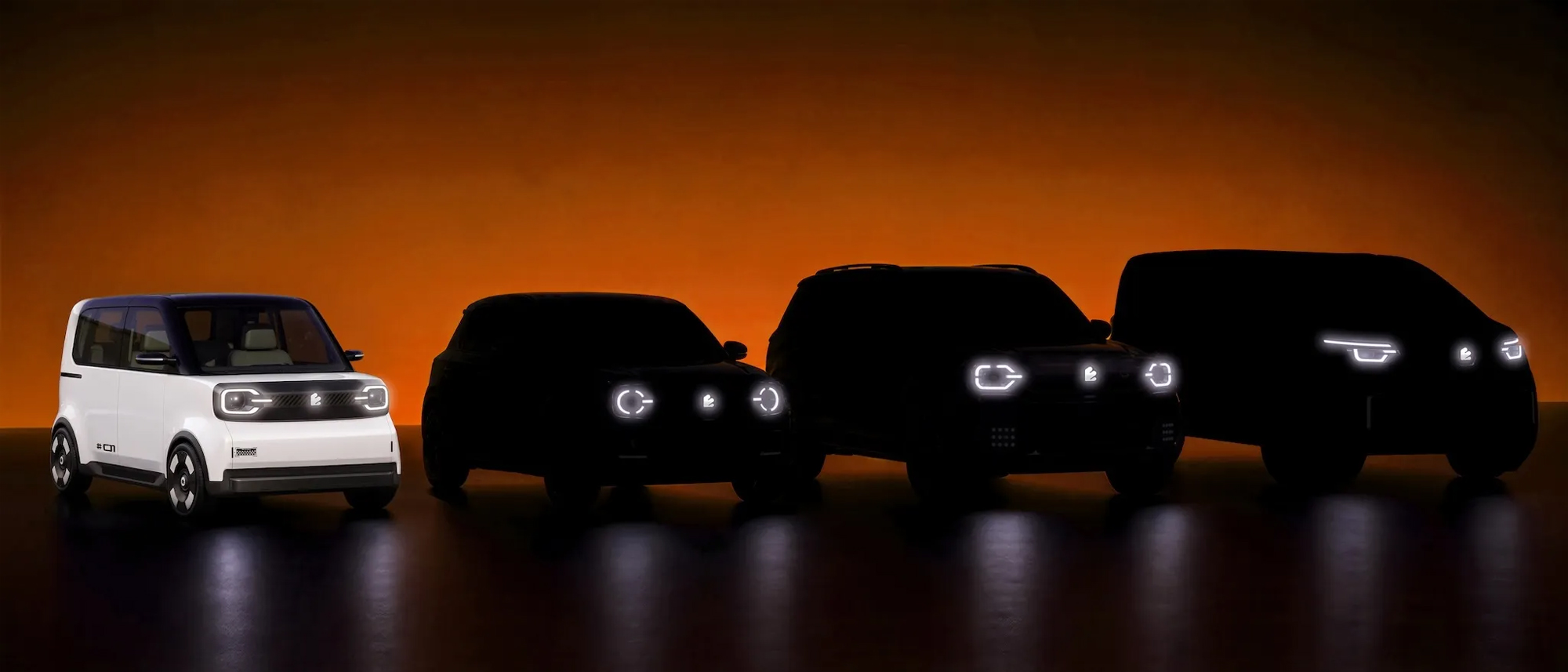 |
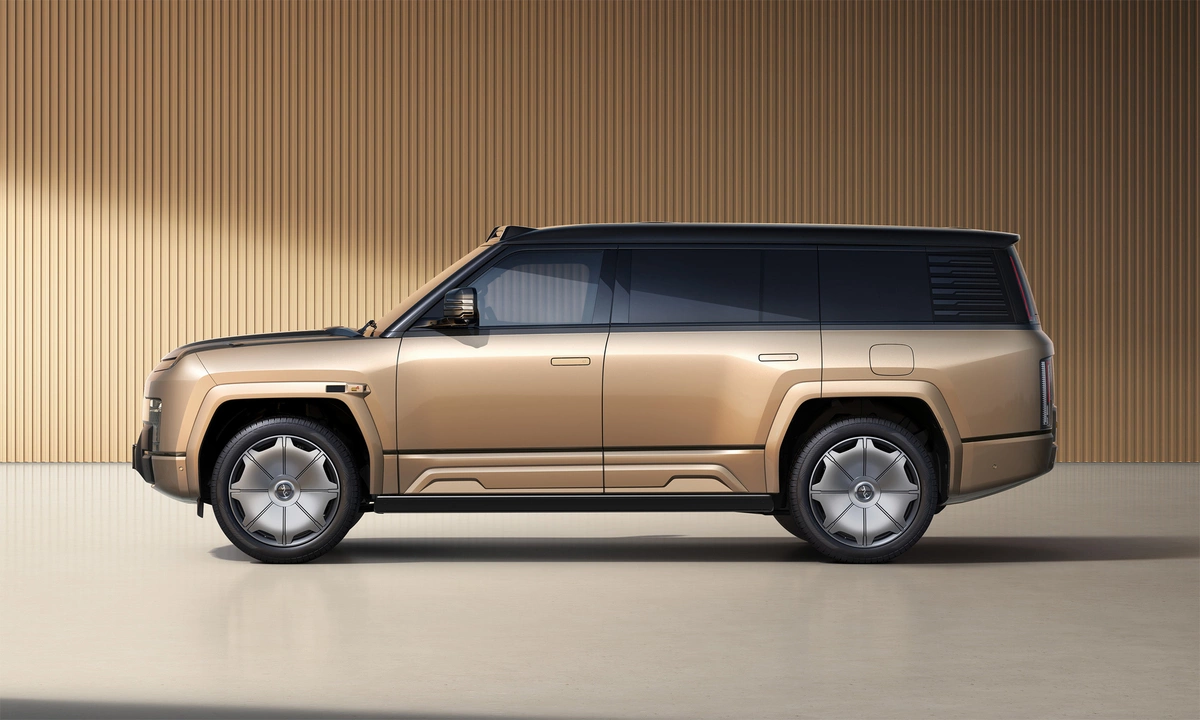
EMTA expects four models to launch by 2029. Photo: EMT
He Xiaoqing, CEO of EMT, brings over 40 years of experience in the automotive industry, having worked with major brands such as Ford, SAIC, and Chery.
By combining advanced Chinese technology with a team deeply familiar with the Japanese market, EMTA promises to deliver what it calls "Magic Every Day", representing a significant breakthrough from the ordinary.
This "Magic" is created through four core technologies: Magic SDV, Magic Sync, Magic EV, and Magic Drive.
Magic SDV, or software-defined vehicle, serves as the comprehensive platform that will continually improve over time through over-the-air updates. Magic Sync is an in-car connectivity technology that allows direct adjustment of vehicle settings from a smartphone.
To meet Japan's kei-car standards for electric vehicles, EMTA developed a dedicated platform featuring an advanced e-axle. Finally, Magic Drive is a level 2 advanced driver assistance system.
Approximately 33% of new cars sold in Japan are kei-cars, yet gasoline models like the Honda N-Box still dominate the market. Both BYD and EMT are seeking to capitalize on this opportunity with electric vehicle options.
My Anh (according to Nippon, Electrek)