Bill Ford, Chairman of Ford's board of directors, anticipates that Chinese automakers will eventually appear in US showrooms. The great-grandson of the company's founder, Henry Ford, argues that the domestic auto industry must embrace competition rather than solely depend on trade barriers. Currently, Chinese cars have accessed the Canadian and Mexican markets but are still blocked from entering the US.
The US currently uses tariffs and legal regulations to maintain distance from Chinese manufacturers. However, according to Ford, this protection is unlikely to last indefinitely, and Detroit, the capital of the US auto industry, needs to prepare for the day direct rivals flood in.
Speaking at an Axios event in Washington, Ford emphasized that the US auto industry should not assume Chinese brands will be permanently banned. Instead, they need to develop products capable of directly confronting rivals making rapid progress from the Asian nation.
"We have to compete head-on with China. We cannot expect to stop them forever. We have to beat them at their own game," he stated, according to sources from the Wall Street Journal.
Despite this, US lawmakers are still considering bills aimed at closing the door to Chinese cars. Ford himself has publicly supported these efforts to protect domestic manufacturing. Chinese automakers are gaining ground in many international markets where US firms operate, due to increasingly sophisticated technology and competitive pricing.
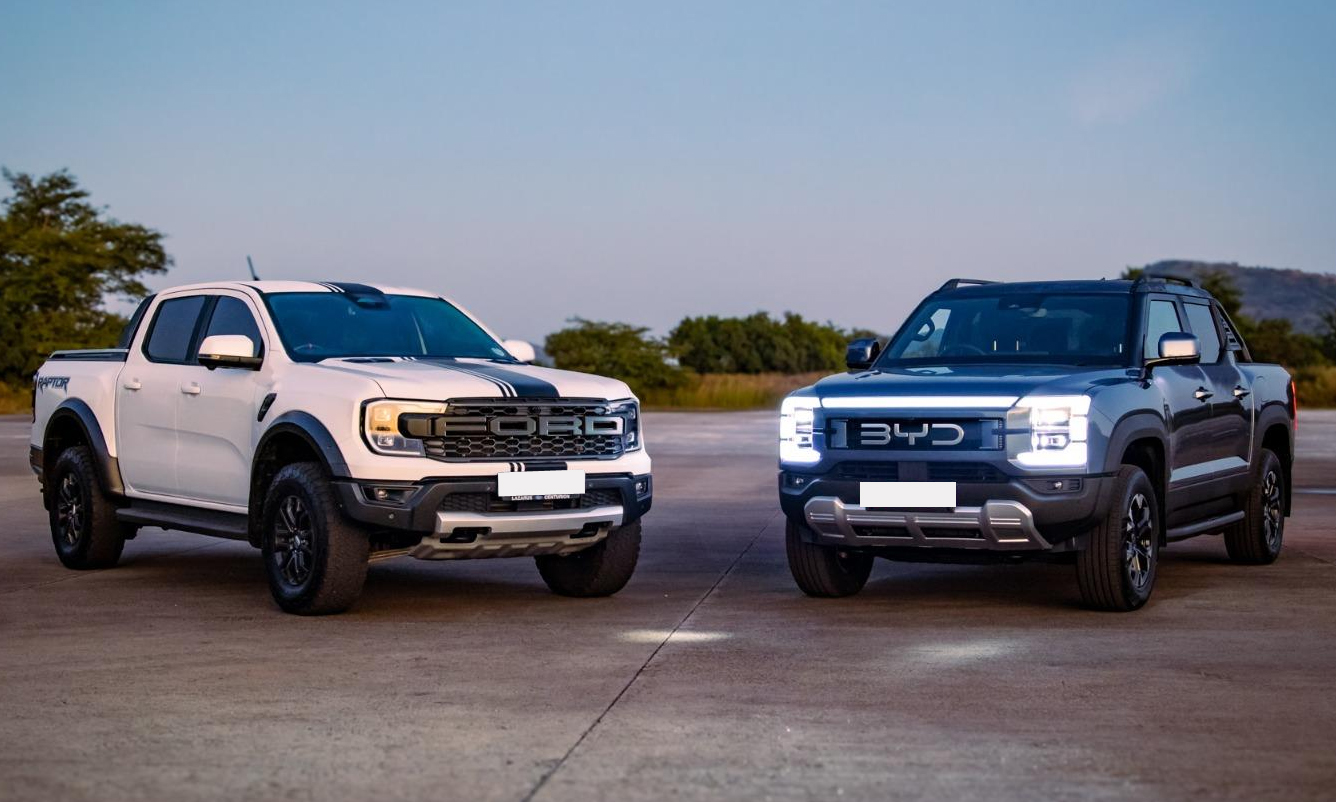 |
Ford Ranger and BYD Shark 6 are two rivals in some global markets. Photo: Auto Trader
Even without an official presence in the US, Chinese automakers have begun to influence Detroit's strategy. Ford is preparing to launch an affordable electric pickup truck, anticipated to cost around 30,000 USD in 2027. This model incorporates new manufacturing techniques such as gigacasting and simplified wiring systems to reduce costs and boost efficiency.
Furthermore, Ford also called on the US to establish a more consistent and long-term industrial strategy. Investments in the auto industry often take years to plan and execute, creating a misalignment with short-term political cycles.
"Our product development timelines are longer than politicians' terms," Ford shared.
In April, Ford CEO Jim Farley stated that the US government and the American auto industry are at a critical juncture in history and must act cautiously before allowing Chinese automakers to sell vehicles in the US market.
"My view is not against anyone, but in favor of a strong American auto industry, a solid industrial base, and we really have to figure out our policies – both company policy and government policy – because the stakes are very high at this time," Farley said.
Chinese automakers such as BYD, Geely, and Chery, among others, have saturated the Chinese market and need to sell in other markets to grow. Many companies have increased global exports in recent years and are rapidly gaining market share in other countries. According to the China Passenger Car Association, exports of electric and hybrid vehicles from Chinese automakers reached approximately 877,000 units in June.
Chinese automakers have been selling vehicles in Mexico for many years, and Chinese vehicles account for 20% of total light vehicle sales there. As the Detroit Free Press reported in January, Canada will also soon allow a limited number of Chinese vehicles to be sold in the country.
Whether products from Chinese brands – such as the BYD Shark 6 electric pickup, which is achieving significant success in Australia – can gain market share in the US remains a question. Nevertheless, leaders like Bill Ford believe preparing for that scenario is more realistic than pretending it will never happen.
My Anh