The question, "Why isn't my electric or hybrid vehicle's range matching its advertised claims?", is common among owners. This discrepancy can partly be attributed to the controlled conditions of official range tests and some marketing tactics.
Beyond marketing, another key reason electric vehicles (EVs) with a 300-mile (482 km) range or plug-in hybrid electric vehicles (PHEVs) with an 800-mile (1.287 km) range often fall short of advertised figures is their sensitivity to extreme temperatures. EVs and hybrids perform less efficiently in very hot or very cold conditions. These findings come from the American Automobile Association (AAA), which expanded and updated its research initiated in 2019.
The AAA evaluated the performance of three electric vehicles and three hybrid vehicles. The EV models tested were the 2025 Chevrolet Equinox EV FWD, 2025 Ford Mustang Mach-E AWD, and 2025 Tesla Model Y RWD. The hybrid models included the 2026 Honda CR-V Hybrid AWD, 2025 Toyota Prius Hybrid FWD Nightshade, and 2025 Hyundai Tucson Blue Hybrid AWD.
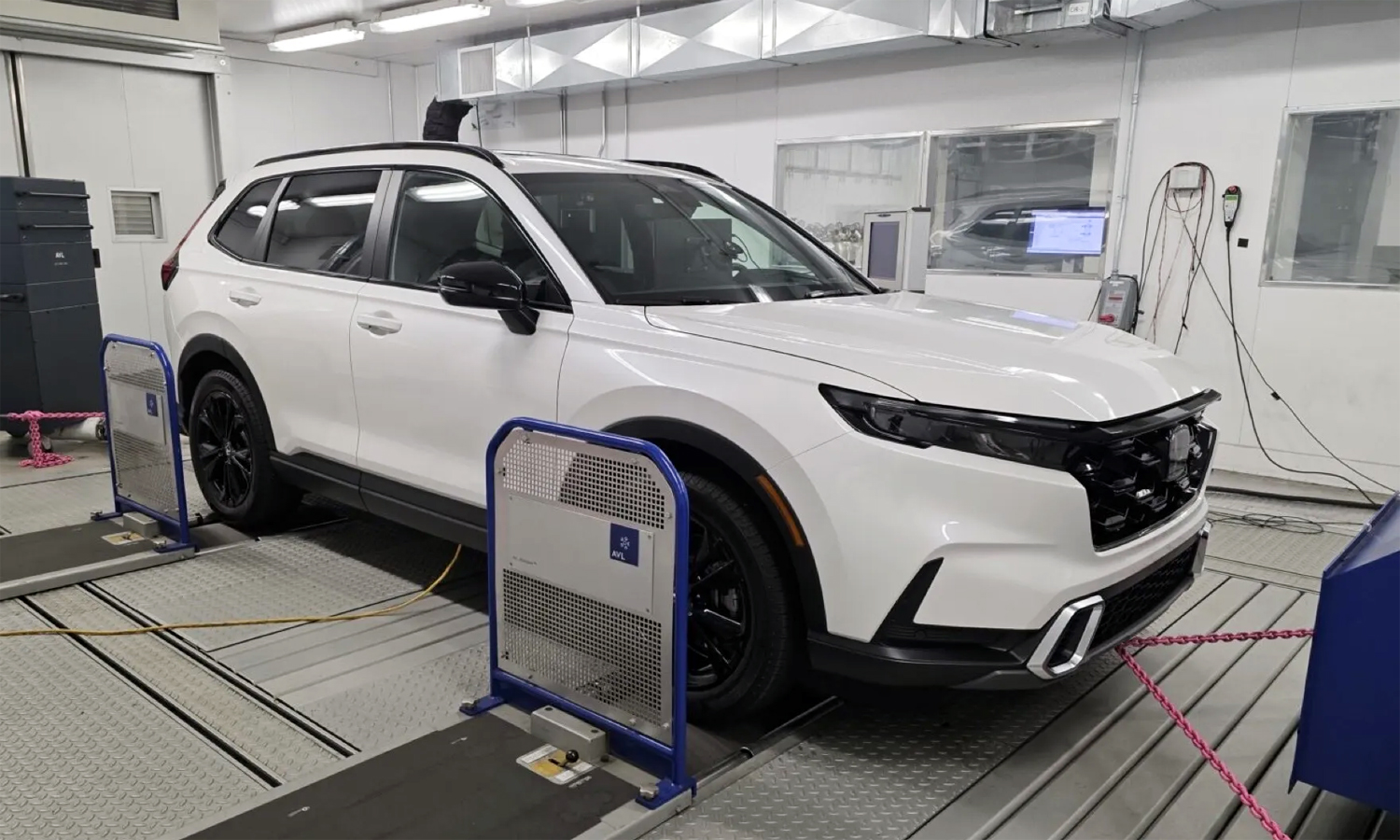 |
Honda CR-V Hybrid during testing. *Photo: AAA* |
The tests were conducted using a dynamometer, essentially a treadmill for cars. Vehicle cabin temperatures were maintained at 72 degrees F (21 degrees C), while ambient temperatures in the test chamber were varied: 20 degrees F (-6,7 degrees C), 75 degrees F (23,9 degrees C), and 95 degrees F (35 degrees C).
In high temperatures (35 degrees C), hybrid vehicles experienced a 12% drop in fuel efficiency. Electric vehicles saw a 10,4% reduction in efficiency and an 8,5% decrease in range compared to the baseline temperature (23,9 degrees C).
The impact was more severe in extremely low temperatures (-6,7 degrees C). Hybrid vehicles' fuel efficiency dropped by 22,8%. Electric vehicles' efficiency fell by nearly 35,6%, resulting in a 39% loss of range compared to baseline conditions.
In low temperatures, electric vehicles saved about 36 USD per 1.000 miles (1.609 km) compared to hybrids when charged at home. However, they cost 86 USD more when using public charging stations.
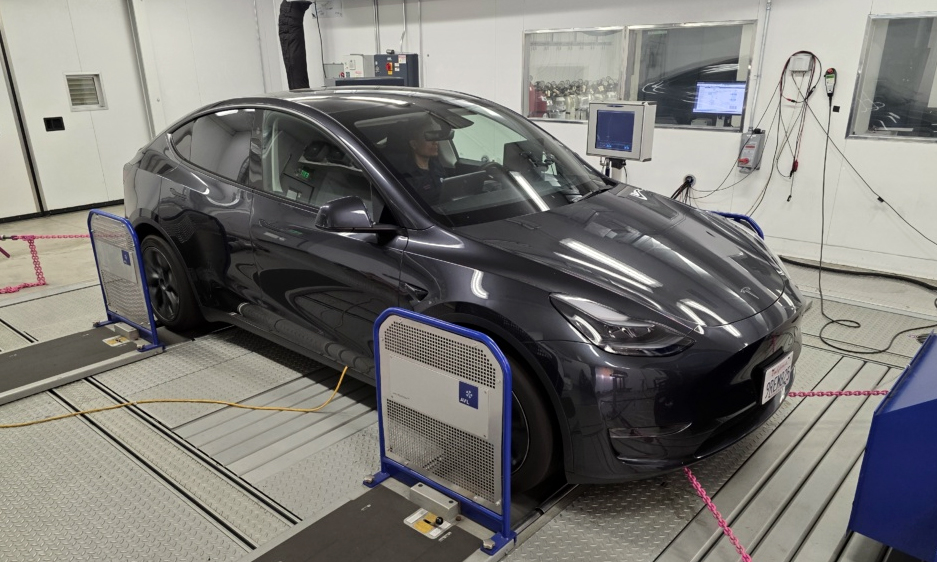 |
Tesla Model Y electric vehicle during testing. *Photo: AAA* |
In high temperatures, electric vehicles saved about 46 USD compared to hybrids when charging at home but were 41 USD more expensive at public charging stations.
Electric vehicle owners are advised to plan for additional charging stops in extreme temperatures. Pre-warming the cabin before charging and reducing seat and steering wheel heating can help extend range.
Furthermore, both EV and hybrid owners should be aware that operating costs fluctuate seasonally. The AAA's cost calculator tool can help estimate total vehicle ownership expenses.
A previous AAA survey indicated that 35% of US adults are likely to purchase a hybrid vehicle next, primarily to alleviate range anxiety. Consumers interested in electric vehicles, conversely, cited lower fuel costs, reduced environmental impact, and lower maintenance costs as key benefits.
My Anh