China's increased requirement for plug-in hybrid electric vehicles (PHEVs) to have a minimum pure electric driving range to qualify for tax incentives, effective from 1/1, has brought significant shifts to the market. Many luxury PHEV models from European brands, designed with smaller batteries and shorter ranges, are no longer competitive.
Meanwhile, Chinese brands responded swiftly to the new regulation by introducing PHEV models with operating ranges far exceeding the 100 km threshold. Some models, such as the hybrid version of the Lotus Eletre, even boast an electric range of up to 420 km under the CLTC test cycle.
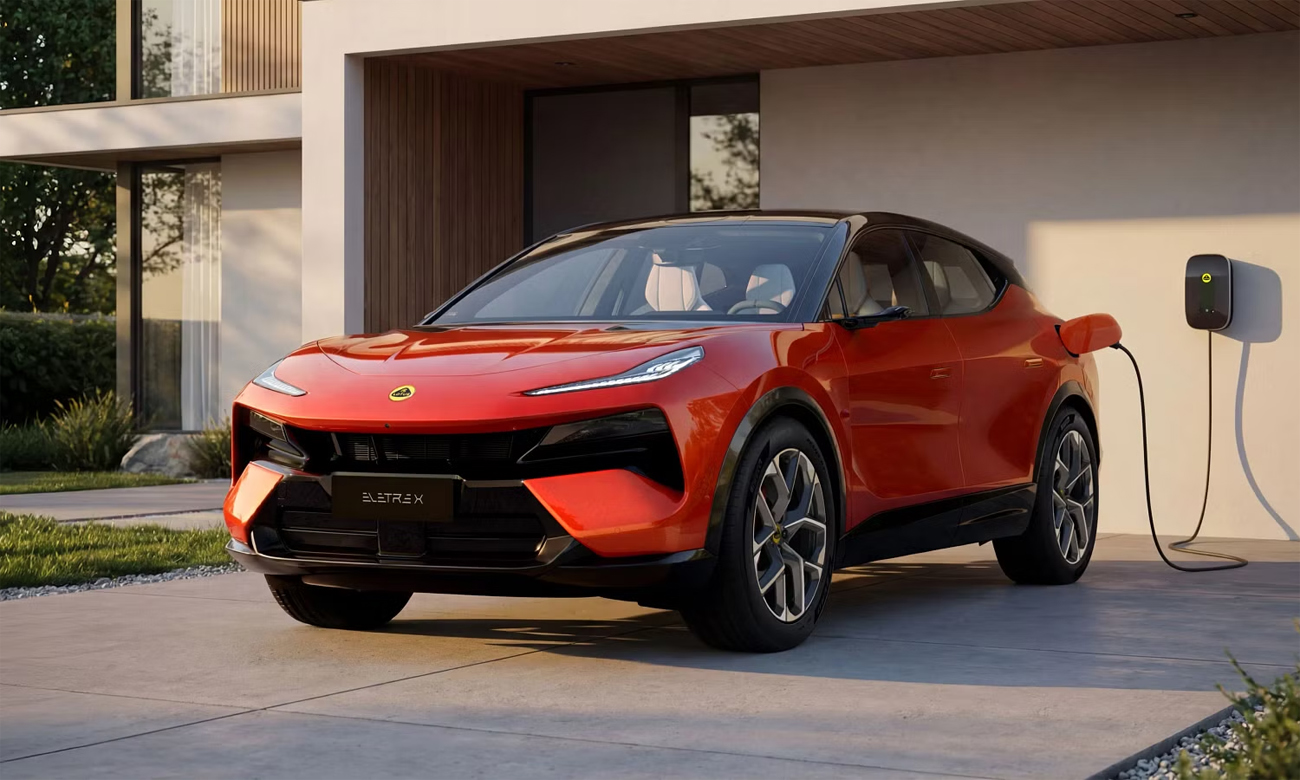 |
Eletre X - the PHEV version of the high-performance electric vehicle Eletre. Photo: Lotus
This strategy has allowed domestic manufacturers to dominate the segment and attract consumers seeking extended pure electric driving experiences. Their approach often involves developing hybrid vehicles directly from electric vehicle platforms, rather than adapting them from traditional gasoline vehicles, which provides a technological advantage.
The impact of this trend extends beyond China. Chinese PHEV models with extended ranges are now entering the European market, challenging traditional automakers there to revise their strategies on their home turf.
Regulatory changes extend beyond electric range; authorities are also tightening efficiency requirements for vehicles operating solely on gasoline. This is a disadvantage for PHEVs that often feature V8 internal combustion engines. These shifts have created an environment where many older generation plug-in hybrid models, still popular and tax-incentivized in Europe, are suddenly becoming obsolete.
This shift is significantly impacting the market, according to Auto News. Audi, BMW, Mercedes, Jaguar Land Rover, and other brands have significantly reduced or entirely phased out their plug-in hybrid models in China. Models that once qualified for incentives no longer meet the latest requirements, making them far less appealing to buyers.
In the near future, European brand models could also become less appealing in their home markets. Chinese brands like Lynk & Co have begun exporting their 08 extended-range plug-in hybrid SUV to Europe, and Volvo's new XC70, owned by Geely, with a 180 km range, will also enter the market.
In the long term, sustained export growth from Chinese brands, exemplified by the export boom of BYD and Chery, could reshape hybrid vehicle market dynamics globally, influencing technology adoption and policy trends.
My Anh