Last week, an upgraded Mercedes-AMG GT test vehicle unexpectedly burst into flames during a trial run in Spain, resulting in a costly setback for the development program. Video footage captured the camouflaged coupe fully engulfed in fire, with dense black smoke rising. Fortunately, no one was injured in the incident.
The incident occurred in the Sierra Nevada mountains, a location frequently utilized by automakers for hot weather performance testing. The individual who recorded the video stated that the fire originated from the rear of the vehicle before rapidly spreading. By the time emergency services reached the scene, the AMG test prototype was completely destroyed.
The video's uploader speculated that the hybrid system's battery pack caused the blaze, noting that the vehicle's integrated fire suppression system failed to contain the flames. However, this claim remains unverified, and Mercedes has yet to issue an official statement regarding the incident's cause.
The upcoming upgraded AMG GT series is anticipated to retain its V8 engine options while introducing electrified powertrain variants, including models featuring Mercedes-AMG's e performance hybrid technology. It remains unconfirmed whether the vehicle that caught fire was one of these hybrid prototypes.
Autoblog reports that an examination of the scene revealed minimal damage to the vehicle's front section, whereas the rear bore the brunt of the fire. This observation potentially implicates the rear-mounted electrified components of the e performance plug-in hybrid system, though the precise cause of the fire remains unknown.
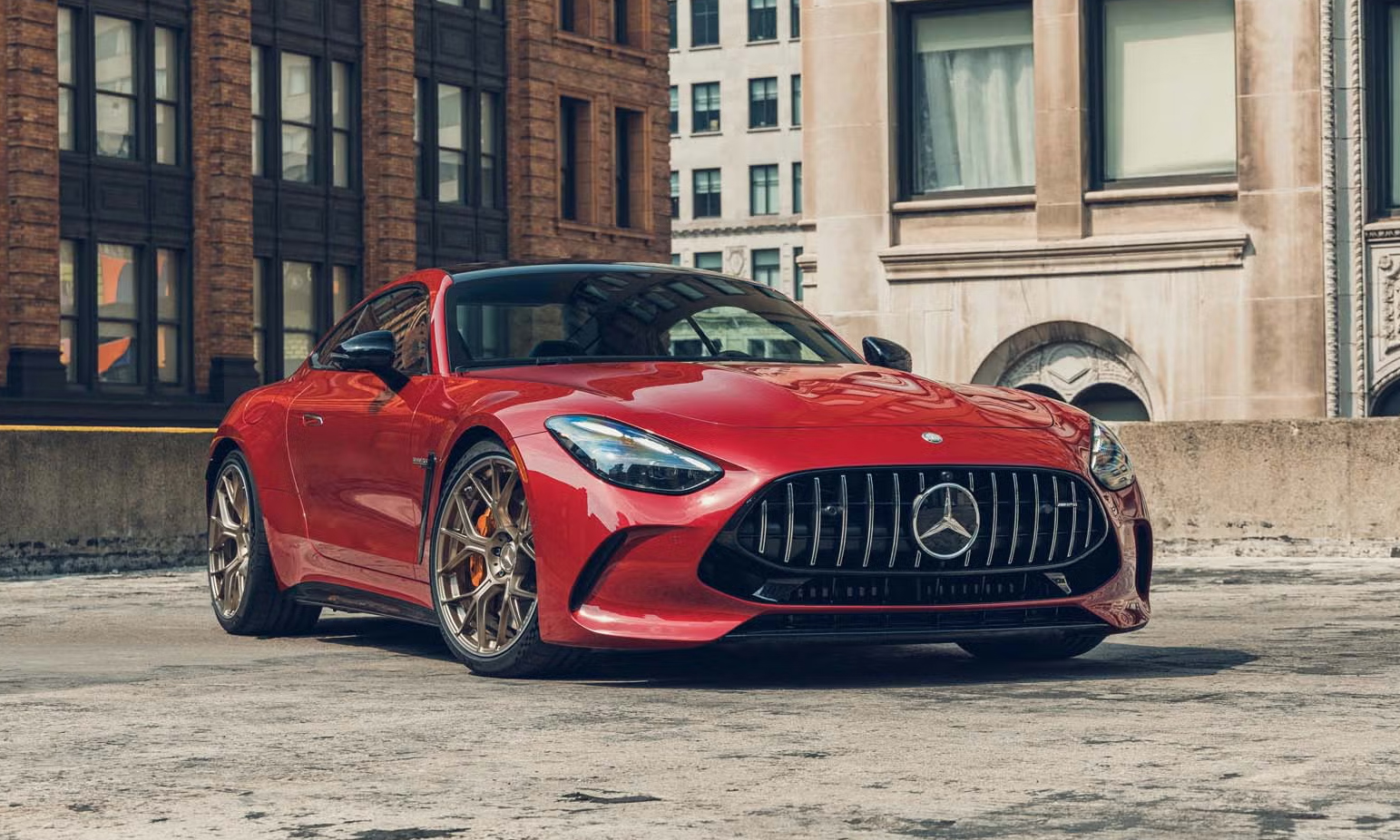 |
2026 model year Mercedes-AMG GT. *Photo: Car and Driver* |
This plug-in hybrid electric vehicle (PHEV) system integrates a lightweight AMG high-performance battery and an electric motor with a 4-liter twin-turbo V8 engine, collectively generating 805 horsepower. This configuration adds approximately 228 horsepower compared to a non-e performance GT 63 variant. While an increased number of components might suggest more potential failure points, this particular incident does not conclusively establish the hybrid system as the cause of the fire.
Furthermore, as a prototype, the German automaker may have been evaluating various components from multiple suppliers prior to production. The most fortunate outcome is that the damage was confined solely to the vehicle, with no harm to individuals or the environment.
My Anh