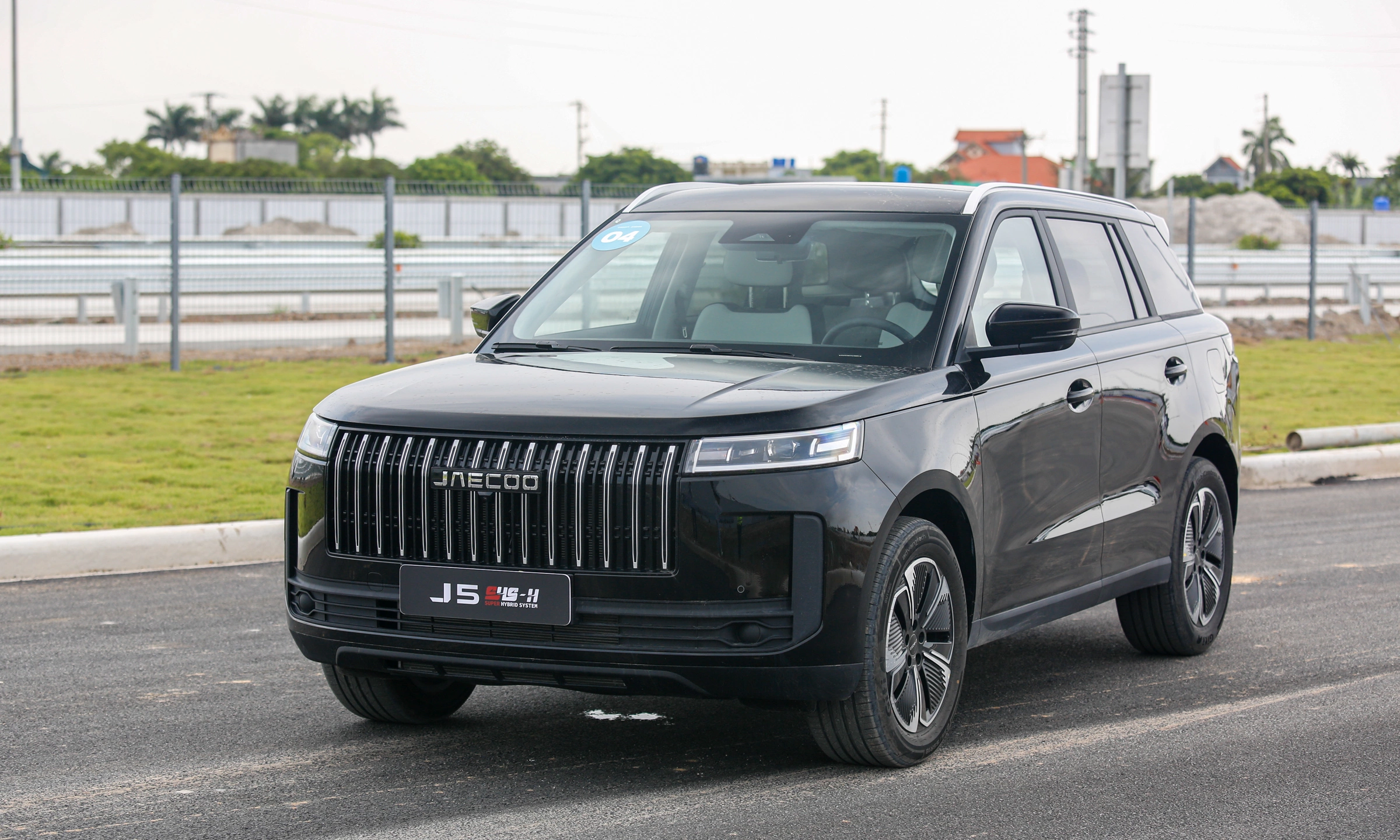
The National Highway Traffic Safety Administration (NHTSA) announced it will develop new regulations for "robust and readily identifiable vehicle egress systems" in all cars. This decision comes after numerous incidents where occupants were trapped after accidents, especially when electronic systems failed.
On 24/7, NHTSA rejected a petition to investigate about 180,000 2022 Tesla Model 3 vehicles. The petition alleged that the emergency release mechanism was difficult to identify after a collision if the car lost power, increasing the risk of occupants being trapped. NHTSA stated the petition lacked sufficient evidence of a safety defect to warrant an investigation.
Current US federal safety standards for car locks and latches do not specify the location or identification of emergency release mechanisms. However, NHTSA simultaneously approved a separate proposal to consider issuing regulations requiring all vehicles to have an emergency escape system. This aims to reduce the risk of occupants being trapped if the electrical system stops working.
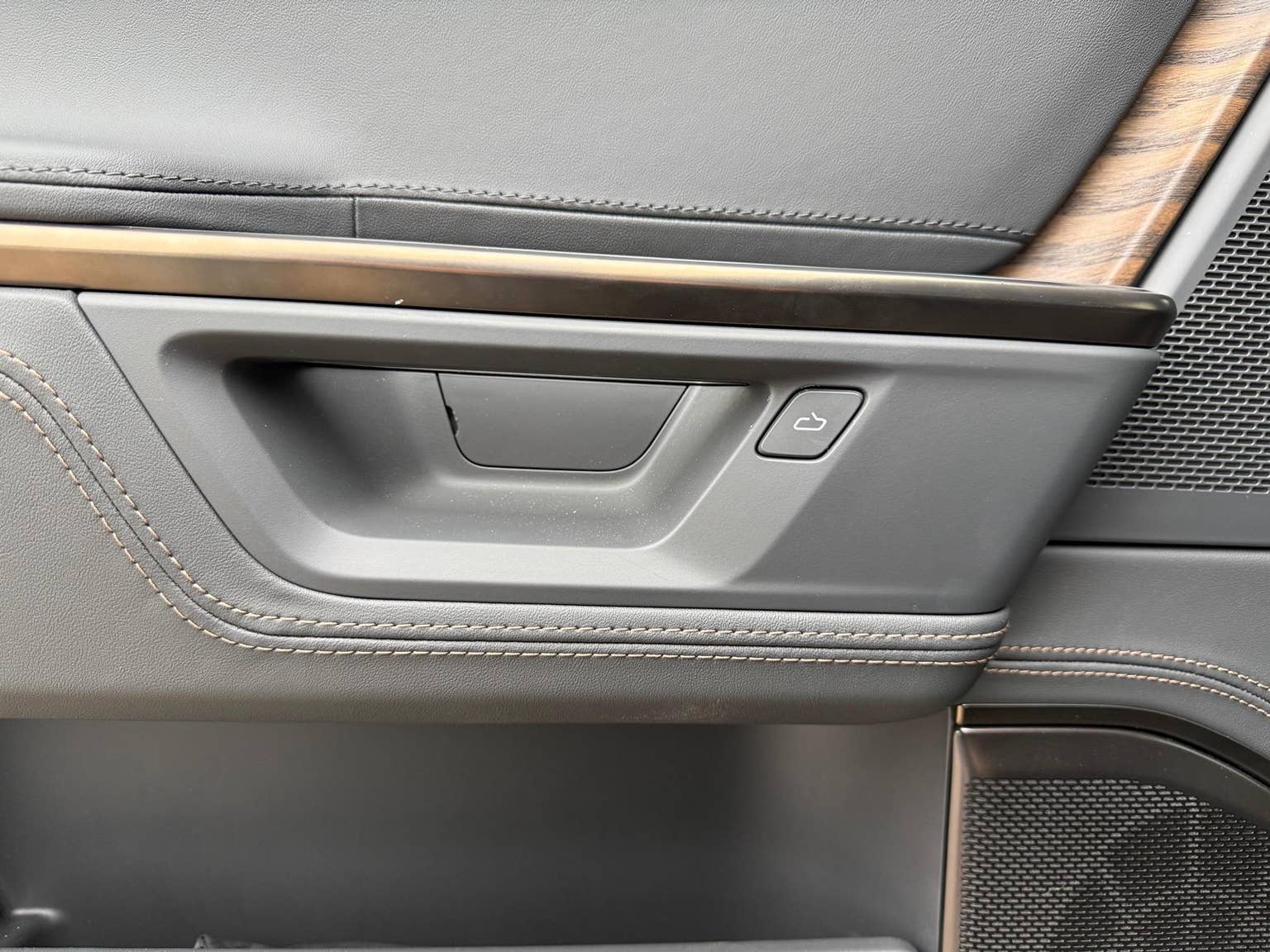 |
The emergency door release on a Rivian R1S model is located behind a plastic panel on the door sill. While passengers typically use electronic buttons to open the door, in case of an incident or power loss, they must use this mechanical emergency release. Photo: Rivian Forums |
The agency will gather more data, information, and public feedback before deciding on new safety standards. The rule-making process in the US often extends over many years. Tesla has not commented on NHTSA's decision.
Electronic door handles, particularly in Tesla vehicles, have been a focal point after accidents where occupants reportedly could not open doors to escape after power loss. These events have intensified calls for stricter safety standards for emergency door release systems. NHTSA recorded one consumer complaint concerning a 2022 Tesla Model 3, alleging the mechanical door release was hidden and unmarked after the car lost power in a head-on collision. This was the same vehicle referenced in the rejected petition.
Many recent accidents highlight passengers being trapped in vehicles after collisions or fires. This occurs because electronic door handles become inoperable, and many occupants are unaware of or cannot locate the backup mechanical release mechanisms, which are often hidden. For example, in new Rivian R1S and R1T vehicles, rear-seat passengers must remove a plastic trim panel to access the mechanical pull cable for emergency door opening.
Ho Tan (according to Reuters)