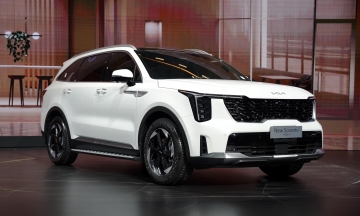
On 13/4, Chinese automaker Geely unveiled its i-HEV intelligent hybrid system, claiming a new Guinness World Record for fuel efficiency. The system recorded an impressive 2,22 liters/100 km in a highway test with a Geely Emgrand model, surpassing the previous record held by the Toyota Prius at 2,53 liters/100 km.
The i-HEV system integrates an artificial intelligence (AI)-based energy management platform. This platform analyzes real-time environmental conditions such as temperature, humidity, and altitude to optimize energy efficiency, according to Reuters.
Built on Geely's vehicle architecture platform, the system provides sufficient in-car computing power to enable functions like intelligent driving. Geely states this feature is not currently available on Japanese hybrid models, positioning the i-HEV as a comprehensive challenge to the dominance of Japanese full hybrid vehicles in both domestic and international markets.
This advanced system, with its powerful engine, enhanced electric operation, lower fuel consumption, and advanced intelligence, threatens one of the most lucrative segments for Japanese manufacturers, according to Yale Zhang, executive director at Automotive Foresight in Shanghai.
The i-HEV system employs a dedicated hybrid engine with a stated thermal efficiency of 48,4%, which Geely considers one of the highest in mass production. Its electric powertrain delivers 308 horsepower, enabling acceleration from 0-30 km/h in 1,84 seconds. The system is optimized for responsive performance at low urban speeds and efficient energy recovery.
Geely confirmed that the i-HEV system will be implemented in its flagship models, including the Preface (Xingrui), Monjaro (Xingyue L), Emgrand, and Boyue. Deployment is expected in 2026, marking an expansion of hybrid technology across Geely's entire mainstream vehicle lineup, according to CarNewsChina.
The system supports various dedicated hybrid engines, including 1.5L, 1.5TD, and 2.0TD versions, combined with an 11-in-1 electric drive unit.
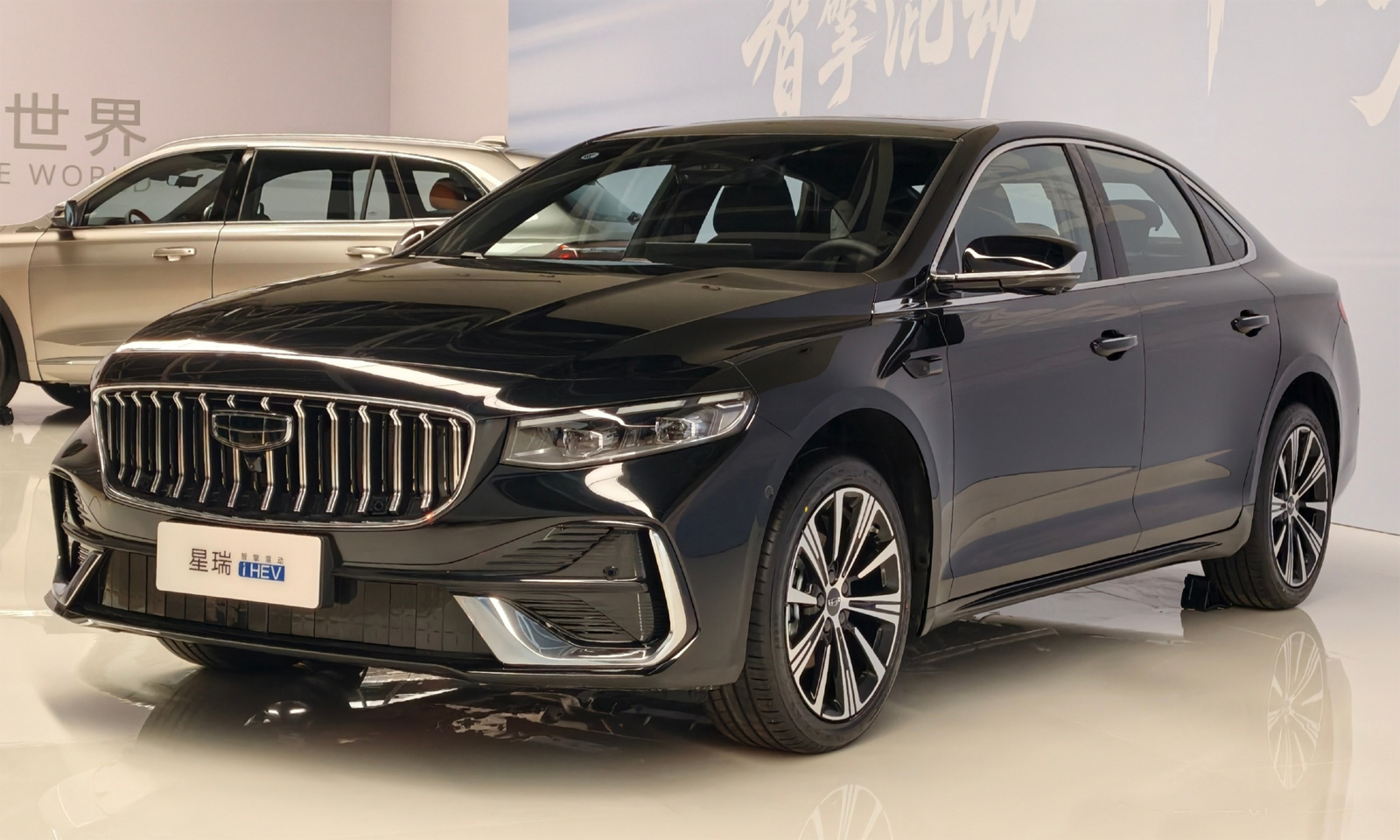 |
Monjaro (Xingyue L) model - one of the products equipped with Geely's i-HEV hybrid system. Photo: NMHEV
This product launch occurs amidst the development of hybrid vehicles in China. Automakers like Geely, Chery, and Changan are expanding their programs, with some targeting fuel consumption of approximately 2-3 liters/100 km under certain conditions.
Since Toyota launched the Prius in 1997, Japanese automakers have established a position in the global hybrid vehicle market, especially in regions with limited electricity supply and underdeveloped power grids.
However, China has focused on encouraging the development of plug-in hybrid vehicles, which use an electric motor as the primary power source, with a gasoline engine serving as a backup or generator. Hybrid vehicles typically use smaller batteries, about 1-2 kWh, significantly reducing raw material costs compared to the larger battery packs in plug-in hybrid electric vehicles or electric vehicles.
Globally, hybrid vehicles remain a segment. Toyota reported sales of approximately 4,4 million hybrid vehicles in 2025, accounting for about 42% of its total sales, indicating continued high demand across many markets.
Alongside hybrid vehicle development, Geely continues to advance alternative energy directions. The company chairman, Li Shufu, recently stated that methanol fuel has an energy density 10 times higher than lithium-ion batteries, suggesting potential advantages in vehicle weight and transportation efficiency.
He also linked battery weight to higher energy consumption in heavy transport situations, noting that battery electric vehicles are already widely used in China.
Geely has pursued methanol-powered vehicle technology for over two decades, supported by pilot programs and policy initiatives across many regions in China.
My Anh