


General Motors (GM), the largest US automaker, recently made headlines by announcing an approximately 6 billion USD charge to scale back its electric vehicle strategy. This latest move reflects a significant strategic shift in the traditional automotive industry amid market demand challenges and fluctuating government policies.
According to regulatory filings, this charge stems from reduced planned electric vehicle production and supply chain impacts. It comes weeks after rival Ford announced a similar plan, but with a much larger charge.
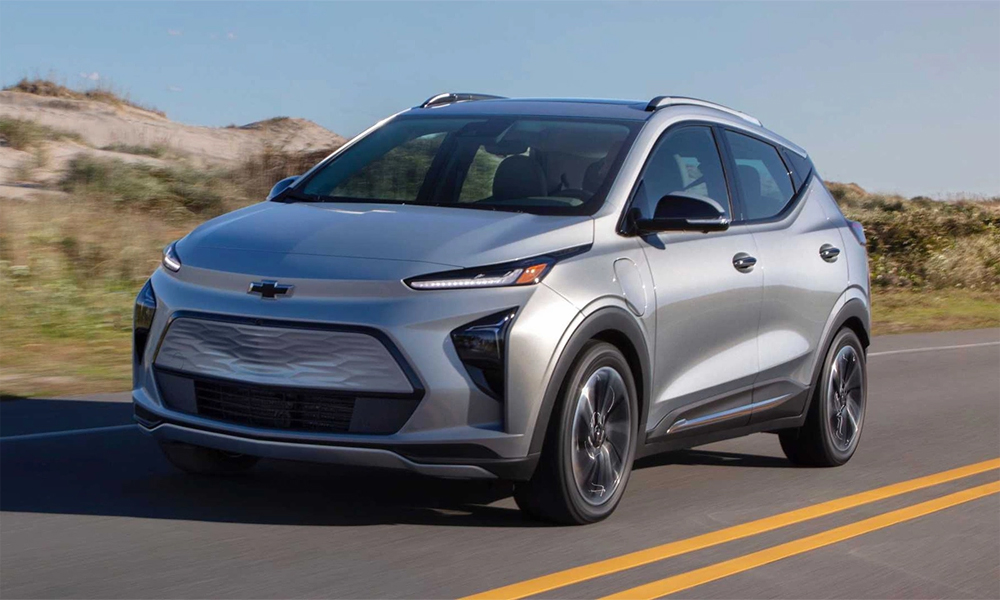 |
Chevrolet Bolt EUV – a symbol of GM's efforts to expand its mainstream electric vehicle portfolio. *Photo: Chevrolet* |
Most of GM's losses – a 4,2 billion USD cash charge – relate to contract cancellations and settlements with suppliers who had planned for much higher production volumes before market shifts, according to Reuters.
GM stated that this loss will not affect its US electric vehicle lineup, which is the industry's most diverse battery-powered vehicle range. The company will record this charge as a special item in its Q4 earnings report. It anticipates incurring additional charges in 2026 due to supplier negotiations, though these are expected to be less than the electric vehicle charges in 2025.
This move comes as GM's electric vehicle sales in the US market sharply declined after incentives worth up to 7.500 USD ended in late 9/2025. These incentives were previously considered a key driver of electric vehicle demand in the US.
In Trung Quoc, GM recorded a 1,1 billion USD loss for operational restructuring. This restructuring reflects a broader decline in pricing power within a market dominated by dynamic, low-cost local competitors.
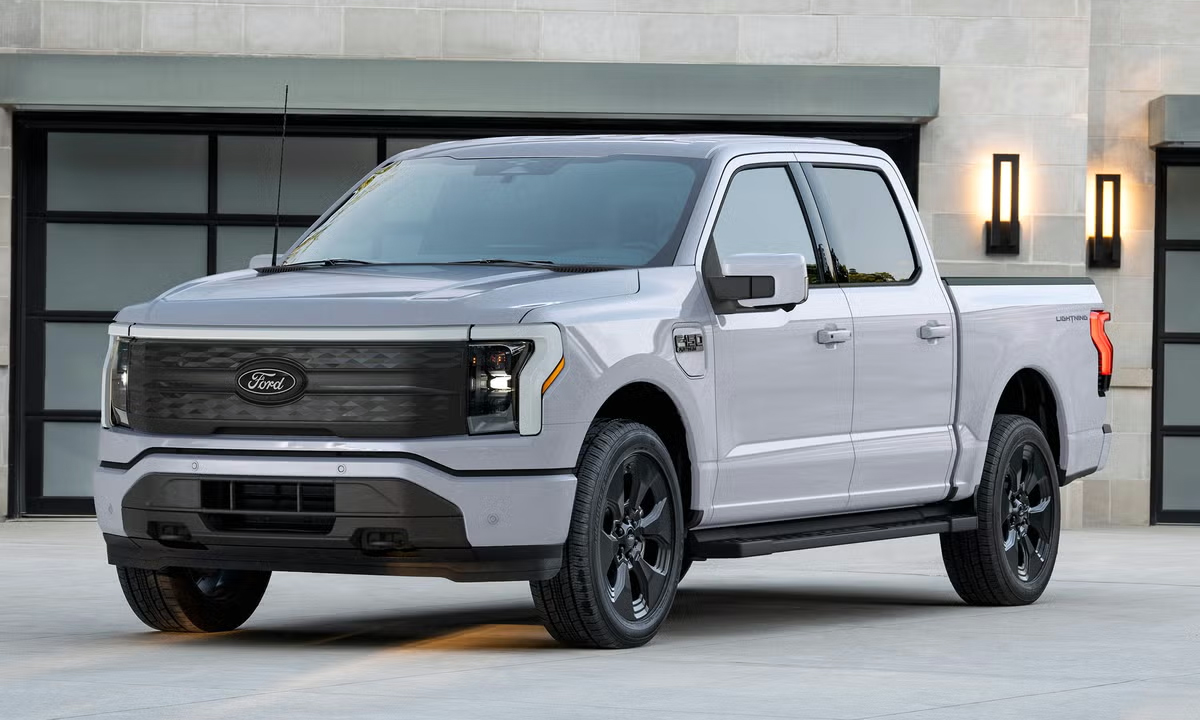 |
F-150 Lightning – Ford's all-electric pickup model, once a focal point of the company's electric vehicle strategy and slated for replacement. *Photo: Ford* |
Before GM, fellow US automaker Ford announced a 19,5 billion USD loss related to electric vehicles, including halting production of the F-150 Lightning pickup model. Such similar moves indicate this is not an isolated incident for one company but a broader trend in the US and European automotive industries, according to Yahoo Finance.
Despite this, GM emphasized that scaling back does not mean abandoning electric vehicles entirely. CEO Mary Barra affirmed that electric vehicles remain the industry's ultimate long-term goal, and GM continues to offer its current electric vehicle lines while developing charging and battery technology.
She reiterated that GM is developing plug-in hybrid vehicles, which can run solely on electricity before switching to an internal combustion engine, and the company is also evaluating traditional hybrid vehicles. However, she also stated that GM will continue to focus more on electric vehicles as they are a superior product for customers.
Some analysts view this as a strategic adjustment to balance investments between electric vehicles and traditional hybrid/gasoline models, rather than a complete "U-turn". Restructuring of factories and existing electric vehicle products will continue, but on a scale more aligned with market forecasts.
My Anh




