Nitin Gadkari, India's transport minister, announced at the All India Management Association's annual conference on 9/4 that the nation's automotive industry aims to become the world's largest within seven years. The objective is to surpass China and the United States, which currently hold the top two market positions.
Data compiled by Focus2move shows China remains the largest global market, growing 2,1% and accounting for 30,4% of total global revenue. The United States ranks second with sales growth of 1,6%, holding an 18,4% global market share.
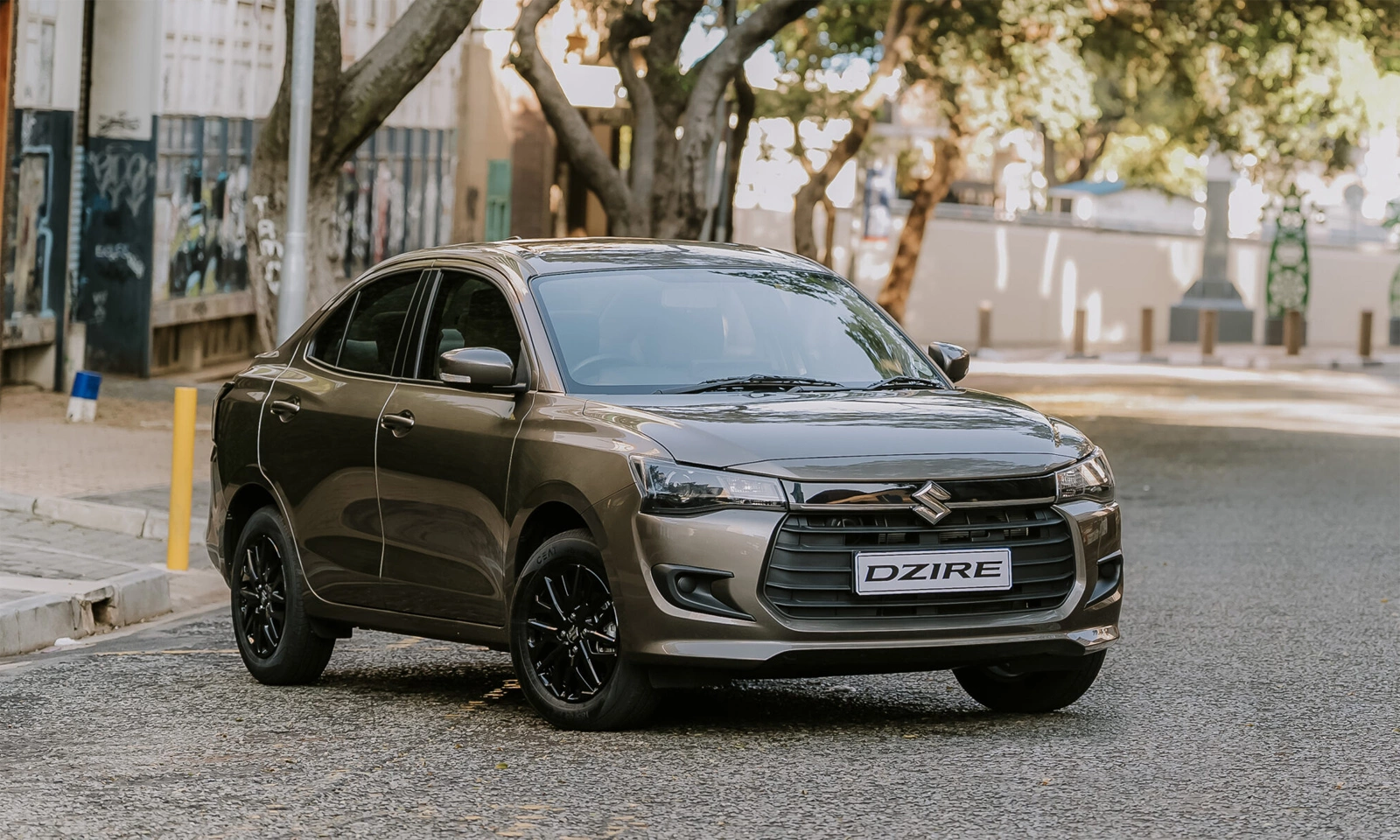 |
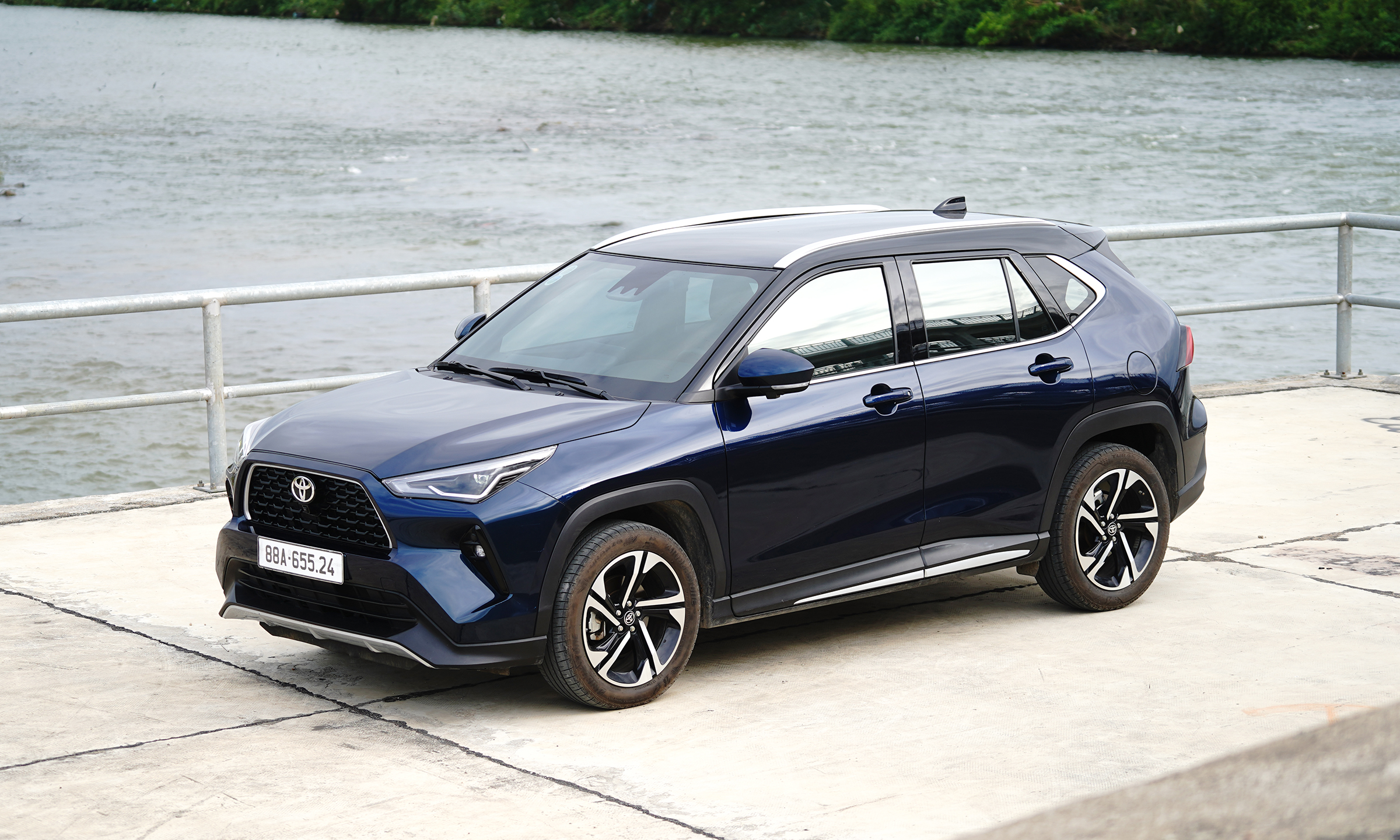
Maruti Suzuki Dzire – a top-selling vehicle in India. *Photo: Suzuki*
India ranks third with a 5,1% market share (+4,4%), followed by Japan at 4,9% (+3,2%). This indicates a substantial gap between India and the top two nations. Gadkari stated directly: "It's difficult, but entirely possible."
India's total automotive sales in fiscal year 2026 surpassed 4,67 million units, significantly less than China's annual sales of over 30 million vehicles. India's two-wheeler sales are among the highest globally. Commercial and three-wheeler segments also contribute to the total vehicle count. This combined ecosystem supports approximately 45 million jobs and is a major contributor to tax revenue for both central and state governments.
The next growth phase must be significantly faster. Gadkari's goal is meaningful only if the industry expands beyond domestic retail sales to include exports, components, electric vehicles, alternative fuels, and logistics-based manufacturing competitiveness.
Gadkari outlined three levers for the next growth phase: technology, specifically electric vehicles, hydrogen fuel, and alternative fuels; reduced logistics costs; and export growth.
The minister also highlighted that infrastructure investment is a prerequisite for automotive market growth. He noted the use of steel slag, formerly industrial waste, in road construction projects like highways. To date, approximately 8 million tons of waste material have been repurposed for road building. Improved roads will increase vehicle usage, sustaining demand for new vehicles, parts, and fuel.
According to Cartoq, this seven-year goal is ambitious by any measure. Its feasibility hinges on the pace of electric vehicle adoption, the competitiveness of domestic manufacturers in the global market, and whether infrastructure investment can keep pace with vehicle growth.
My Anh (via Cartoq)