Buying a supercar, even a used one, is an expensive indulgence. A Japanese company believes it has an alternative solution for young enthusiasts who still desire ownership. The idea is simple: forgo full ownership, gather a few friends, and share the car's costs.
The car-sharing service is called Rendez-Vous. A group of 5 individuals pays to jointly use a car for one year, evenly dividing the projected depreciation over those 12 months.
Kanji Hiraiwa, who spoke with Nikkei Asia, is one of the service's users. The 24-year-old can now call himself a co-owner of a Ferrari 360 Modena for the coming year. Through this service, each co-owner has the right to use the car for 50 days annually. Costs cover parking fees, maintenance, insurance, and all applicable taxes and charges.
Costs are calculated based on the car's depreciation over one year. For example, if a car is purchased for 20 million yen (126,000 USD) and its value drops to 17 million yen (107,000 USD) after 12 months, the group covers the 3 million yen (18,900 USD) difference. Divided among 5 people, each would pay approximately 600,000 yen (3,800 USD) annually, excluding other fees.
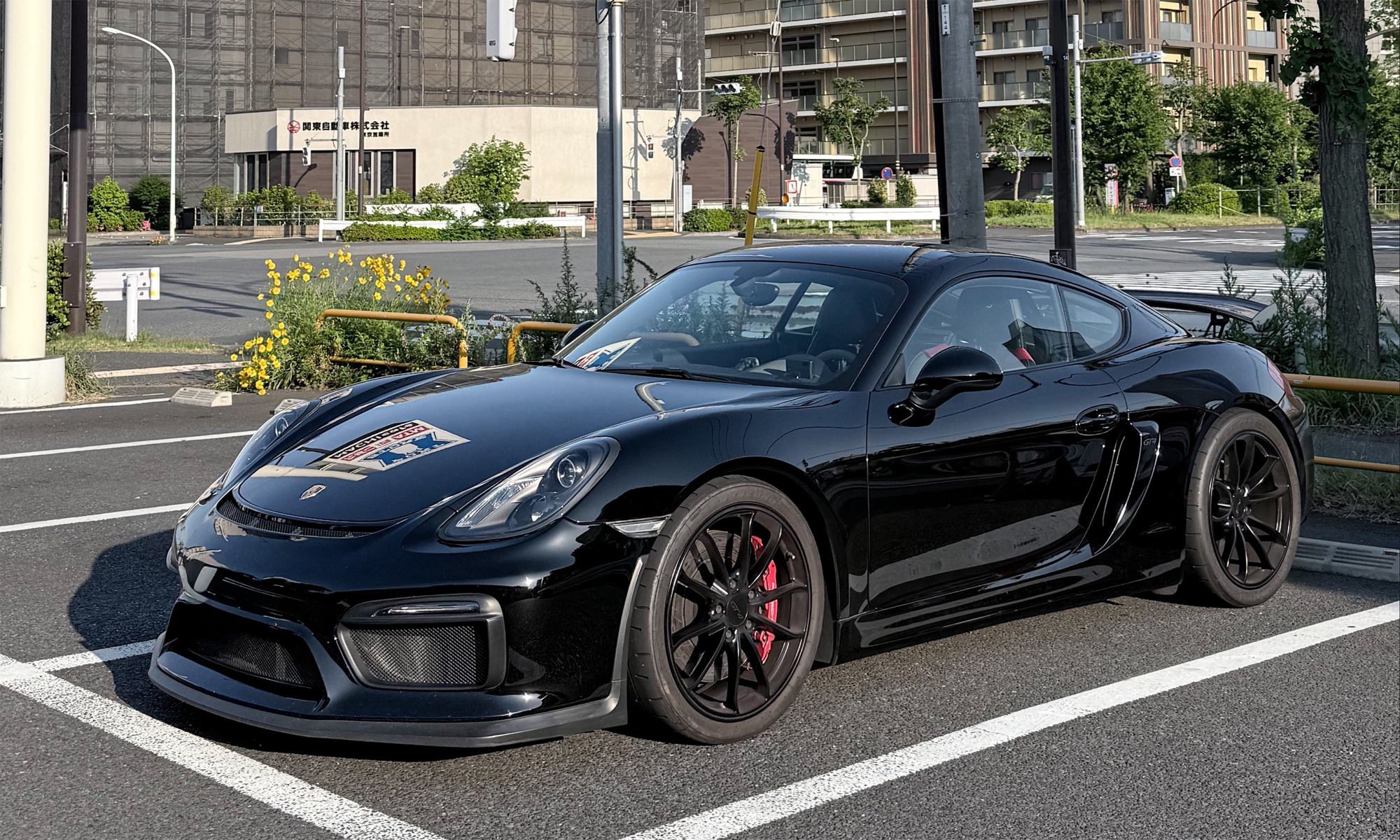 |
Rendez-Vous allows young Japanese to share ownership of a sports car or supercar, including diverse brands like Porsche, Ferrari, Lamborghini. Photo: *124nana*
Rendez-Vous specializes in used cars. Models range from classic cars of the 1950s to modern sports cars and supercars. According to reports, the service is popular among young car enthusiasts in Japan and has a waiting list of approximately 3,500 people.
"The cost of oto ownership is too high for people in their 20s," shared Ryota Asaoka, a representative for Rendez-Vous. "We hope to reduce the financial burden as much as possible so they can enjoy driving," Asaoka said.
This service allows young people to drive their dream supercar without spending too much money. Such services could also help counter the continuous decline in Japanese interest in oto ownership.
A recent survey indicated that 33% of people in their 20s in Japan are not interested in oto ownership. A separate Toyota study pointed out that the cost of purchasing and maintaining a car is one of the main reasons local residents avoid traditional ownership.
With shared ownership, even when considering additional costs, it remains much more feasible than an outright car purchase. For example, owning a Porsche 911 only requires a modest upfront payment and monthly fees, resembling a premium subscription package more than a car loan.
Other options are also gaining popularity. Platforms like DriveShare allow renting cars directly from owners.
These are practical solutions that speak volumes about evolving trends. For gen Z in Japan, outright car ownership is no longer as important as it once was. What truly matters is the experience – even if it means handing the keys over to someone else.
My Anh