Speaking to Autocar, Mercedes CEO Ola Källenius stated the company spent many years developing the user interface (UI) for new car models. According to him, the system must be intuitive enough for "a 5-year-old child or a Mercedes board member to be able to use."
In recent years, Mercedes, like many other automakers, shifted to interior designs with large touchscreens, reducing the number of physical buttons. On some models, the MBUX Hyperscreen system measures up to 1,410 mm (equivalent to 56 inches) in width, considered the largest single-piece screen ever seen in a commercial car.
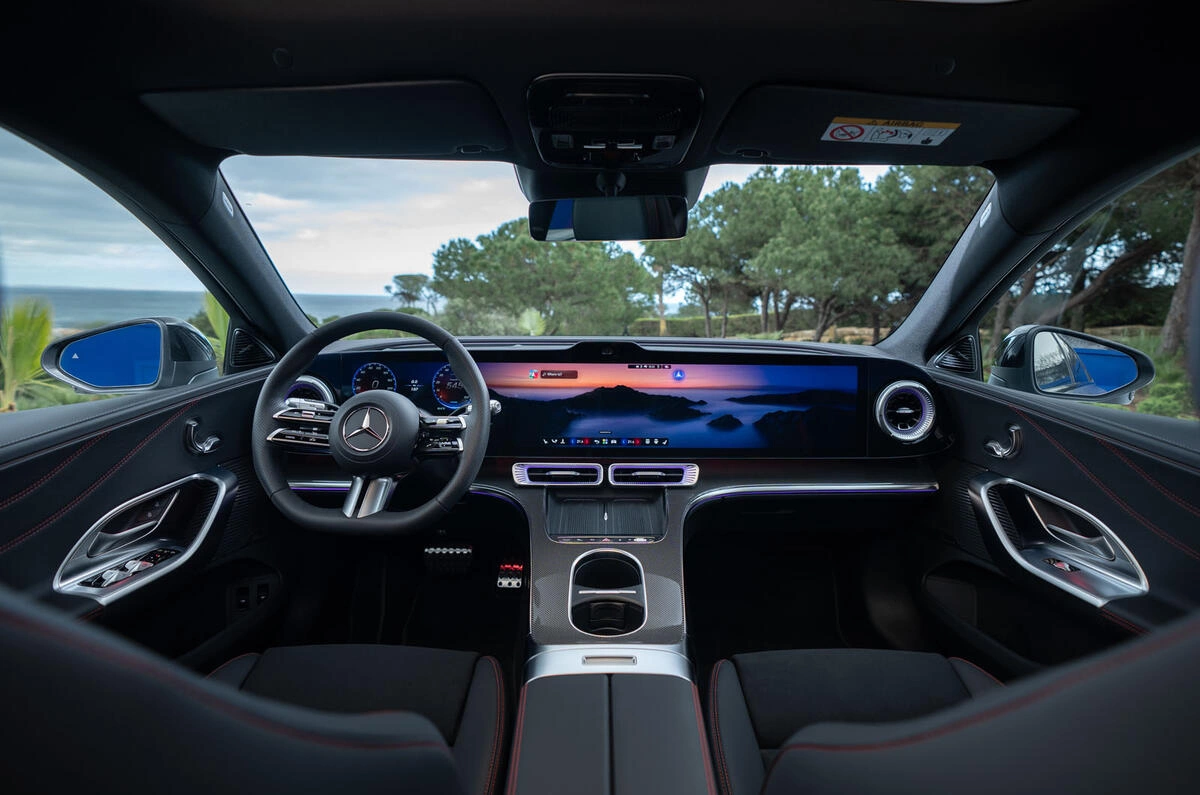 |
The MBUX Hyperscreen interface in a Mercedes car. Photo: *Autocar* |
This trend met with mixed reactions as more functions were integrated into screens instead of being controlled by traditional buttons.
Källenius stated Mercedes is improving its voice control system, but also admitted the entire industry "went a bit too far" in the cockpit digitalization process. "Sometimes we focus too much on technology for technology's sake, forgetting the actual needs of customers. From now on, Mercedes will bring back the most essential physical buttons," he said.
According to the Mercedes CEO, the company has begun bringing physical controls back to the steering wheels of new models. In the future, frequently used functions will continue to be prioritized with physical buttons instead of only being operated via the screen.
When asked if the automotive industry had reached "peak screen", Källenius replied: "I'm not sure if we've reached peak screen, but we've certainly hit rock bottom on the number of buttons."
Ho Tan (via Autocar)