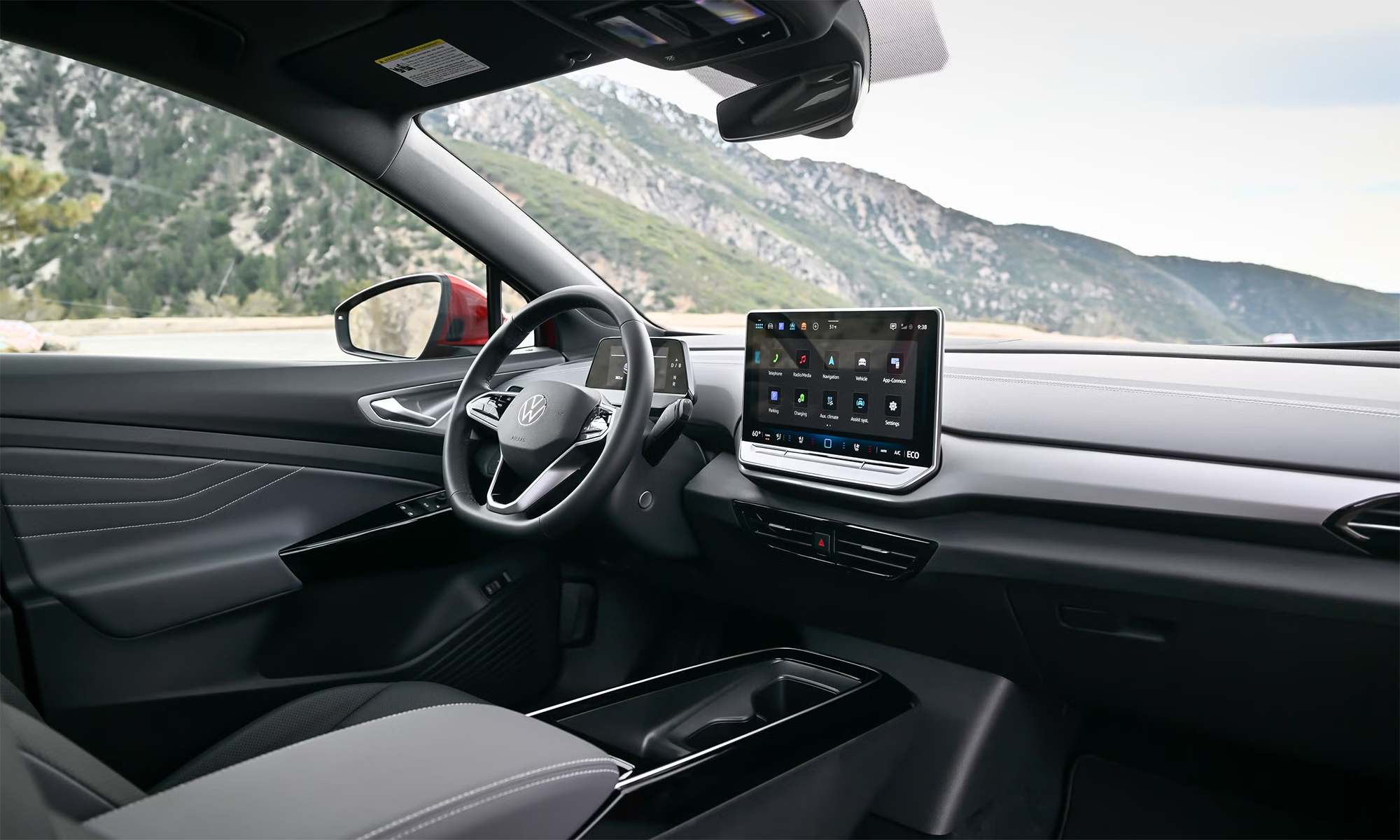
Today's vehicles are safer, smarter, and packed with more technology. These advancements, however, come at a cost. Software is now as crucial as wrenches or screwdrivers, and independent repair shops report rapidly increasing expenses to keep pace with modern automotive technology. Consequently, fewer affordable garages can afford specialized tools and licensed software, leaving consumers with fewer choices and higher repair bills.
A recent report from the Detroit News delves into how software-driven vehicles are reshaping the repair industry. While independent garages can generally access factory repair information, many shop owners admit that rising costs for software, diagnostic equipment, and technician training are eroding their competitive edge.
The era of the wrench is over
Years ago, car repairs primarily required mechanical knowledge and a good toolbox. Today, even routine tasks necessitate proprietary software to diagnose faults, reprogram replacement modules, or update systems.
According to the report, proprietary diagnostic software subscription fees can reach thousands of USD annually. Tesla charges 3,188 USD per year, Ford approximately 2,500 USD, and General Motors nearly 1,200 USD. Many automakers also offer short-term service packages, but costs accumulate quickly if a garage services multiple vehicle brands.
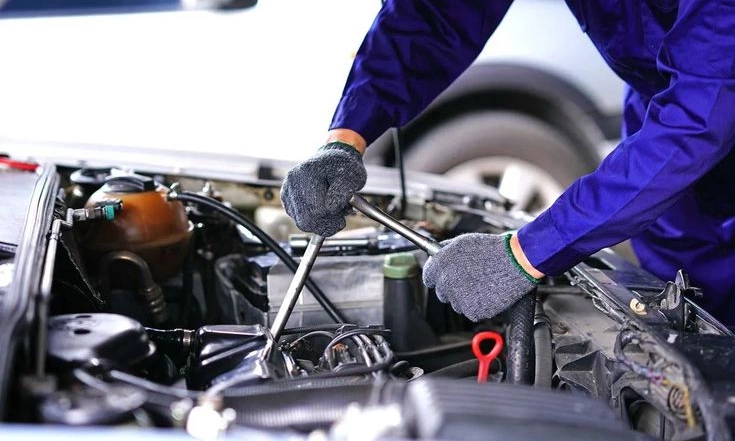 |
A vehicle undergoing maintenance at a garage in the US. Photo: Service My Car |
Software itself is only part of the challenge. Modern vehicles are equipped with numerous cameras, radar sensors, and advanced driver-assistance systems (ADAS). These often require recalibration with specialized equipment, even after minor collision repairs. Furthermore, shops must constantly invest in new diagnostic scanners and retrain technicians as vehicle technology evolves.
Notably, this does not appear to be an issue for manufacturers and authorized dealerships. Automakers seek tighter control over who services their products. Dealerships also benefit, as aftermarket services generate a significant portion of their profits. Whether intentionally or not, the software barrier faced by independent garages provides a substantial advantage to authorized dealer networks.
The US government has taken notice of this situation. Lawmakers are debating the "Right-to-Repair" act, which aims to ensure repair information and tools are available to anyone who needs them. Conversely, automakers cite an industry agreement from 2014, committing to provide independent shops with the same amount of data and diagnostic tools as authorized dealerships. The Alliance for Automotive Innovation (AAI) recently reaffirmed this commitment, while emphasizing manufacturers' rights to protect intellectual property and confidential business information.
Car owners bear the brunt
Ultimately, consumer car repair bills continue to rise. According to data from the US Bureau of Labor Statistics, cited by the Detroit News, vehicle maintenance and repair costs increased by 36% between 5/2022 and 5/2026, with a 6% increase this year alone. Inflation, supply chain disruptions, tariffs, rising labor costs, and the complexity of modern vehicles are all contributing factors to this trend.
My Anh