The new company, Saidou Technology, plans to launch its first model this year. This vehicle is expected to be a crossover, offering both electric vehicle (EV) and extended-range electric vehicle (EREV) powertrain options. Production will take place at the upgraded Seres Phoenix plant.
This new brand aims to differentiate itself with a strong focus on artificial intelligence (AI)-driven user experience. Unlike Aito, a brand formed through a partnership between Seres and Huawei that uses Huawei's Qiankun intelligent driving solution, Saidou intends to leverage ByteDance's Volcano Engine for its advanced AI cockpit and multi-modal language processing capabilities.
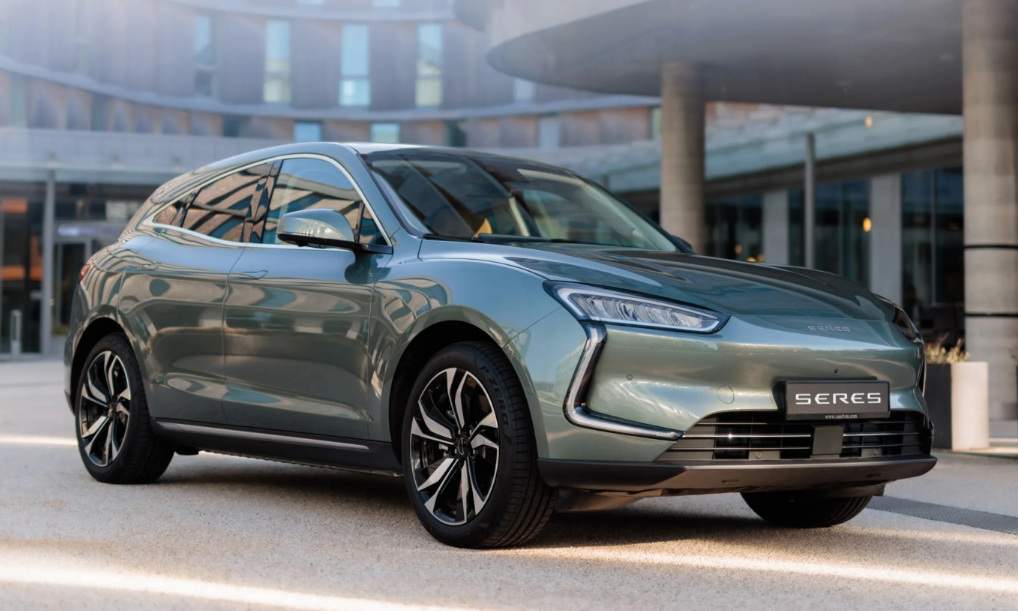 |
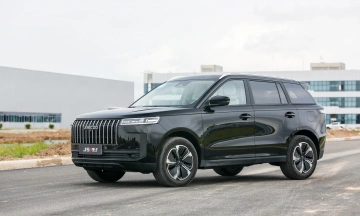
The Seres SF5 electric crossover from Seres group, sold in China, some European, and Middle Eastern markets. Photo: DubiCars |
The Seres SF5 electric crossover from Seres group, sold in China, some European, and Middle Eastern markets. Photo: DubiCars
Positioned for a younger, more dynamic customer base, the brand will establish separate sales channels for both domestic and international markets. This project falls under the global business unit of Seres' international division, highlighting the company's focus on expanding its presence worldwide.
This launch marks a significant strategic shift from Seres' initial Landian brand, which struggled in the low-cost segment, priced between 100,000 and 150,000 CNY (14,300-21,400 USD).
Several other Chinese automotive brands, including Leapmotor and Xiaomi, are also planning to introduce sub-brands this year, indicating a growing trend in the industry.
Launching this new brand is a major step for Seres to achieve greater independence. While Aito has contributed significantly to Seres' growth, the current over-reliance on the sub-brand for both sales and revenue presents a complex challenge.
In the first quarter of this year, Seres reported operating revenue of 25.746 billion CNY. Net profit attributable to shareholders of the listed company reached 754 million CNY. Electric vehicle sales for Seres in the first quarter totaled 78,500 units, marking a 43.9% increase compared to Q1 2025.
By My Anh (according to CarNewsChina, CnEVPost)