Owning a Chinese electric vehicle is nearly impossible for US consumers due to strict federal regulations blocking all Chinese car brands. Yet, thousands of Chinese-made Zeekr robotaxis are consistently arriving at US ports.
This influx stems from a decision made years ago, when Waymo, a Google subsidiary, began seeking a vehicle for its next generation of autonomous taxis. Waymo opted to contract with Zeekr, bypassing domestic automakers, to develop a dedicated electric minivan. This model, known as the CM1e in China, is internally referred to as the Ojai by Waymo and is now integrated into the company's robotaxi fleet.
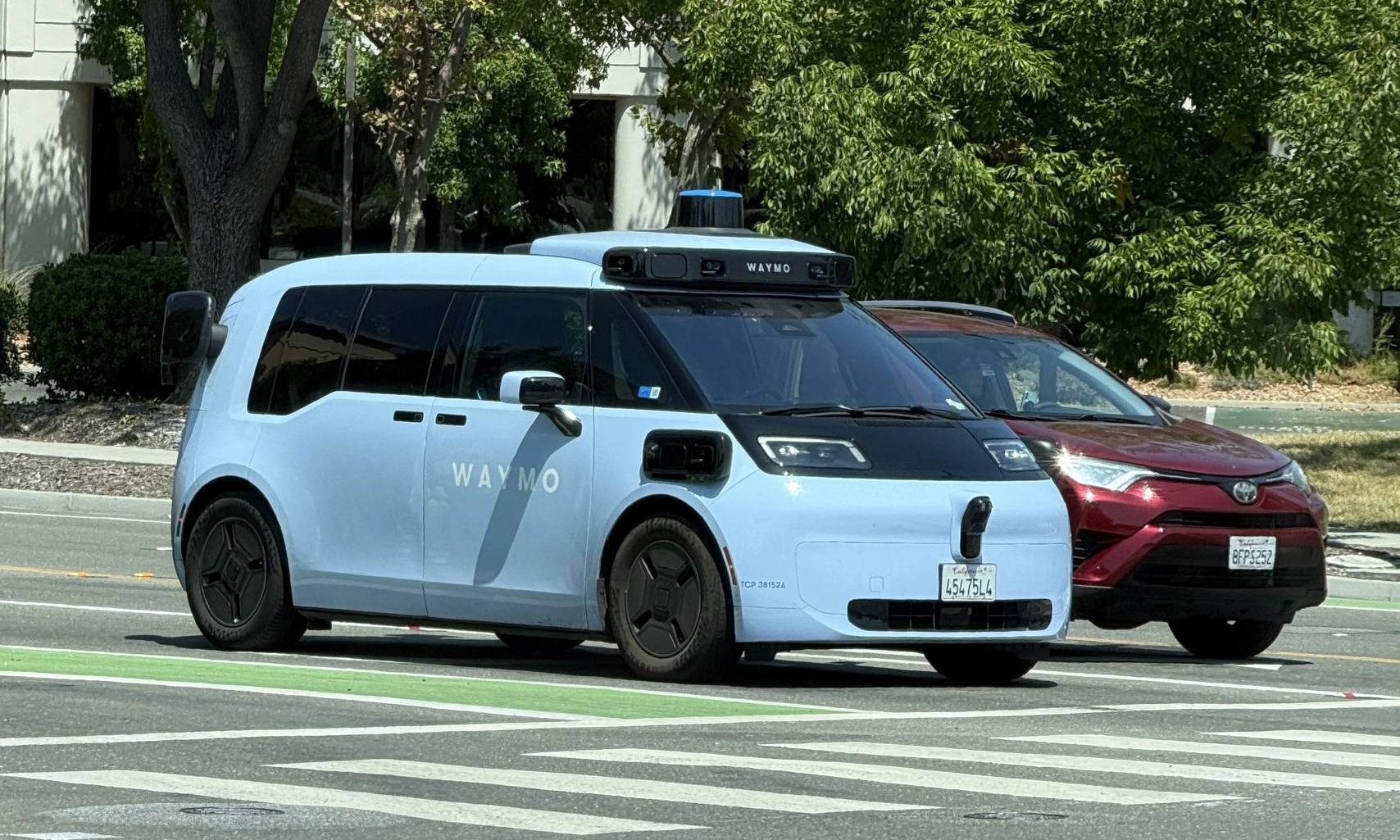 |
A Zeekr imported from China serving as a Waymo robotaxi on US streets. Photo: Goshima |
The agreement was signed before the Trump administration imposed significant tariffs on Chinese goods, raising questions about Waymo's ability to continue importing Zeekr products.
Despite these tariff barriers, Waymo's plans have not been disrupted. According to Forbes, over 3,200 Zeekr minivans have been imported into the US since 2024, with more than 2,600 arriving this year alone.
Costly yet more affordable than Jaguar vehicles
US import declarations value the Ojai model at approximately 38,000 USD, comparable to the CM1e's 39,000 USD listed price in the Chinese market.
The Ojai is built on Geely's SEA-M architecture, derived from the Zeekr M-Vision concept developed for Waymo's autonomous ride-hailing program. The M-Vision concept debuted in 2022, with the production version later emerging as the CM series.
The vehicle features an 800 V electrical system, a 93 kWh battery, and a rear electric motor delivering 268 horsepower. Its body incorporates dual sliding doors, eliminating the B-pillar, and both the steering and braking systems utilize electronic control hardware.
Given the 127,5% import tariff on Chinese electric vehicles, a minivan with an initial price of 38,000 USD escalates to approximately 86,500 USD upon port arrival, prior to sensor installation. Adding Waymo's generation 6 (Gen 6) hardware and software package, costing about 25,000 USD per vehicle, the total cost for a fully equipped Ojai readily surpasses 100,000 USD.
This system integrates 4 lidar sensors, 6 radar units, and 13 cameras. Waymo indicates this optimized hardware configuration was developed to reduce costs while enhancing the system's operational capabilities.
Despite the tariffs, Waymo's calculations reveal the Zeekr Ojai remains economically efficient. Each Jaguar I-Pace currently in the robotaxi fleet costs an estimated over 200,000 USD. The Zeekr model is significantly cheaper and offers a more spacious cabin, making it more suitable for passenger transport.
Waymo reports that over 100 Zeekr-produced minivans are already serving customers in cities like Los Angeles and San Francisco. The precise number of vehicles currently undergoing testing, in storage, or awaiting deployment, out of the more than 3,200 imported, remains undisclosed.
My Anh