Global spot gold prices opened on 3/3 with a rise of over 30 USD, reaching 5,351 USD an ounce. This followed a closing price of 5,320 USD at the end of the first session of the week.
Silver, platinum, and palladium also saw gains. Each ounce currently trades at 91 USD, 2,300 USD, and 1,777 USD, respectively.
 |
Global gold price movements over the last three sessions. Chart: Kitco |
The precious metals market saw gains as the Middle East conflict intensified, showing signs of prolonged duration. This development fueled investor concerns about potential disruptions to the global economic recovery and ignited fears of inflation.
Gold is a favored safe-haven asset due to escalating global economic and political tensions. Since the beginning of the year, global gold prices have increased by nearly 20%.
Asian stock markets also opened in the red. Japan's Nikkei 225 index currently fell 0,89%. South Korea's Kospi Index lost 2,3%. Australia's S&P/ASX 200 dropped 0,84%. These indexes had all declined in the first session of the week.
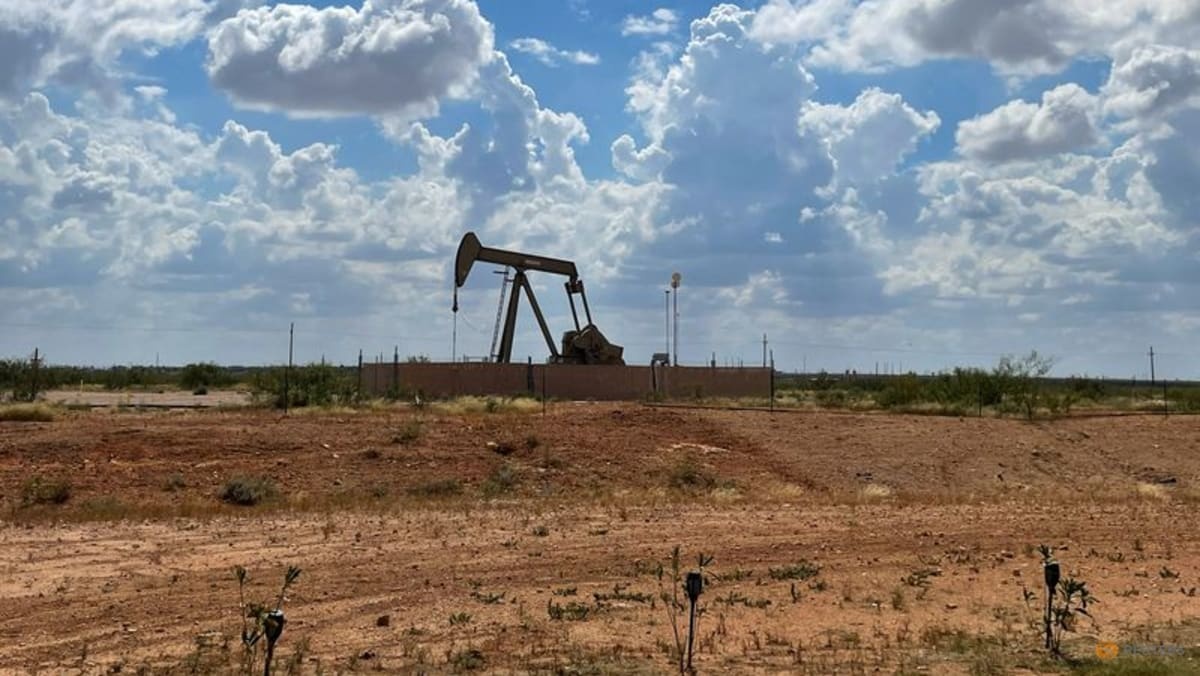
Global crude oil prices also rose 6-7% at the close of trading on 2/3. However, this level was only one-half of previous highs. On the morning of 3/3, prices edged up slightly to around 71-77 USD.
"Investors are currently concerned about inflation and oil due to the Middle East conflict," Lindsey Bell, an investment strategist at 248 Ventures, told Reuters. Global energy supply chains are currently disrupted by the conflict. In recent days, several Middle Eastern countries have had to suspend oil and gas extraction.
The Islamic Revolutionary Guard Corps of Iran also announced on 3/3 the closure of the Strait of Hormuz, warning of attacks on any vessels attempting to pass through this route. This is a critical global oil and gas shipping lane.
In the currency market, the US dollar benefited most, strengthening against other well-known safe-haven currencies like the Swiss franc and Japanese yen. Developments in the oil market impacted currency prices, as the US is currently a net energy exporter, while both Europe and Japan depend on imports.
The dollar index, which measures the US dollar's strength against six major currencies, currently rose 0,9%. The euro's price fell 1% against the USD, trading at 1,169 USD per EUR. Meanwhile, one USD currently exchanged for 157 JPY.
Ha Thu (Source: CNBC, Reuters)