Hanoi Metro's latest financial report indicates a revenue of nearly 547 billion dong for the first six months, marking a more than 39% increase over the same period last year. This revenue figure even exceeds the total annual revenue recorded during its first three years of operation (2021-2023). Ticket sales contributed over 85 billion dong, while subsidies accounted for nearly 462 billion dong.
After deducting operational costs, the company posted a gross profit of nearly 39,8 billion dong, representing a gross profit margin of approximately 7,3%. Furthermore, Hanoi Metro generated 25 billion dong in financial revenue, a 6% rise, primarily from deposit interest.
The company's enterprise management costs were its sole major expense, increasing 74% to over 23 billion dong. Nearly 16 billion dong of this amount went towards management staff salaries. Notably, Hanoi Metro reported no financial or sales expenses.
Hanoi Metro's after-tax profit reached over 33,3 billion dong, more than three times higher than the corresponding period last year. This marks the highest profit the enterprise has ever recorded in a half-year period, surpassing its full-year profits from 2015-2024.
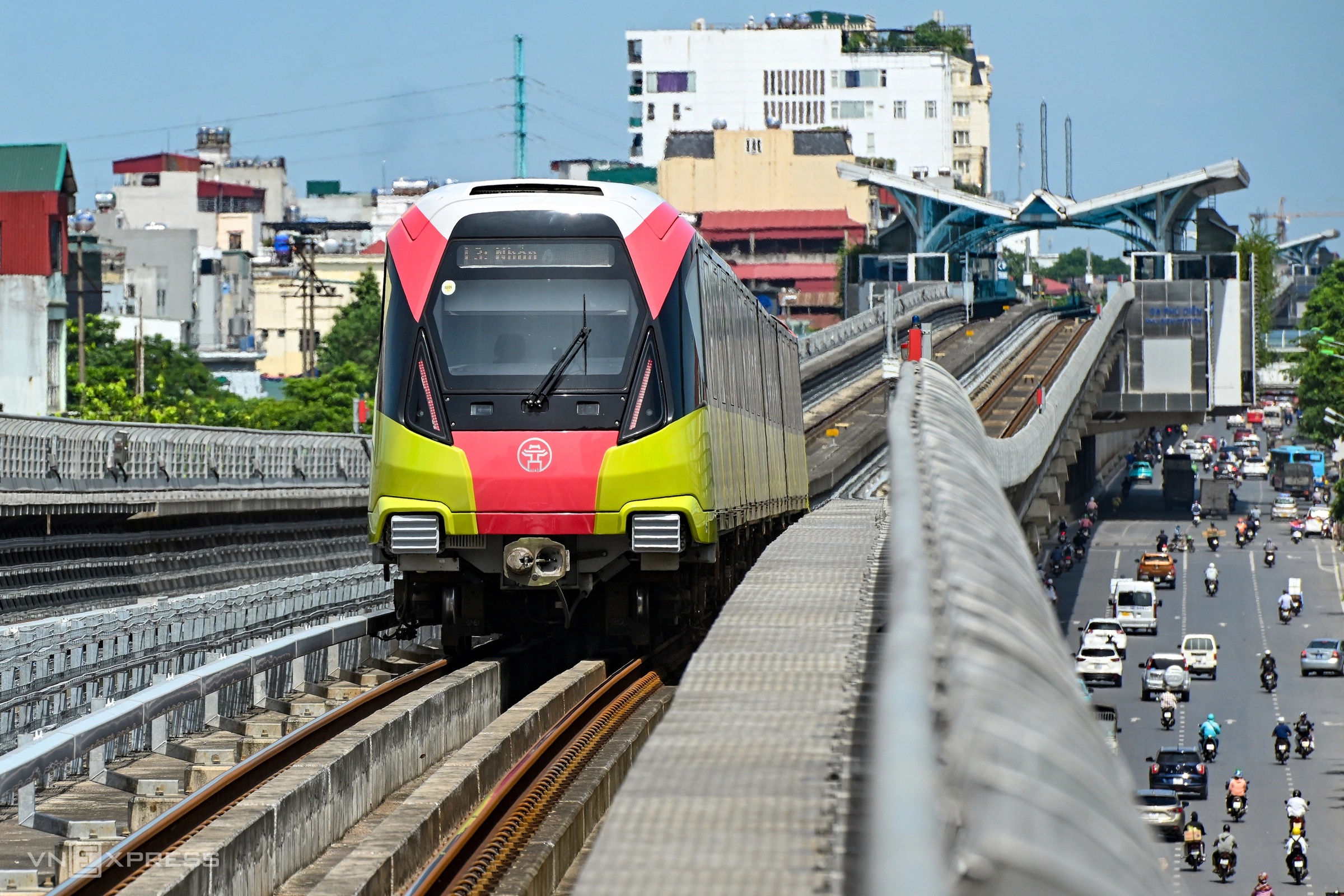 |
A train operating on the Nhon - Ha Noi station metro line. Photo: Giang Huy |
By the end of June, Hanoi Metro's total assets amounted to over 8.026 billion dong, an increase of 105 billion dong since the start of the year. Approximately 1.597 billion dong of this was held in bank deposits.
Liabilities also rose by 20% to nearly 429 billion dong, predominantly consisting of short-term payables. The company reported no financial debt.
Hanoi Metro, an enterprise overseen by the Hanoi People's Committee (UBND), operates two urban railway lines: Cat Linh - Ha Dong and Nhon - Ha Noi station. Last year, the company observed a growing demand for public transportation. The introduction of an electronic ticketing system and cashless payments has also bolstered brand development and enhanced operational efficiency.
For the current year, Hanoi Metro is tasked with serving nearly 21,6 million passengers. The company projects total revenue of nearly 1.280 billion dong and an after-tax profit of approximately 45,7 billion dong. Achieving these targets would mark the most profitable year in the company's operational history.
Tat Dat