MacKenzie Scott, 55, ex-wife of Amazon founder Jeff Bezos, announced in a social media post mid-this-month that she has donated USD 7,17 billion to 225 organizations this year. This latest contribution brings her total charitable giving since 2019 to USD 26,3 billion.
These significant donations were allocated to various non-profit organizations. Recipients include several historically Black colleges and universities, alongside groups focused on addressing critical issues such as poverty, social injustice, and climate change.
"This sum may be mentioned in news reports. But no matter how large, it is only a small fraction compared to acts of care and sharing between people," Scott wrote on her social media page.
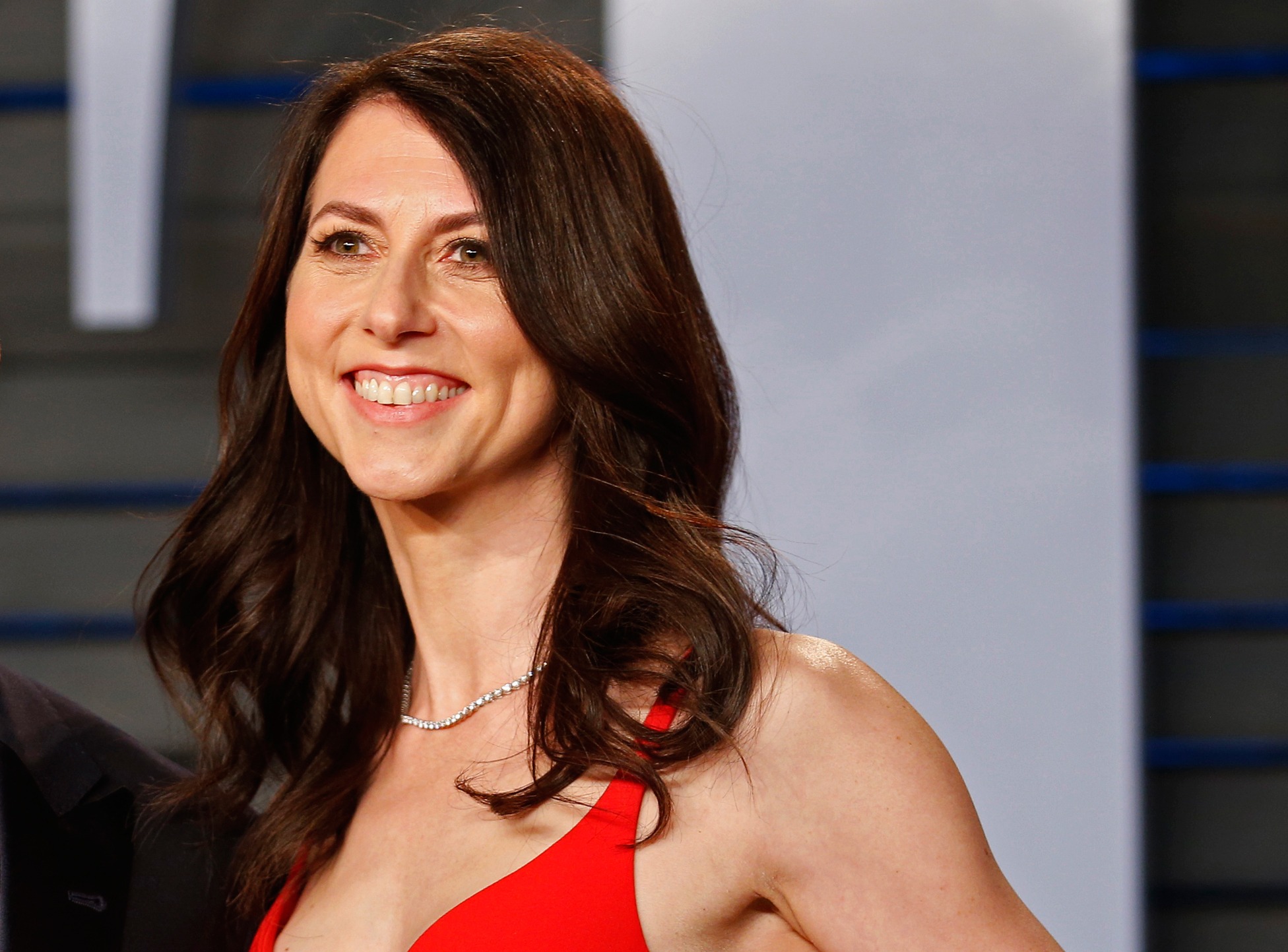 |
MacKenzie Scott at an event in California in 2018. Photo: *Reuters*. |
According to Forbes, with USD 26,3 billion in lifetime charitable giving, Scott ranks behind only two other billionaires, Warren Buffett and Bill Gates. The magazine currently estimates her net worth at about USD 29,9 billion. Scott became one of the world's wealthiest women after her 2019 divorce from Jeff Bezos, receiving a 4% stake in Amazon.
Following her divorce, Scott signed the Giving Pledge, a commitment to donate most of her wealth to charity. Since then, she has consistently been recognized among the world's most generous billionaires. She employs a team of advisors to identify "organizations with strong and effective leadership" across various sectors, accelerating her philanthropic efforts.
Scott prioritizes "special attention to organizations operating in communities facing high food insecurity, significant racial inequality, high local poverty rates, and limited access to philanthropic capital."
In her mid-month post, Scott cited Giving USA data, indicating that Americans donated over USD 590 billion to charity in 2024. Despite this, she believes that most philanthropic activity in the US—whether monetary or in other forms—still occurs on a relatively small scale.
Scott also shared personal experiences of receiving help before her wealth, which later inspired her philanthropy. She recounted a local dentist who treated her teeth for free after seeing her use denture adhesive to fix a broken tooth during college. Similarly, a Princeton University roommate lent Scott USD 1,000 when she saw her crying, preventing her from dropping out in her second year.
Embracing an "impact investing" strategy, Scott follows other prominent philanthropists. She channels funds into mission-driven organizations and companies that offer solutions to social issues, then uses the profits to further charitable donations.
"Instead of keeping money in bank accounts or stocks, I want to channel funds into mission-driven areas, such as supporting women and people of color," she stated.
By Ha Thu (based on CNBC, Reuters reports)