After the recovery phase of international tourism, the demand for overseas travel among Vietnamese people continues to grow. According to the General Statistics Office, in 2025, the number of Vietnamese outbound travelers reached 6,7 million, an increase of 26,4% compared to the previous year. Many tourists are expanding their choices beyond familiar regional destinations to include longer, multi-country journeys or destinations with deep cultural experiences.
As Vietnamese travelers venture further and spend more, their approach to selecting international tours is also changing. Tour price remains a factor, but it is no longer the sole determinant. Instead, many now thoroughly research itineraries, hotel standards, airlines, meals, on-site experiences, visa assistance capabilities, and how travel agencies handle unexpected situations.
Ms. Tu Quynh (TP HCM) stated that her family no longer chooses tours based solely on visiting "many destinations." When traveling with her parents and young children, she prioritizes manageable itineraries, convenient hotels, and ample time for experiences. "I am willing to pay more if the tour clearly outlines services, has few unexpected issues, and provides support when needed", she said.
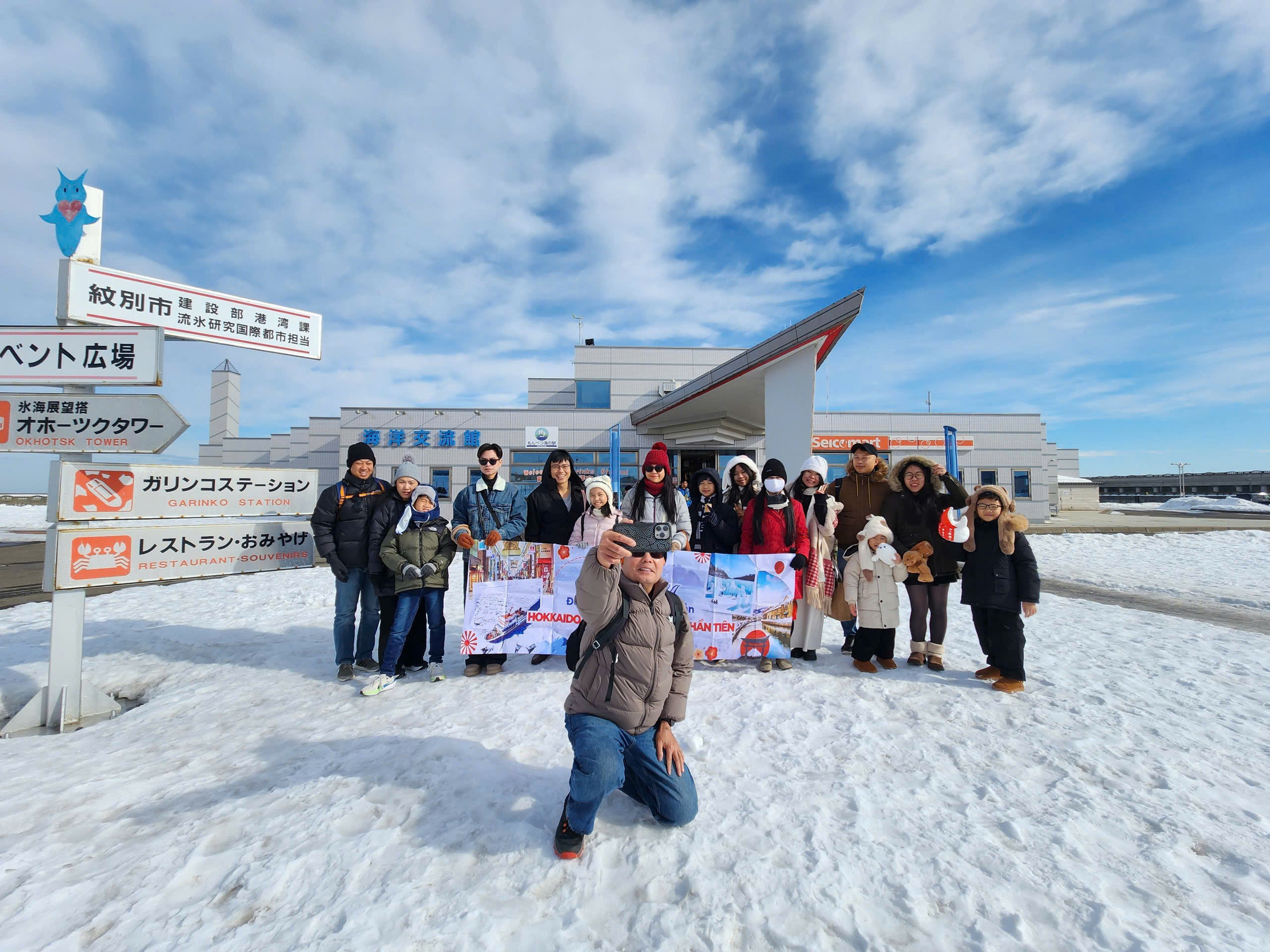 |
Vietnamese tourists exploring Hokkaido, Japan. Photo: TransViet |
Vietnamese tourists exploring Hokkaido, Japan. Photo: TransViet
This shift in demand has ushered the international tour market into a new competitive phase. According to a Transviet representative, many travel businesses are now focusing on enhancing operational capabilities, controlling service quality, and providing continuous support throughout the customer's journey, rather than just creating packed itineraries and offering attractive prices.
The company representative also noted the increasing diversity in the needs of international travelers. Young travelers prioritize new experiences and local activities. Multi-generational families seek manageable itineraries, convenient hotels, and suitable meals. Meanwhile, middle-aged travelers tend to choose wellness retreats, healthcare tourism, or spiritual journeys.
Therefore, designing a tour program involves more than just arranging multiple destinations in one trip; it requires balancing sightseeing, relaxation, cultural experiences, and travel time to suit each customer group.
Asian destinations continue to dominate due to their proximity, reasonable costs, and favorable entry policies. Thailand and Singapore are suitable for short getaways, young friend groups, or families seeking a change of scenery without complex preparations.
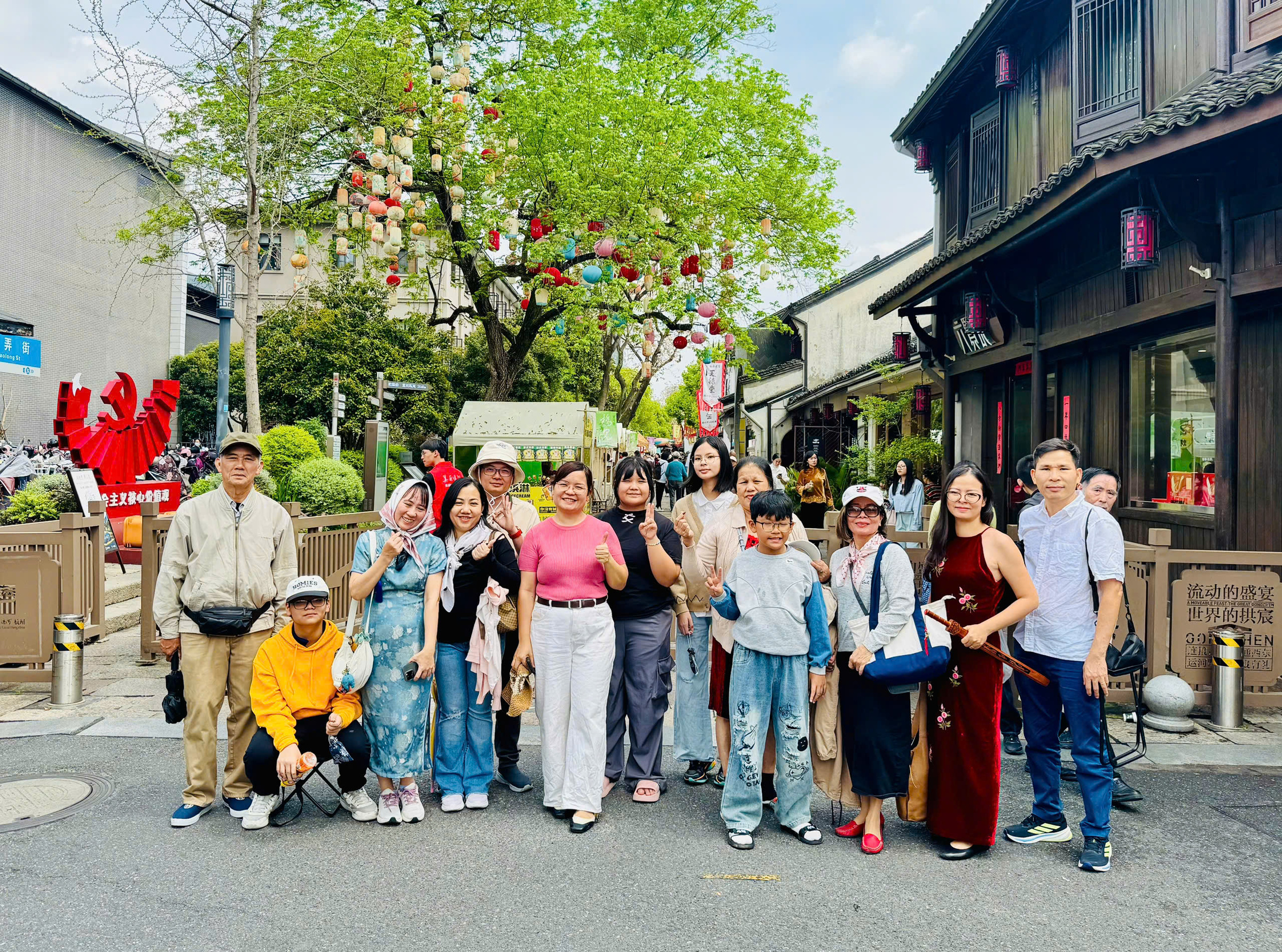 |
Vietnamese customers experiencing the old town in a China tour. Photo: TransViet |
Vietnamese customers experiencing the old town in a China tour. Photo: TransViet
Meanwhile, Japan, South Korea, and Taiwan attract travelers seeking deeper experiences. Instead of merely visiting famous landmarks, many tourists are interested in seasonal activities, cultural workshops, local cuisine, festivals, craft villages, or more leisurely-paced itineraries.
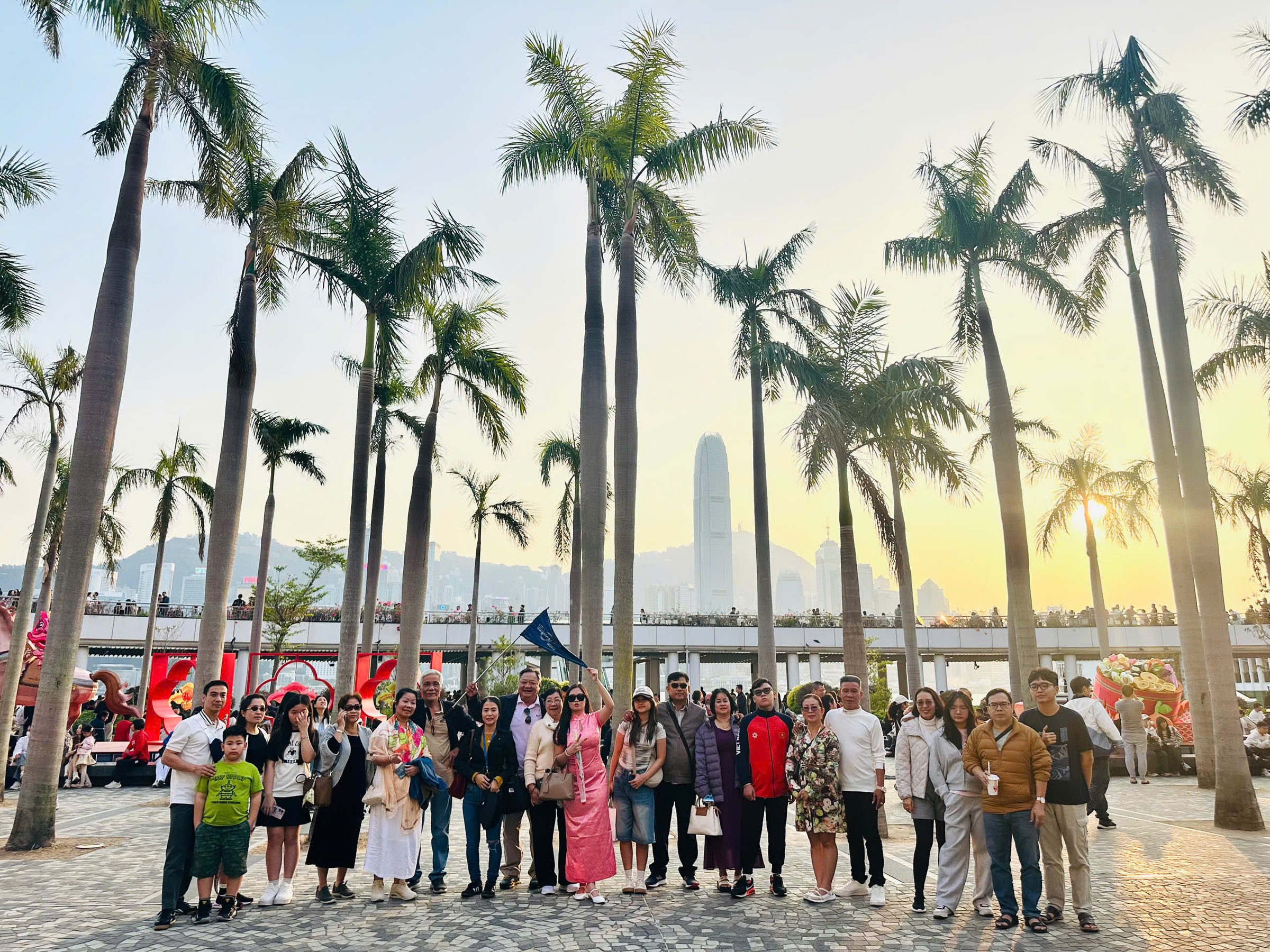 |
Vietnamese tourists prioritize international itineraries with flexible schedules and diverse on-site experiences. Photo: TransViet |
Vietnamese tourists prioritize international itineraries with flexible schedules and diverse on-site experiences. Photo: TransViet
Furthermore, with the cost of an international trip potentially reaching tens or hundreds of millions of dong for a family, many customers prioritize experienced agencies with transparent information and clear support systems. In international travel, risks can arise from visa applications, flight changes, weather, entry policies, service overload during peak season, or customer health issues. Therefore, a travel agency's competence is demonstrated not only in tour sales but also in preparation, operation, and handling unforeseen situations.
Concurrently, the trend of green and sustainable tourism is gaining interest. Tourists tend to choose nature-friendly activities, respect local culture, and enhance interaction with local communities. This also requires businesses to design more in-depth itineraries, rather than focusing solely on the number of attractions.
Given this reality, a TransViet representative emphasized that the market is shifting from "buying a tour program" to choosing peace of mind throughout the entire journey. This demands greater investment from businesses in their consulting and operations teams, overseas partner networks, and customer care processes before, during, and after the trip.
(Source: Transviet)
Founded in 1996, TransViet – a top 10 leading travel company in Vietnam for 2025 (as announced by Vietnam Report) – currently offers many international tourism product groups, ranging from Northeast Asia, Southeast Asia, China to Europe, America, Australia, and seasonal custom tours.
TP HCM Office: 82 Vo Van Tan, Xuan Hoa ward
Phone: (028) 7305 7939
Hanoi Office: 9 Dao Duy Anh, Kim Lien ward
Phone: (024) 7305 7939
Website: https://transviet.com.vn/