The latest data from the Ministry of Agriculture and Environment reveals that in November, Vietnam recorded 402 African Swine Fever outbreaks across 31 provinces. Cumulatively since the beginning of the year, 2,495 outbreaks have occurred in 34 localities, leading to the culling of 1.23 million pigs. This marks the largest number of pigs culled due to this disease to date.
The rapid spread of the disease is attributed to several factors. Most outbreaks occurred in small-scale farming households, where disinfection and control of vehicle access to farms were not strictly enforced. Additionally, frequent rain and high humidity created favorable conditions for the virus to survive and spread. Veterinary agencies have also identified a new, more virulent virus strain, increasing the risk of disease control.
The repopulation process in affected areas has been uneven. While some localities recovered quickly, the Central region faced disruptions from floods, leading to a reduction in farming scale.
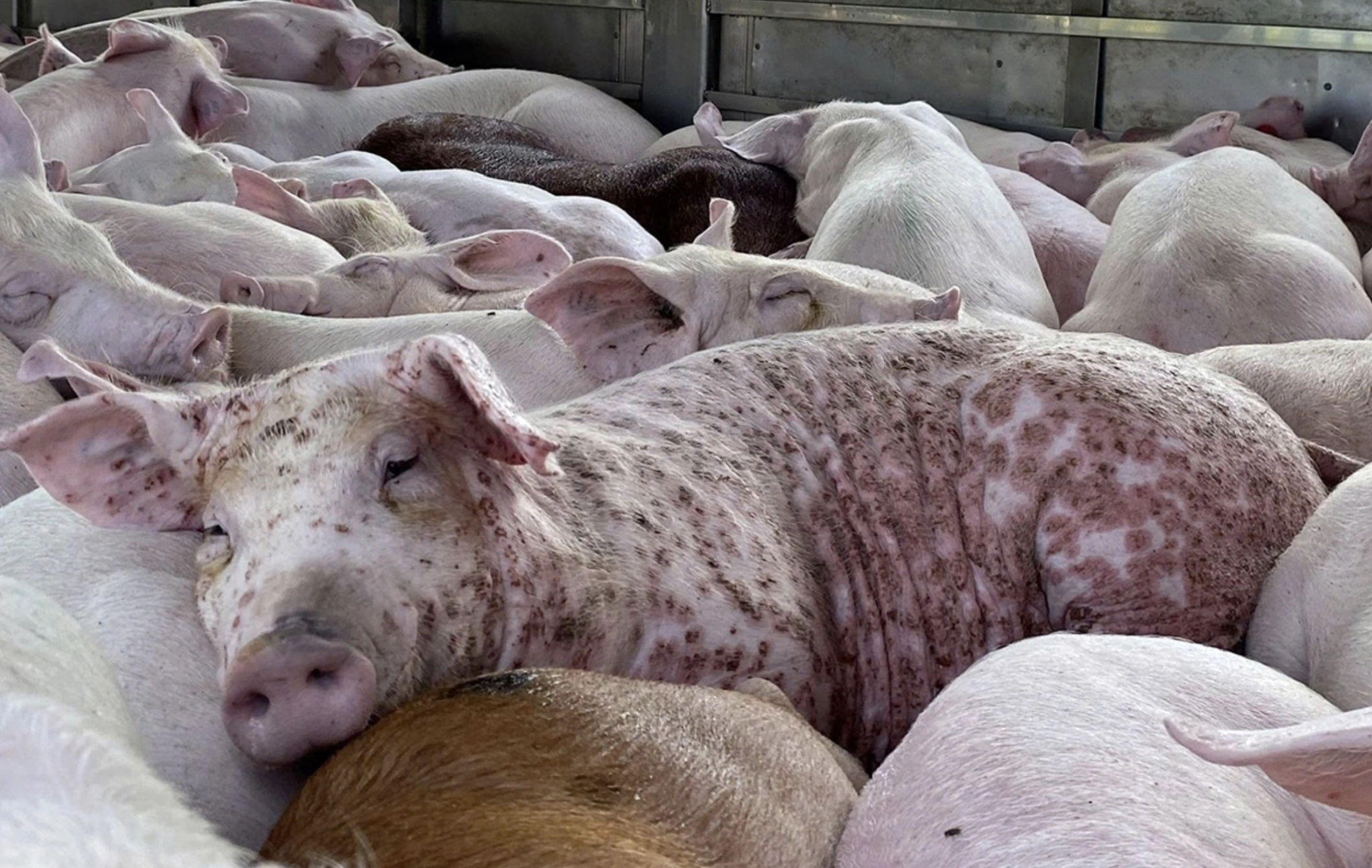 |
Pigs affected by African Swine Fever in Gia Lai. Photo: Nguyen Chon |
Since mid-November, live pig prices have begun to rise again as supply from small-scale households sharply decreased. Compared to October, prices in the Northern region reached 52,000-54,000 dong per kg, the Central and Central Highlands regions saw 49,000-53,000 dong, and the Southern region was 51,000-54,000 dong. This trend is considered short-term, reflecting an immediate supply drop rather than a sign of sustainable recovery.
Nguyen Kim Doan, Vice Chairman of the Dong Nai Livestock Association, warned that without regulating imports and boosting domestic consumption, the livestock industry could enter a new crisis cycle. He proposed adjusting retail prices reasonably and increasing communication on food safety to restore consumer confidence.
In contrast to pig farming, the poultry sector recorded stable production growth due to good disease control. Conversely, cattle farming continued to decline due to low economic efficiency and shrinking grazing areas.
The Ministry of Agriculture and Environment stated that by year-end, it will enhance disease surveillance, conduct gene sequencing for early warning of new variants, and support businesses and localities in establishing disease-free zones to maintain production.
Thi Ha