Remeredzai Joseph Kuhudzai, owner of a Nissan Leaf 24 kWh, shared that over five years of use, he spent only USD 2,4-6,24 daily to charge his vehicle, depending on electricity prices. When he had to temporarily use his old diesel car a few months ago due to the loss of his EV, his daily expenses jumped to USD 20. "I realized that by using an electric vehicle, I saved about USD 13,7 daily, which means over USD 25,000 after five years," Kuhudzai stated in CleanTechnica magazine.
He added that maintenance costs also dropped significantly because electric vehicles do not require oil changes, air filter replacements, or spark plugs. "What surprised me was that electric vehicles almost need no maintenance. For years, I only had to replace tires due to potholes," Kuhudzai shared.
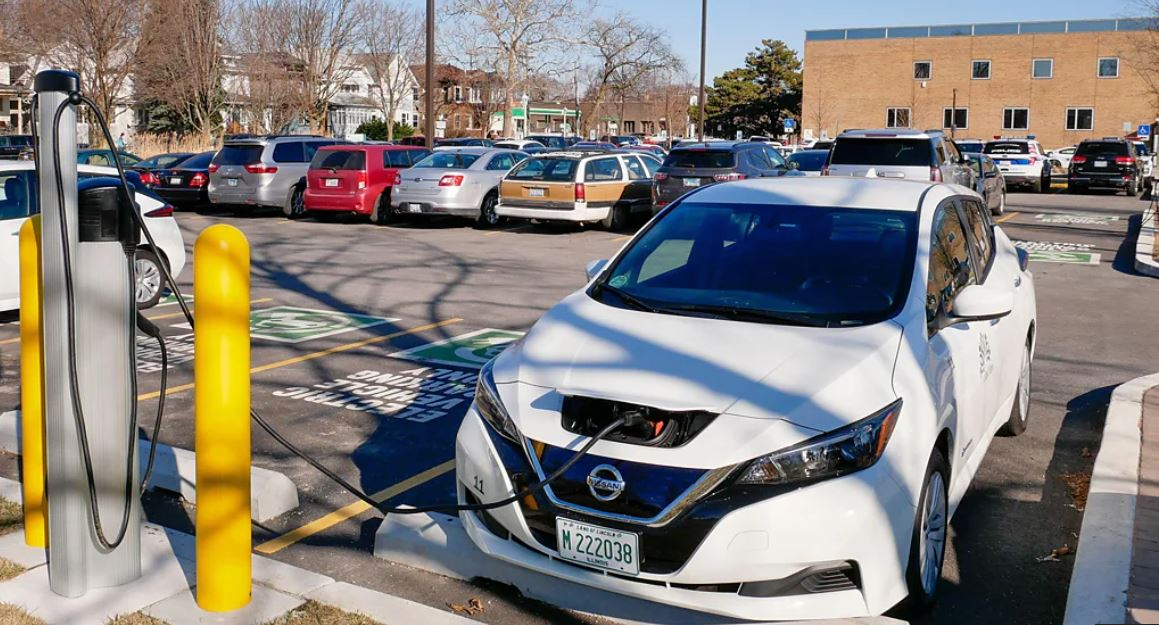 |
An electric car refueling. Photo: Alamy |
Not only individual consumers, but organizations are also benefiting from the switch to electric vehicles. According to CleanTechnica, the Bargersville Town Police Department in Indiana saved approximately USD 6,885 per month in fuel costs after replacing its entire patrol fleet with 14 electric vehicles. If they had continued using gasoline cars, costs could have reached USD 7,650 per month, not including USD 1,190 for routine oil changes every two months. The town's Police Chief stated that electric vehicles experience fewer breakdowns, reducing garage time and easing the local budget. "If we went back to gasoline vehicles, we would have to spend an additional USD 100,000 per year," he said.
The latest report from Consumer Reports (CR) indicates that electric vehicle fuel costs are, on average, about 60% lower than those for gasoline cars. Over the first 7 years of ownership, drivers can save up to USD 4,700. The organization also estimates that the total cost of owning an electric vehicle (including fuel, maintenance, and repairs) is often significantly lower compared to internal combustion engine vehicles in the same segment.
The economic benefits of electric vehicles are not limited to the US. In Bangkok, Thailand, ride-hailing motorbike driver Chanjira Ruangchan told Nikkei Asia that switching to an electric vehicle became feasible due to a battery swapping station model. She rides an average of 120 km daily and stated that the cost to "charge or swap batteries" is only about USD 0,67 per day, one-third of the gasoline cost for a traditional motorbike. "It only takes me about two minutes to swap a battery and continue my journey. The cost is low, and I do not have to worry about my vehicle breaking down mid-route," she said.
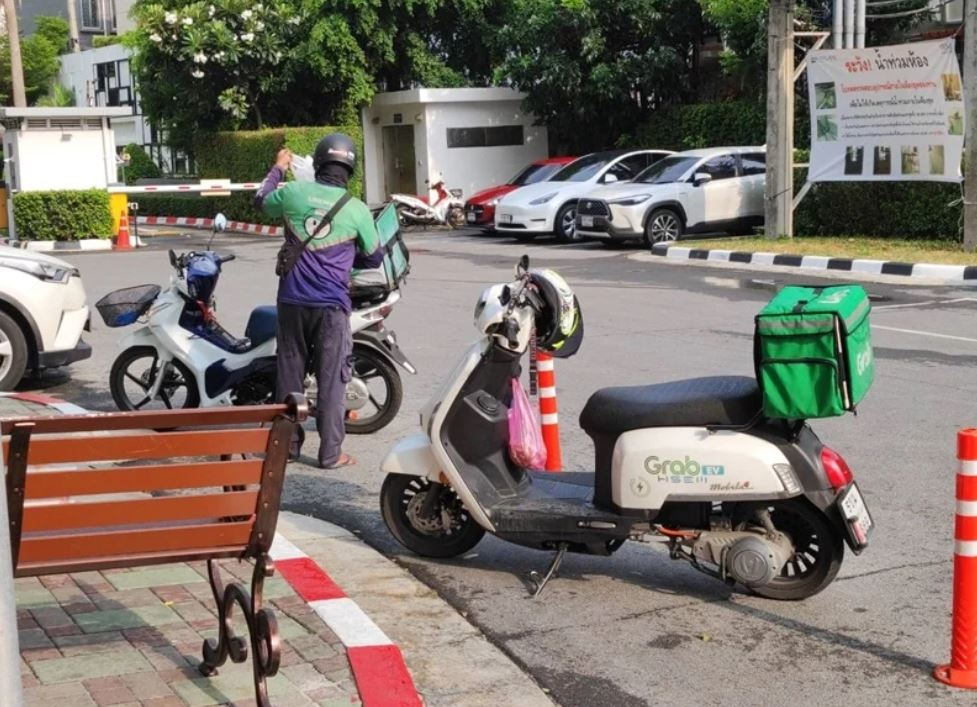 |
A ride-hailing driver in Thailand prepares for a food delivery order. Photo: Expatden |
In Vietnam, the trend towards electric vehicles is also growing stronger. Nguyen Tuan Anh, an office worker in TP HCM, shared that previously he spent nearly VND 1 million on gasoline each month. Since switching to an electric vehicle three months ago, his total charging costs have been less than VND 300,000, saving more than half.
These clear cost benefits are becoming a driving force for consumers to switch to electric vehicles. The growth rate is evident in VinFast's record sales of 147,450 vehicles in 11 months of 2025. Before that, the Vietnamese automaker had surpassed the 100,000-vehicle mark in just 9 months, a figure never before recorded in the Vietnamese automotive market.
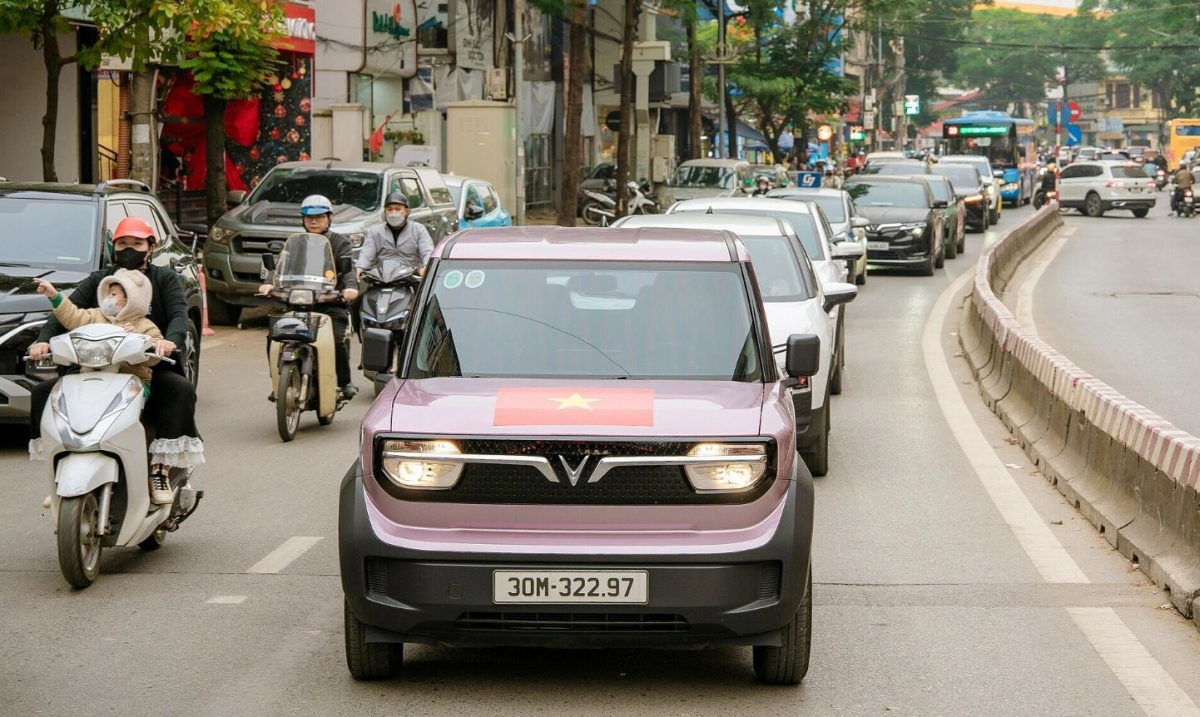 |
VinFast electric car on the streets of Hanoi. Photo: Tuan Vu |
Specifically for the electric motorbike segment, the company delivered over 120,000 electric motorbikes and electric bicycles in Q3 2025, with cumulative sales reaching 234,536 vehicles in the first 9 months, leading the Vietnamese market. The company aims to sell approximately 1,5 million electric motorbikes in 2026.
Many international reports also note that Vietnam is entering its fastest growth phase since the introduction of electric vehicles. According to Mordor Intelligence, the size of Vietnam's electric vehicle market reached approximately USD 3,12 billion in 2025 and could increase to USD 7,41 billion by 2030.
Consulting firm Deloitte forecasts that by 2030, the proportion of electric vehicles in total new car sales in Vietnam could reach 15-20% if infrastructure and policies are promoted in a timely manner.
Thai Anh