On the afternoon of 9/4, Prime Minister Le Minh Hung reported to the National Assembly on the implementation of the socio-economic development plan for the first months of 2026 and the 5-year plan.
According to the Prime Minister, the global and regional situation continues to change rapidly and complexly, especially with policy adjustments by many nations and escalating military conflicts. Concurrently, gasoline and oil prices have surged, and global economic growth is projected to slow.
This year, Vietnam aims for double-digit growth. He stated the government will mobilize and effectively utilize all resources to achieve this goal. Specifically, the government requires budget revenue to increase by 10%, save over 10%, and strive to save an additional 5% on recurrent expenditures. It will also expedite the resolution of long-standing stalled projects. Growth targets for each locality, corporation, and state-owned enterprise will be specifically assigned by the government in April.
"Resolutely, we will not allow economic instability or crisis to occur in any situation. The government will strengthen financial and budgetary discipline and implement contingency solutions to proactively respond to fluctuations," the Prime Minister said.
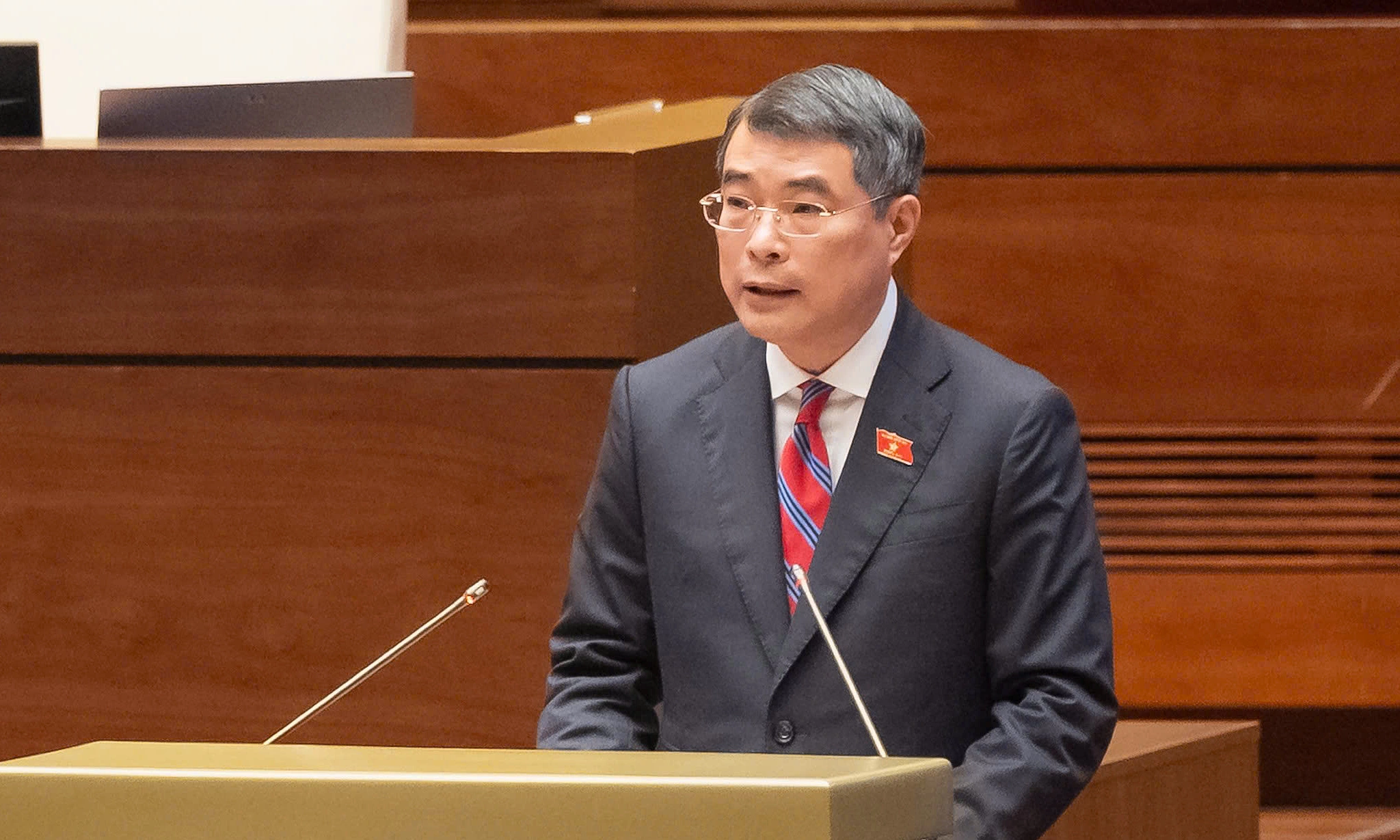 |
Prime Minister Le Minh Hung presented a report at the National Assembly session on the afternoon of 9/4. *Photo: National Assembly Media*. |
The Middle East conflict has significantly impacted the global energy market, including Vietnam, causing fuel prices to surge. The Prime Minister stated that Vietnam will ensure national energy security in both the short and long term, particularly for crude oil and natural gas supplies. He also called for increased energy conservation, ensuring no power shortages in any situation, and improving the operational efficiency of the power system.
According to the plan, the National Energy Reserve Strategy and the Project for Developing Industrial Infrastructure for Nuclear Energy Applications will be completed in Quarter III. Vietnam will establish a large-scale crude oil storage system to diversify and maintain stable supply for at least 90 days.
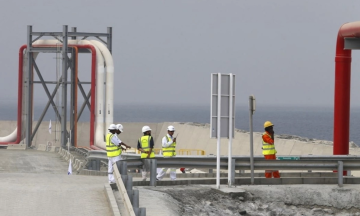
Currently, Vietnam does not have a separate national petroleum reserve. Reserves are stored at the facilities of major petroleum trading enterprises through contracts, with fees paid according to specified rates. This reserve level is only sufficient for about 7-10 days of consumption. Recently, the government assigned the Ministry of Industry and Trade to promptly work with foreign partners to immediately implement the construction of a strategic petroleum reserve in Nghi Son (Thanh Hoa).
From late February until now, domestic retail petroleum prices have undergone 15 adjustments. Currently, one liter of RON 95-III gasoline is 23,540 dong, and diesel is 32,960 dong. Previously, at one point, prices for these two fuels reached nearly 34,000 dong and 45,000 dong per liter, respectively.
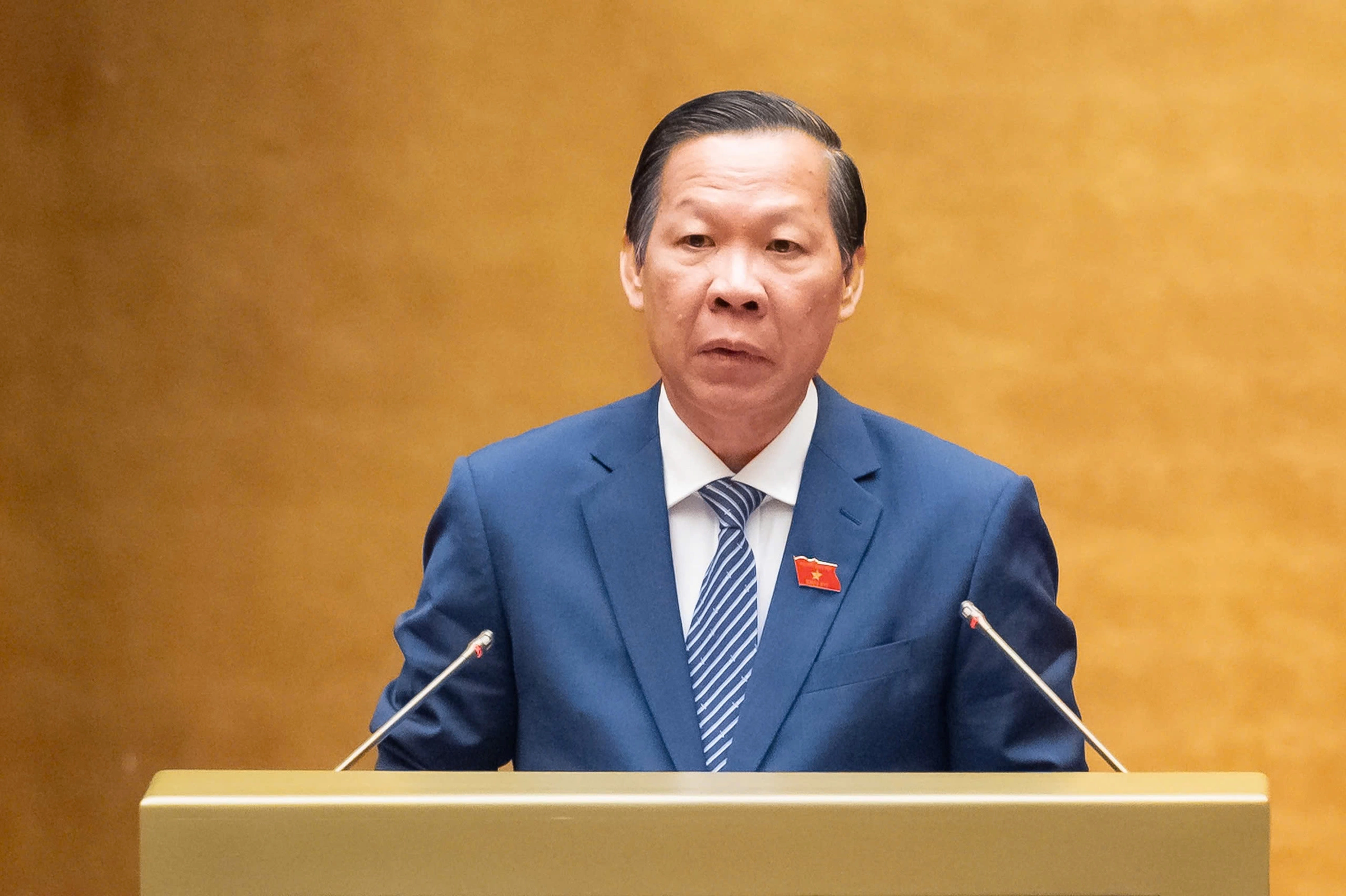 |
Phan Van Mai, Chairman of the Economic and Finance Committee, presented the verification report at the National Assembly session on the afternoon of 9/4. *Photo: National Assembly Media*. |
Regarding the development of new economic models, according to the Prime Minister, data exchanges, crypto assets, and digital assets will be piloted from Quarter III, after authorities review and supplement policies and development schemes.
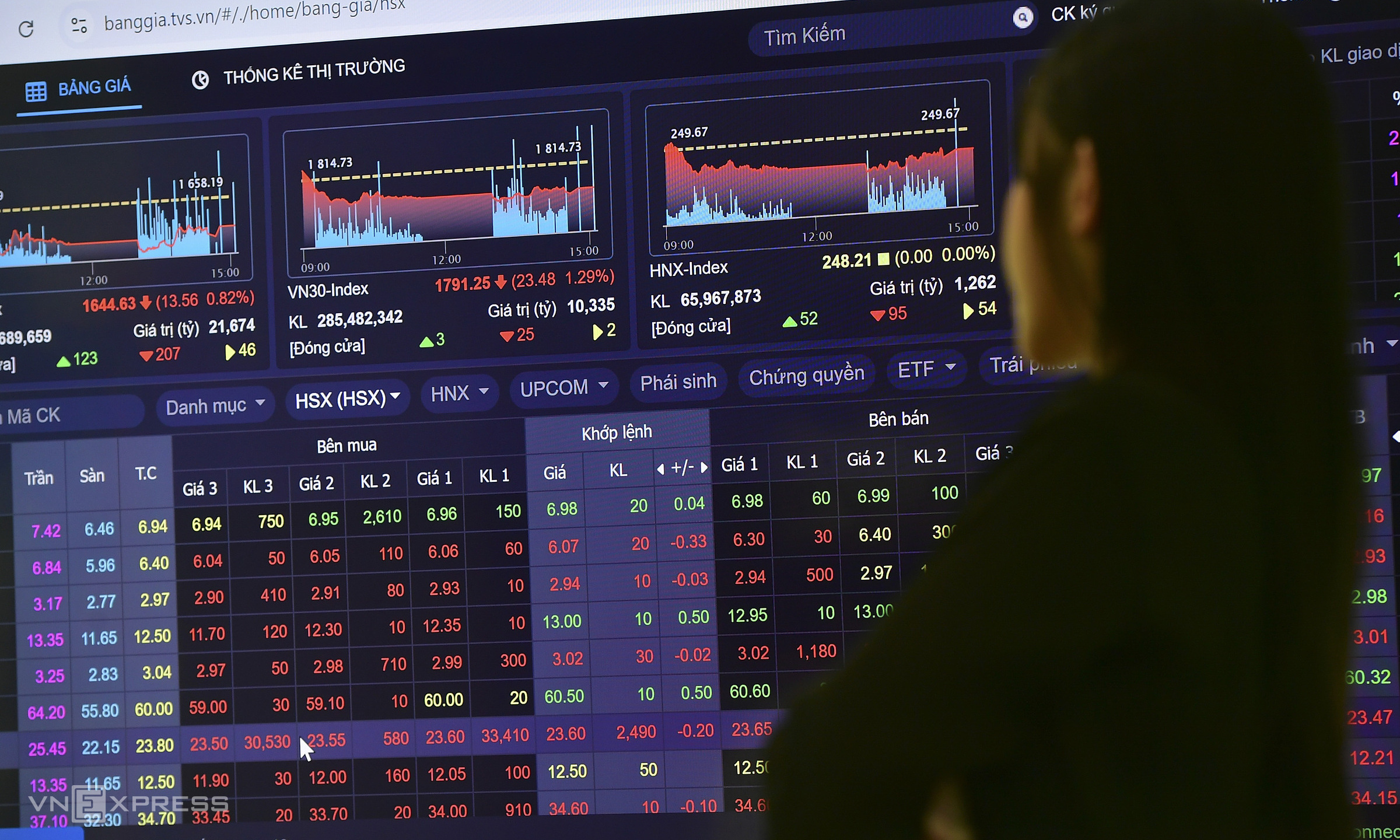
Key markets, including real estate, corporate bonds, and currency, must also be stabilized and strengthened. He stated that he directly instructed the Governor of the State Bank of Vietnam, requiring the agency to implement operational measures to stabilize deposit and lending interest rates.
In verifying the government's report, Phan Van Mai, Chairman of the Economic and Finance Committee, stated that domestic macroeconomic conditions are largely stable, but policy space remains limited, while external risks are increasing. According to Mai, the current context requires the government to enhance its forecasting capabilities and ensure more timely policy responses.
The verifying agency recommended that the government closely monitor the energy market and international tax and trade policies to promptly assess impacts and develop appropriate operating scenarios.
Anh Tu