The National Assembly is currently debating a draft resolution to significantly cut taxes on gasoline, oil, and jet fuel, with a key point of contention being the duration of these reductions. On the afternoon of 10/4, discussions centered on proposals for environmental protection tax, value-added tax (VAT), and special consumption tax.
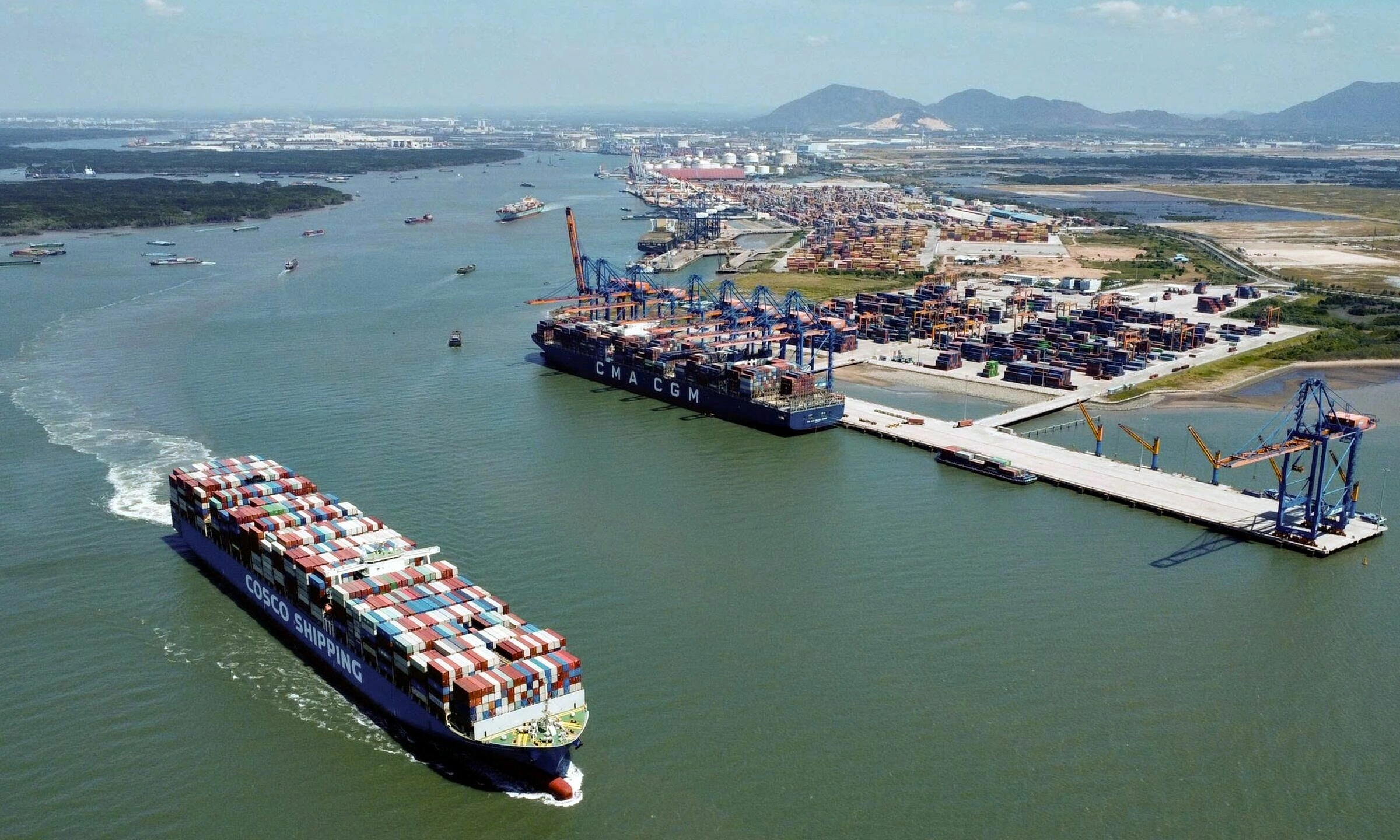
The government's submission proposes reducing the environmental protection tax on gasoline (excluding ethanol), diesel oil, jet fuel, kerosene, and mazut to 0 VND. Additionally, gasoline, diesel oil, and jet fuel would be exempt from VAT declaration and payment, while still allowing input tax deductions. A 0% special consumption tax rate is also proposed for all types of gasoline. This policy aims to support businesses and citizens affected by volatile global energy markets and rising domestic fuel prices, largely due to the Middle East conflict. Most delegates have expressed support for these measures.
However, Associate Professor Dr. Tran Hoang Ngan, while agreeing with the government's proposal, has urged the National Assembly to consider extending the resolution's application period. He recommends extending it until the end of this year, or at least until 30/9, rather than the government's suggested 30/6. Mr. Ngan highlighted that the draft resolution allows the Prime Minister to individually adjust its validity, but he believes this provision does not adequately ensure psychological stability for businesses and citizens. He argued that even if global oil prices decrease, fuel tax rates should not be adjusted. "We need to share the burden with citizens and businesses affected by the recent increase in fuel prices," Mr. Ngan stated.
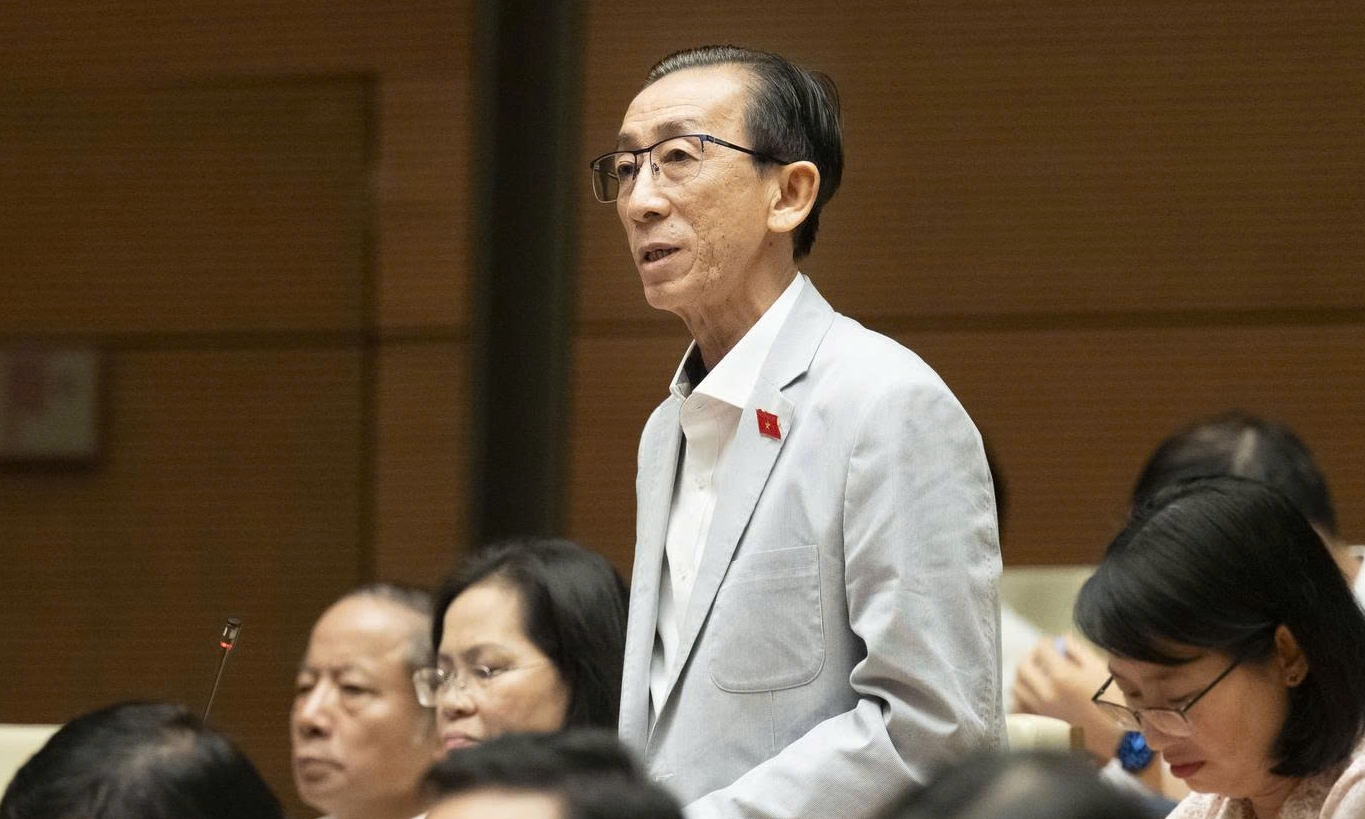 |
Associate Professor Dr. Tran Hoang Ngan speaking at the hall on the afternoon of 10/4. Photo: National Assembly Media |
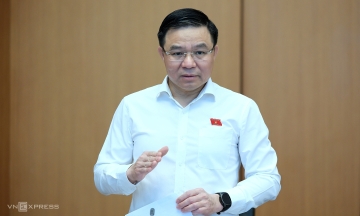
Conversely, Nguyen Minh Son, Vice Chairman of the National Assembly's Economic and Financial Committee, presented a differing view on the application period. Mr. Son pointed out that, according to the government's submission, the tax reduction is expected to impact budget revenue by 7,300 billion VND per month. Over the proposed 2,5 months of application, this would total approximately 18,250 billion VND. Furthermore, if an additional 8,000 billion VND (an advance from the fuel price stabilization fund) is included, the total budget impact could reach approximately 26,250 billion VND. "This directly impacts development investment, public investment, social welfare programs, increases public debt pressure, and affects long-term growth," Mr. Son explained. He therefore supported authorizing the Prime Minister to issue individual decisions based on the actual situation.
In response, Mr. Tran Hoang Ngan reiterated the high expectations businesses and citizens have for a Resolution. He stressed that legal provisions require stability and should be extended. He illustrated the impact with an example of a meal price increasing by 50% due to rising fuel costs. "We haven't seen inflation (CPI) change yet because the lag for external impacts to reach Vietnam takes more time. Therefore, psychological stability and price control are crucial," he shared. Mr. Ngan also noted that in Quarter I, budget revenue reached 823,000 billion VND, an increase of more than 80,000 billion VND compared to the same period last year. He suggested this surplus could be used to subsidize fuel prices, thereby "reducing hardship for citizens and businesses."
The National Assembly is scheduled to vote on the draft Resolution concerning environmental protection tax, VAT, and special consumption tax for gasoline, oil, and jet fuel on the morning of 12/4.
Anh Tu