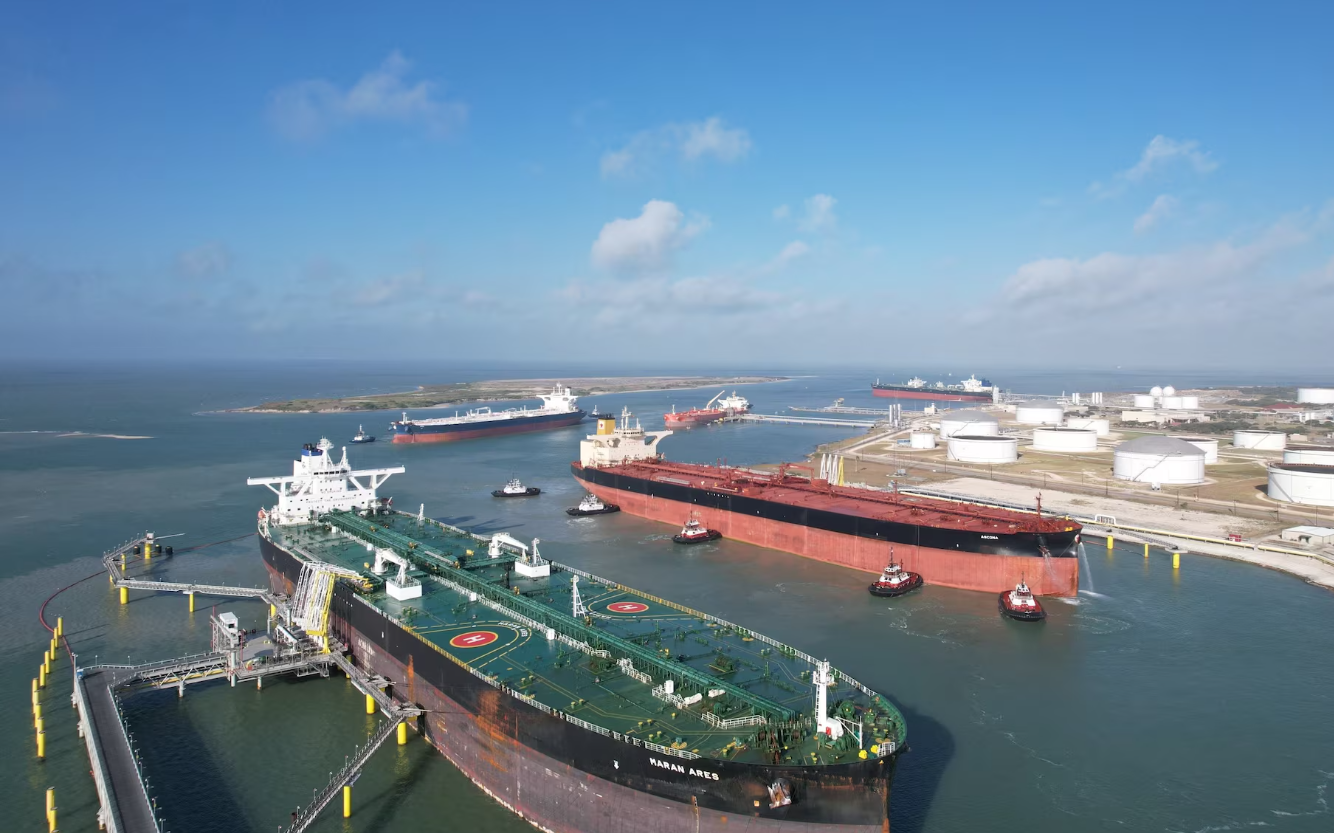
Russia's oil and gas revenue surged to 700 billion ruble (9 billion USD) in April, a twofold increase from March's 327 billion ruble. This represents a 10% rise compared to the same period in 2025. The Kremlin's budget relies on taxes from mineral extraction, with these figures based on official statistics and industry sources monitoring production, refining, and supply.
The Middle East conflict, which began six weeks ago, has significantly boosted demand for Russian oil, the world's second-largest exporter. Following US and Israel airstrikes in late February, Iran closed the Strait of Hormuz, a crucial waterway for approximately 20% of global oil and gas shipments. This closure caused Brent crude prices to soar, at one point exceeding 100 USD per barrel.
Russia's average Urals oil price, which determines tax calculations, climbed to 77 USD per barrel in March. This marks its highest level since October 2023, according to the country's Ministry of Economy data. The price increased 73% from 44,59 USD per barrel in February and surpassed the 59 USD per barrel assumption used in Russia's budget revenue plan for this year.
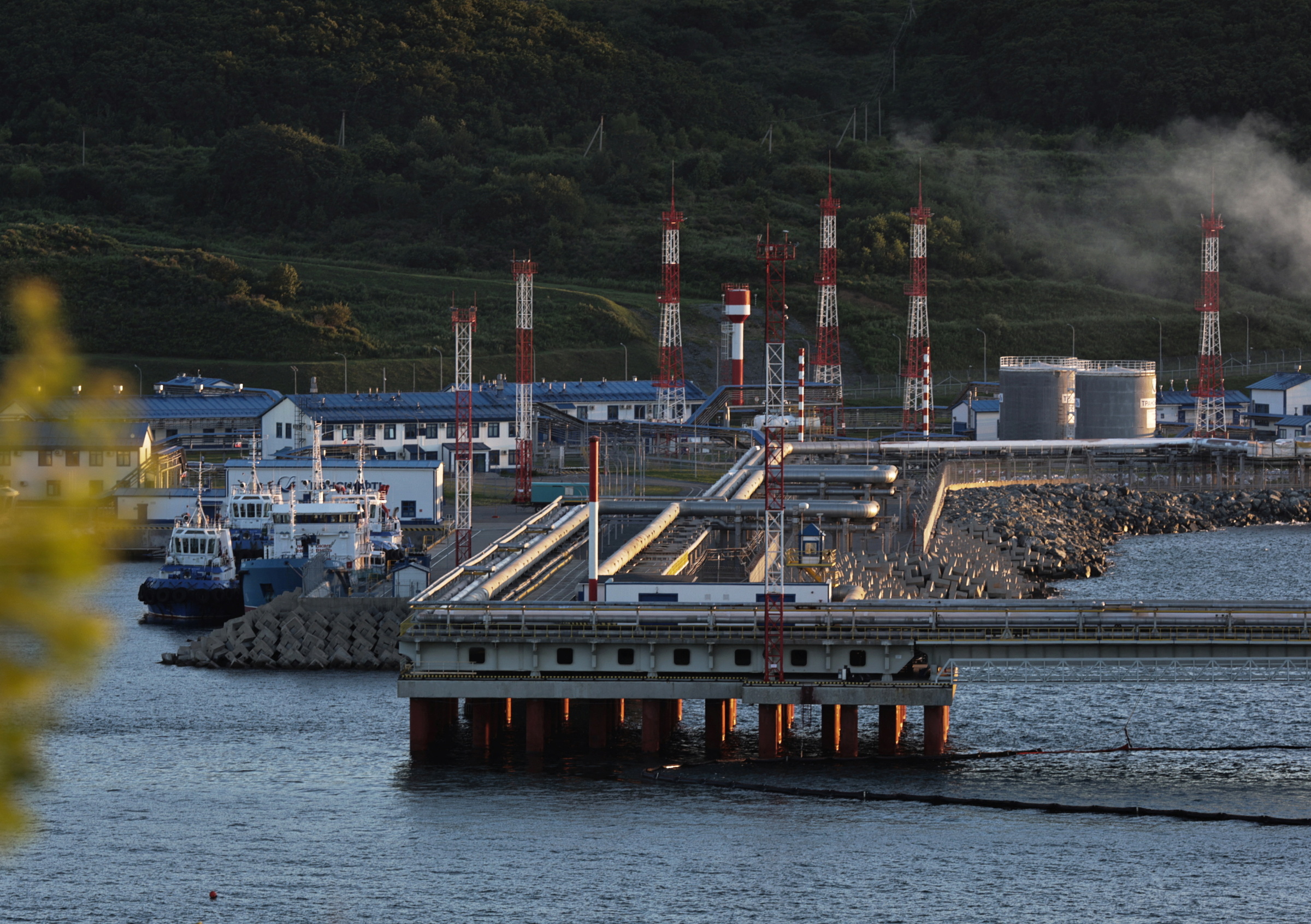 |
Kozmino oil and gas port in Nakhodka Bay, Russia on 12/8/2022. Photo: Reuters
To stabilize the global energy market, US Treasury Secretary Scott Bessent announced on 12/3 that the US would "temporarily allow countries to buy Russian oil while it was stranded at sea". This policy was in effect for 30 days, concluding on 11/4. By 7/4, the Kremlin reported widespread interest from partners in purchasing Russian oil amidst the ongoing global energy crisis.
Reuters estimates Russia's oil and gas revenue for the full year 2026 could reach 7,900 billion ruble, exceeding 100 billion USD. However, this growth trajectory is contingent on the duration of the conflict.
On the evening of 7/4 (morning of 8/4 Hanoi time), the US and Iran announced a ceasefire agreement and a two-week reopening of the Strait of Hormuz. This news initially caused Brent crude prices to fall sharply below 100 USD per barrel. However, subsequent conflicting statements from officials of both nations made the on-the-ground situation unpredictable.
Market skepticism regarding the agreement and concerns about continued restrictions on energy flow through the Strait of Hormuz led to a 3% increase in oil prices on 9/4. Brent and WTI crude are currently trading around 98 USD and 99 USD per barrel, respectively.
Susannah Streeter, an investment strategist at Wealth Club, cautioned that even if shipping resumes, risks would not immediately vanish. "Oil tankers could be forced to navigate waters with mines and increased military presence, leading to high insurance premiums and increased shipping costs", she stated. Goldman Sachs forecasts average Brent and WTI oil prices for Q2 to reach 90 USD and 87 USD per barrel, respectively.
Phien An (according to Reuters)