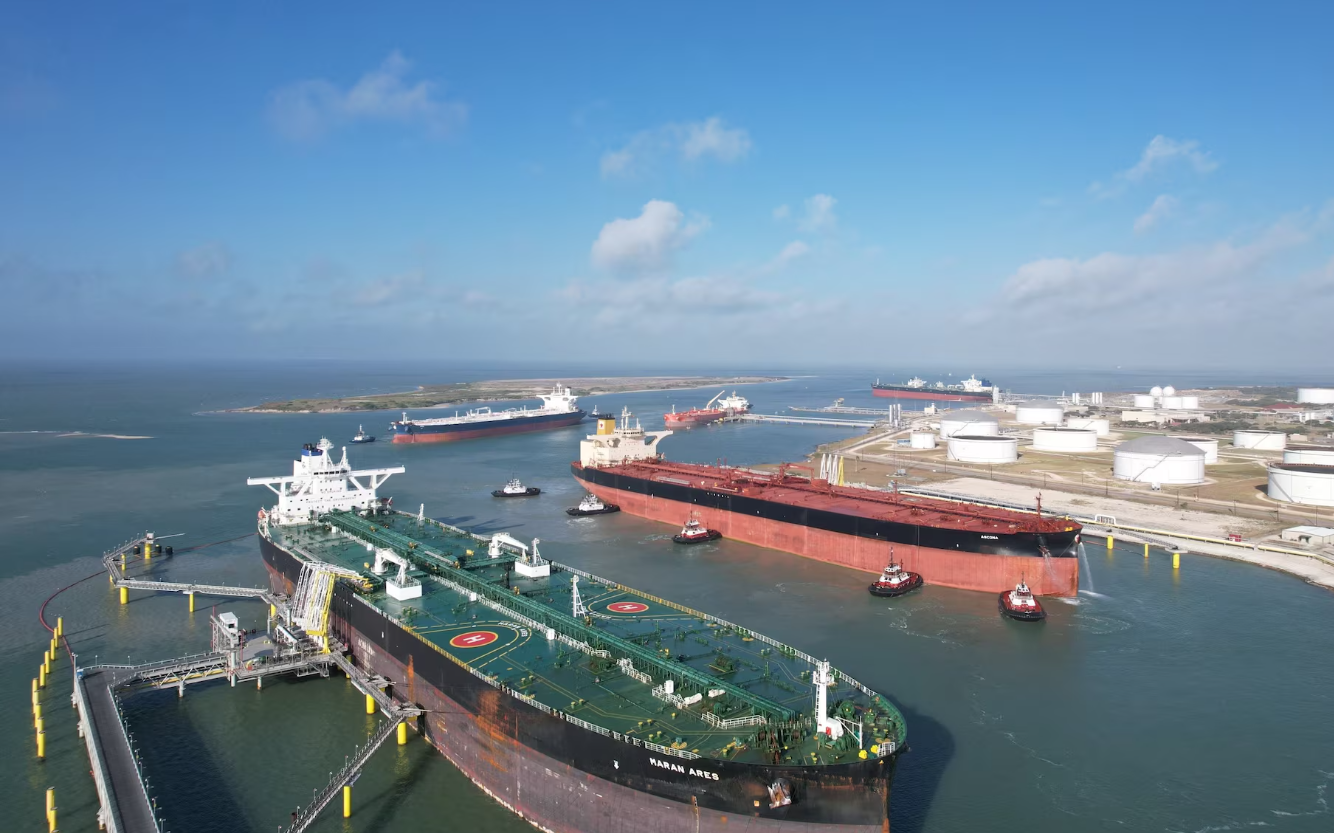
US Treasury Secretary Scott Bessent announced on 15/4 in Washington that the United States would not extend its temporary exemption policy allowing countries to purchase Russian oil transported by sea. "We will not extend the license for Russian oil," Bessent stated at a press conference.
This decision follows the US Treasury Department's announcement a day earlier that it would not extend a similar policy for Iranian oil.
On 12/3, Bessent had posted on X that the US was "temporarily allowing countries to buy Russian oil stuck at sea" for 30 days. He described this as a "short-term, narrow-scope" measure, applicable only to oil already in transit, and asserted it would "not provide major financial benefits to the Russian government."
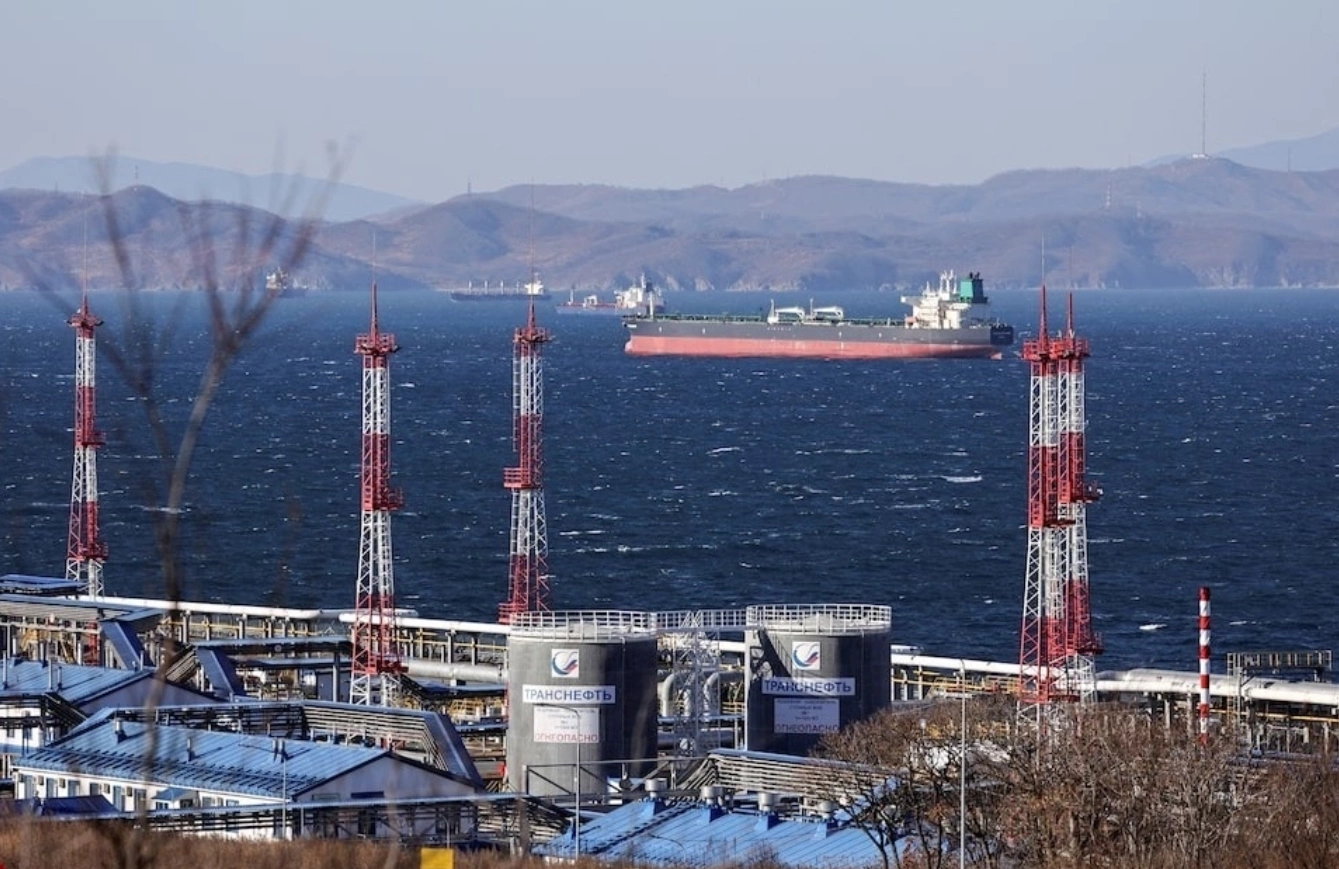 |
An oil tanker anchored in the port city of Nakhodka, Russia, in December 2022. *Photo: Reuters*
A week after the Russian oil announcement, the US also temporarily lifted sanctions on Iranian oil barrels loaded before 20/3, with that exemption effective until 19/4. Both temporary policies were implemented to ease supply shocks stemming from the conflict in the Middle East.
The US and Israel's attacks on Iran in late February prompted Tehran's retaliation, nearly blockading the Strait of Hormuz. This critical waterway carries about 20% of the world's crude oil and liquefied natural gas. The sudden tightening of supply drove prices higher, with crude oil briefly nearing 120 USD a barrel, a 4-year high. Prices currently hover around 90 USD, reflecting investor hopes for peace talks between the US and Iran.
On 7/4, the Kremlin reported significant interest from various partners in purchasing Russian oil. Reuters, citing official statistics and industry sources, calculated Russia's oil and gas revenue for April at 700 billion ruble (9 billion USD), doubling its March figure of 327 billion ruble.
Western countries have sanctioned Russian oil since 2022, following the outbreak of the conflict in Ukraine. The US, European Union (EU), and G7 nations banned imports of Russian crude oil and many oil products, also imposing a price cap to limit Russia's energy export revenue. Under this cap, Western insurance and shipping companies can only service Russian oil if its selling price remains below 48 USD. Oil tankers suspected of aiding Moscow in evading these sanctions have also been blacklisted.
Ha Thu (AFP)