The Ministry of Education and Training approved the list in early May. Ho Chi Minh City University of Technology, Vietnam National University Ho Chi Minh City, tops the list with nine engineering programs and six master's programs, spanning the fields of Life Sciences, Engineering, Manufacturing and Processing, and Architecture and Construction.
Universities with only one approved program include Ho Chi Minh City University of Economics, Hanoi National University of Education, Ton Duc Thang University, and VinUni.
According to the training standards for talented engineering and master's programs in STEM (science, technology, engineering, mathematics) issued by the Ministry of Education and Training in 9/2025, a talented engineering program requires at least 180 credits, 30 more than standard programs. Of these, at least eight credits must be completed through training at enterprises. For talented master's programs, students must complete at least 60 credits if they have graduated with a bachelor's degree in the same field.
The faculty must consist of at least 90% doctoral degree holders. Additionally, international lecturers must participate in the training process. Programs that do not meet these conditions will have their admissions suspended.
For students, the graduation thesis must be linked to a ministry-level research task or a research project in collaboration with enterprises in strategic technology fields, such as: ai, blockchain, 5g/6g mobile networks, cloud computing, robotics and automation, and semiconductor chips.
Detailed standards for talented engineering and master's training:
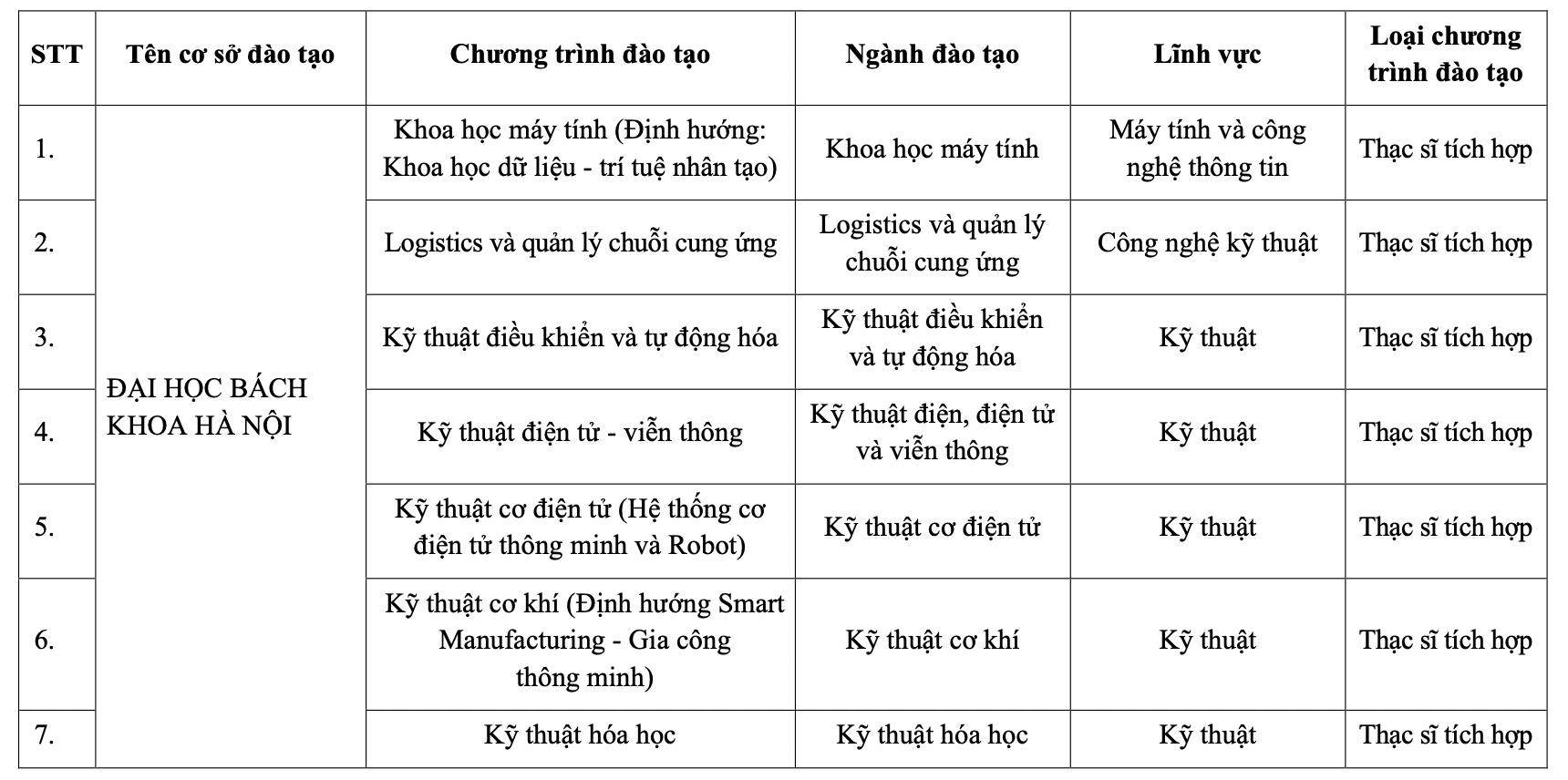
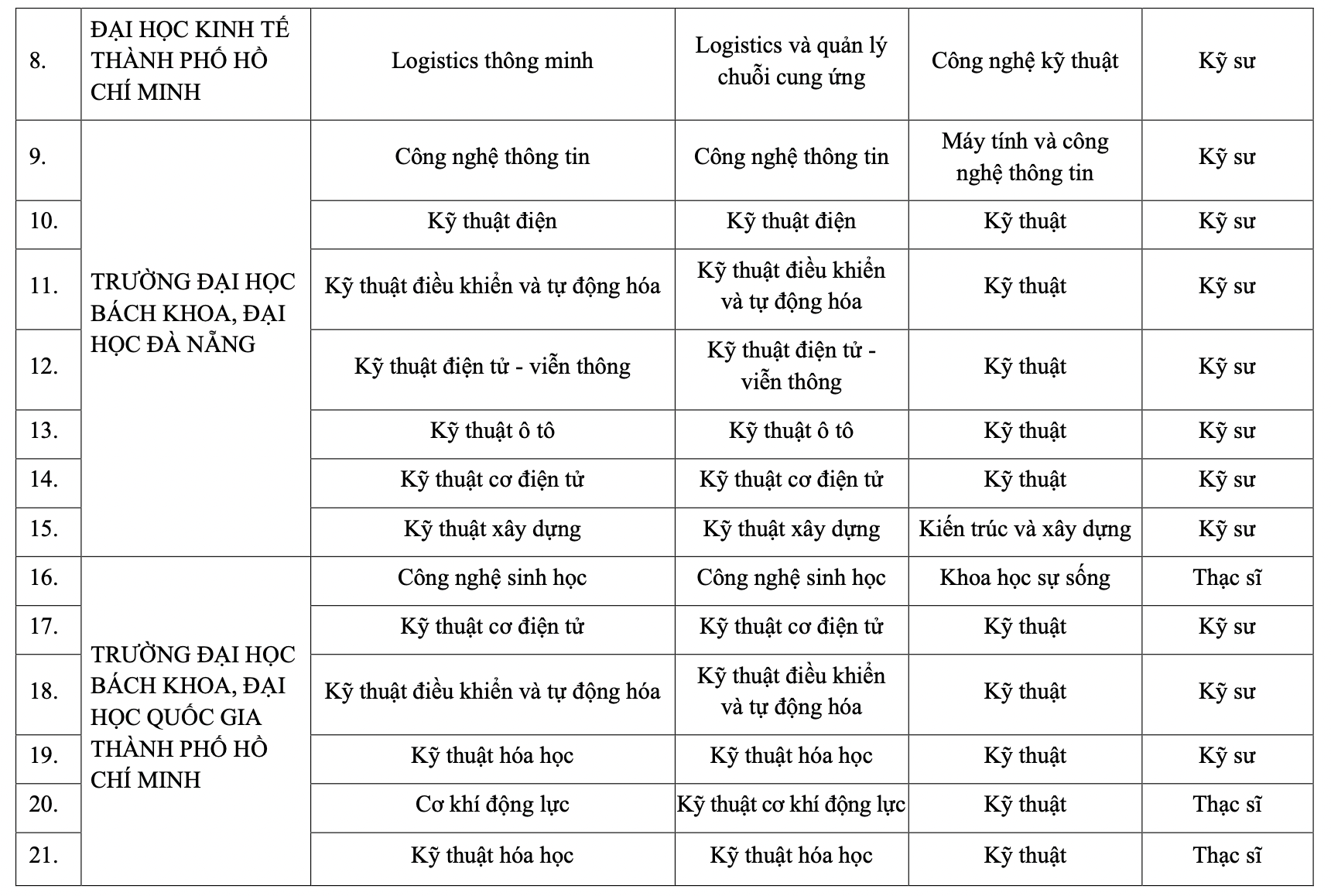
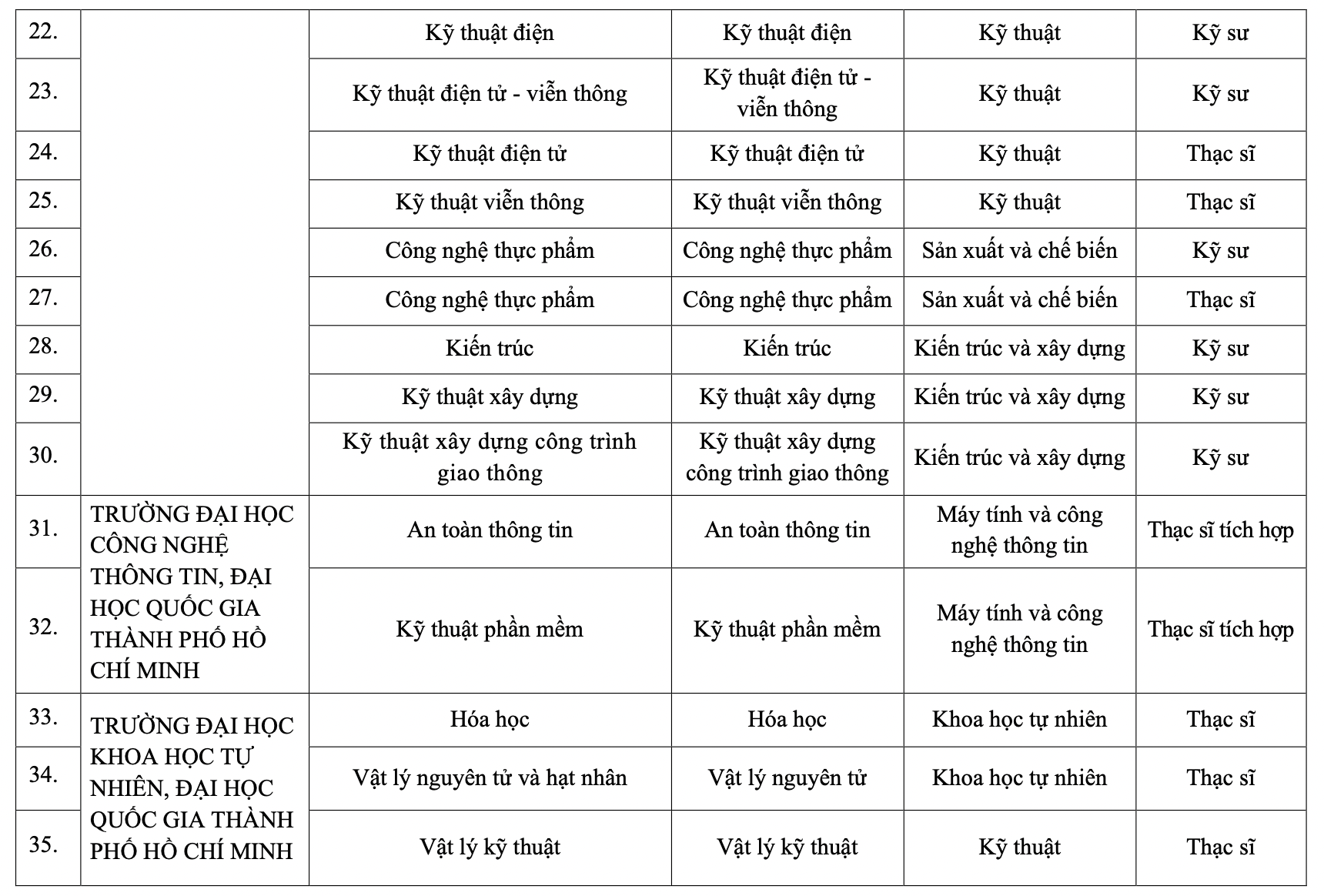
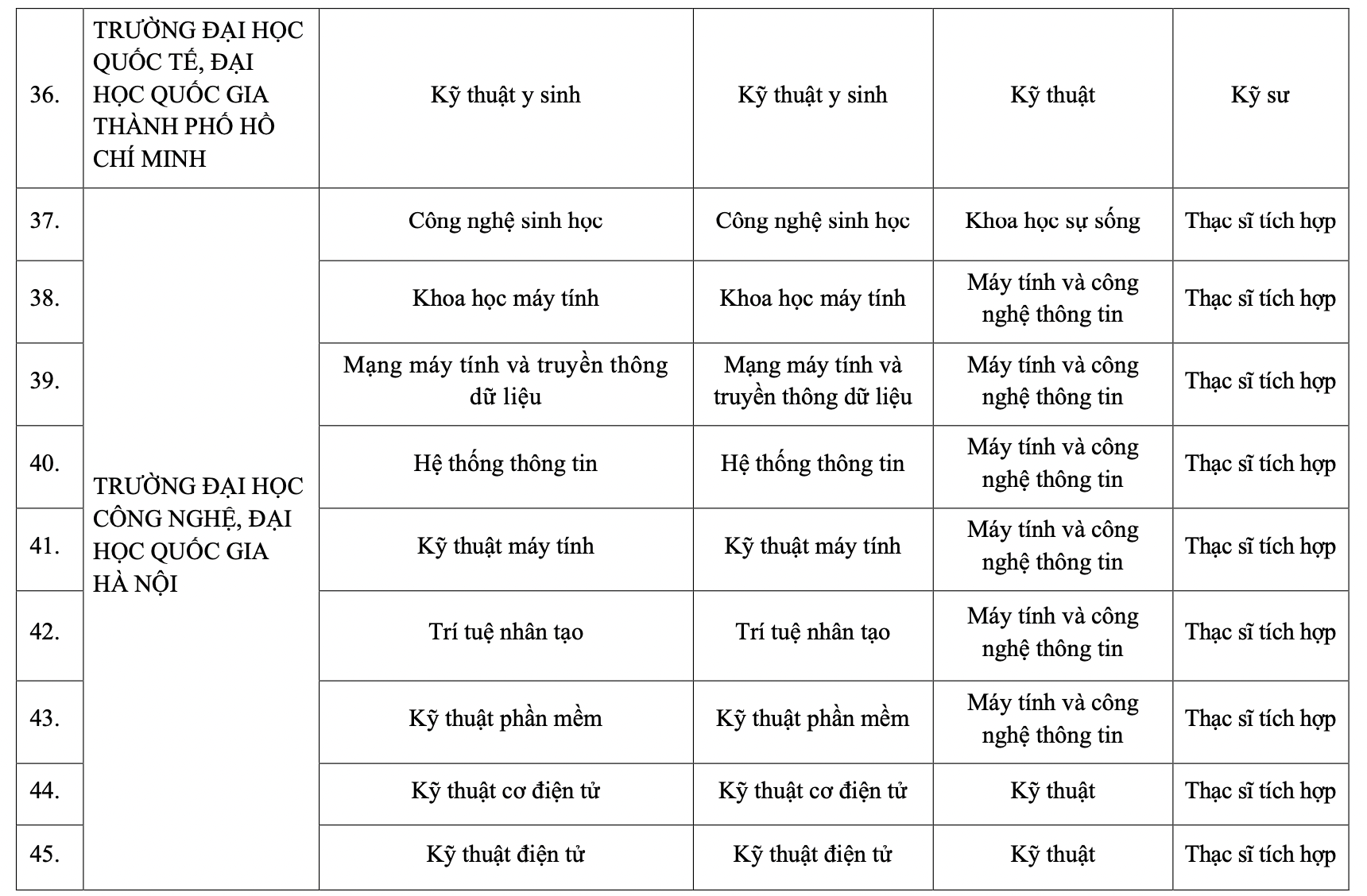
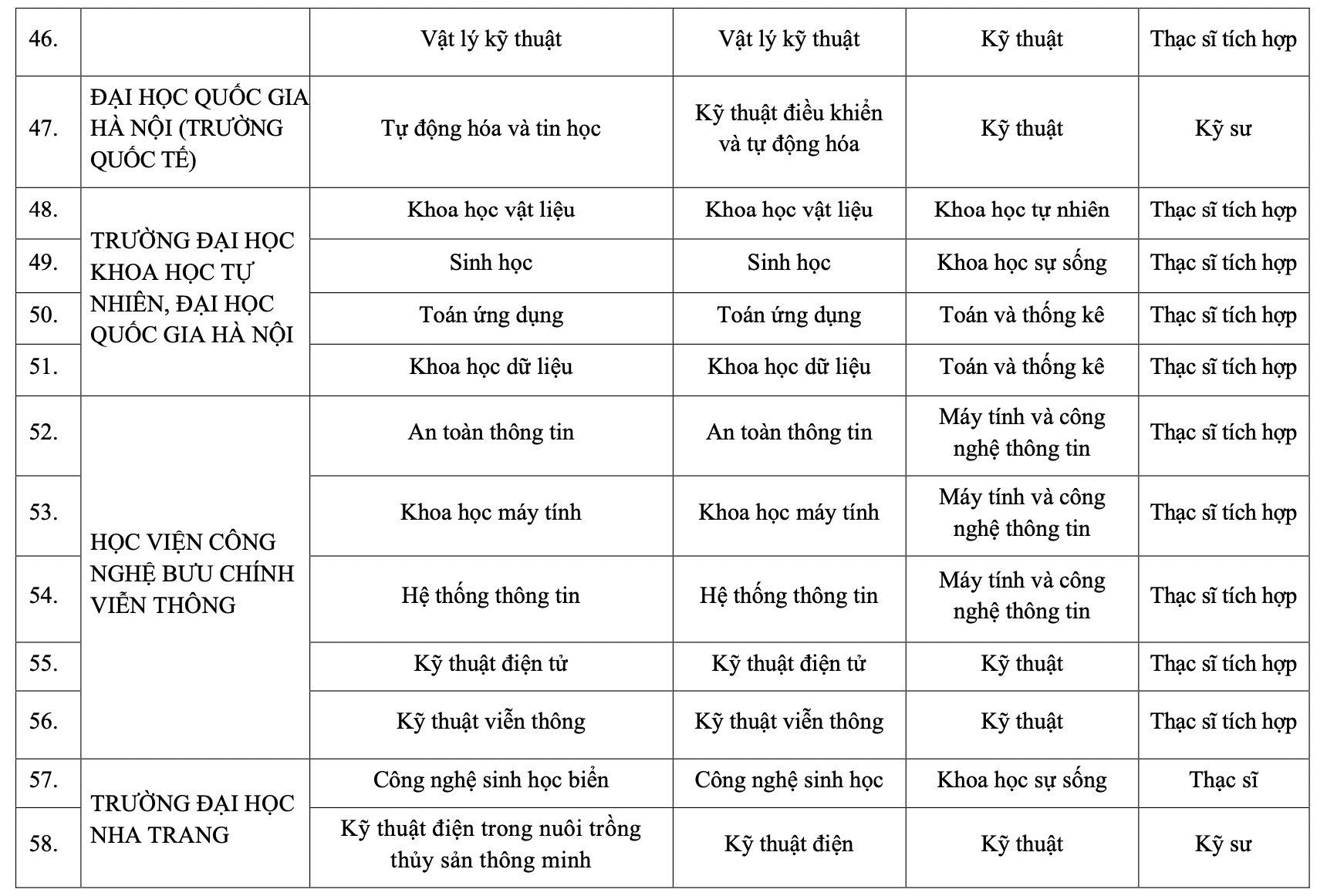
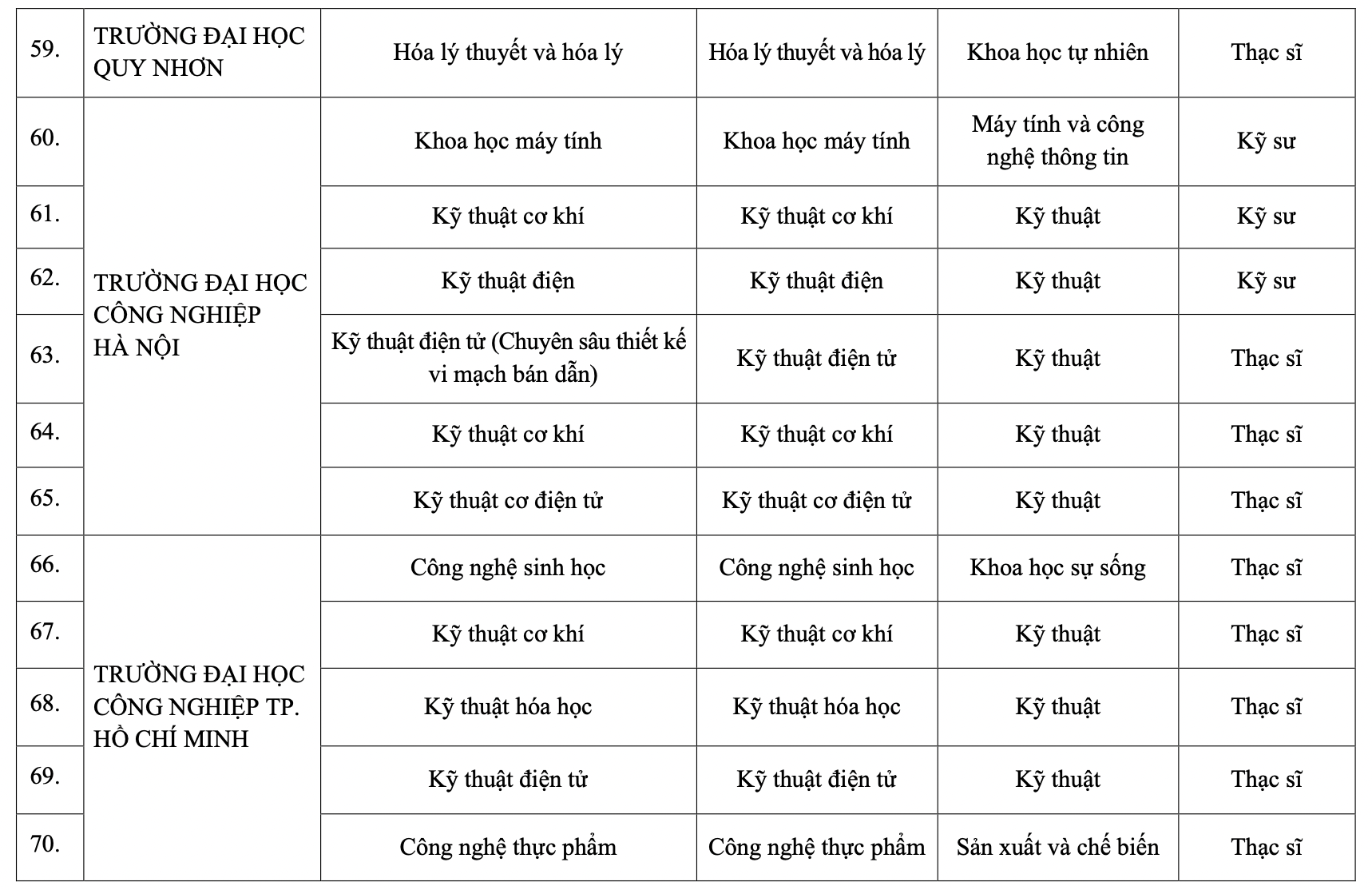
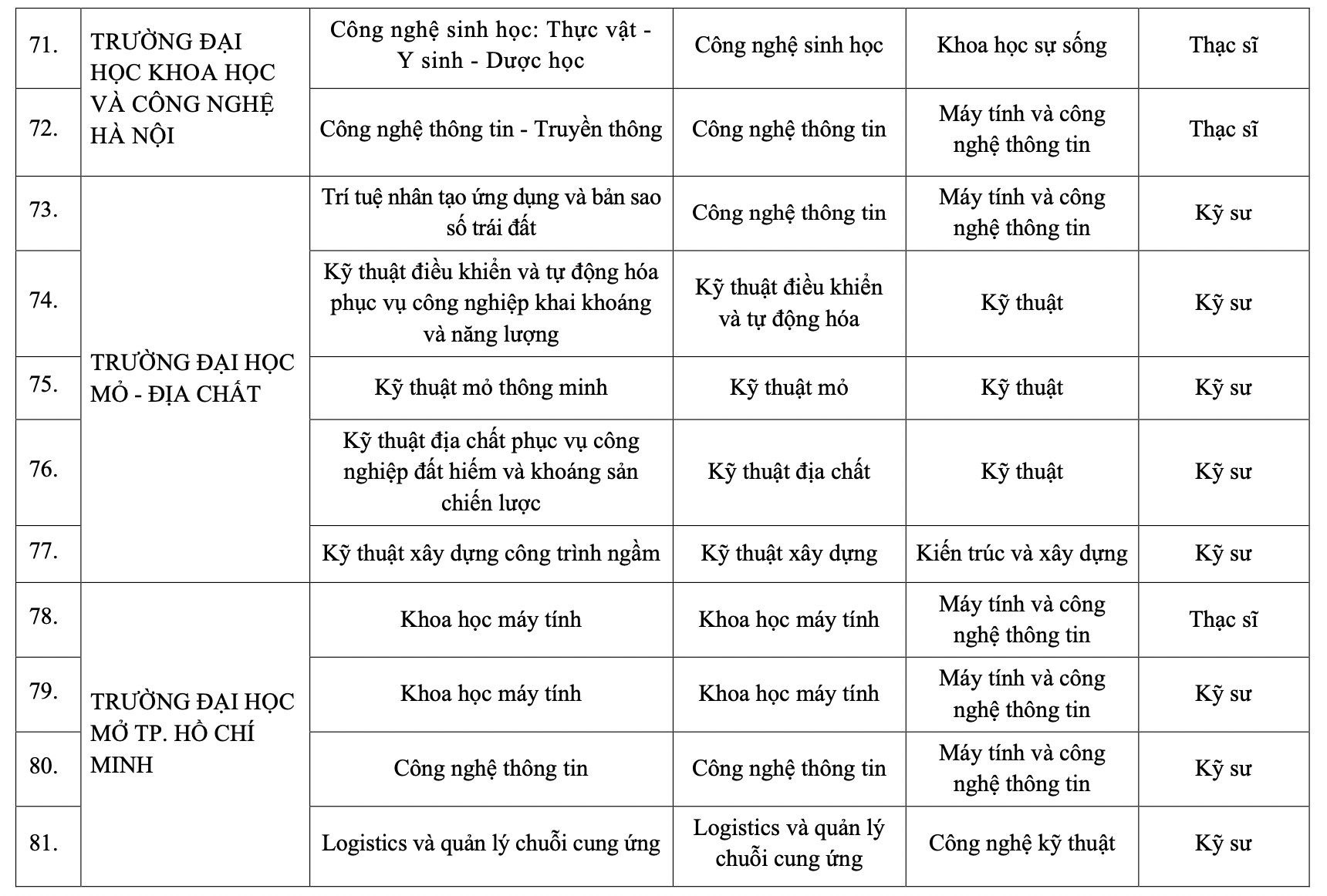
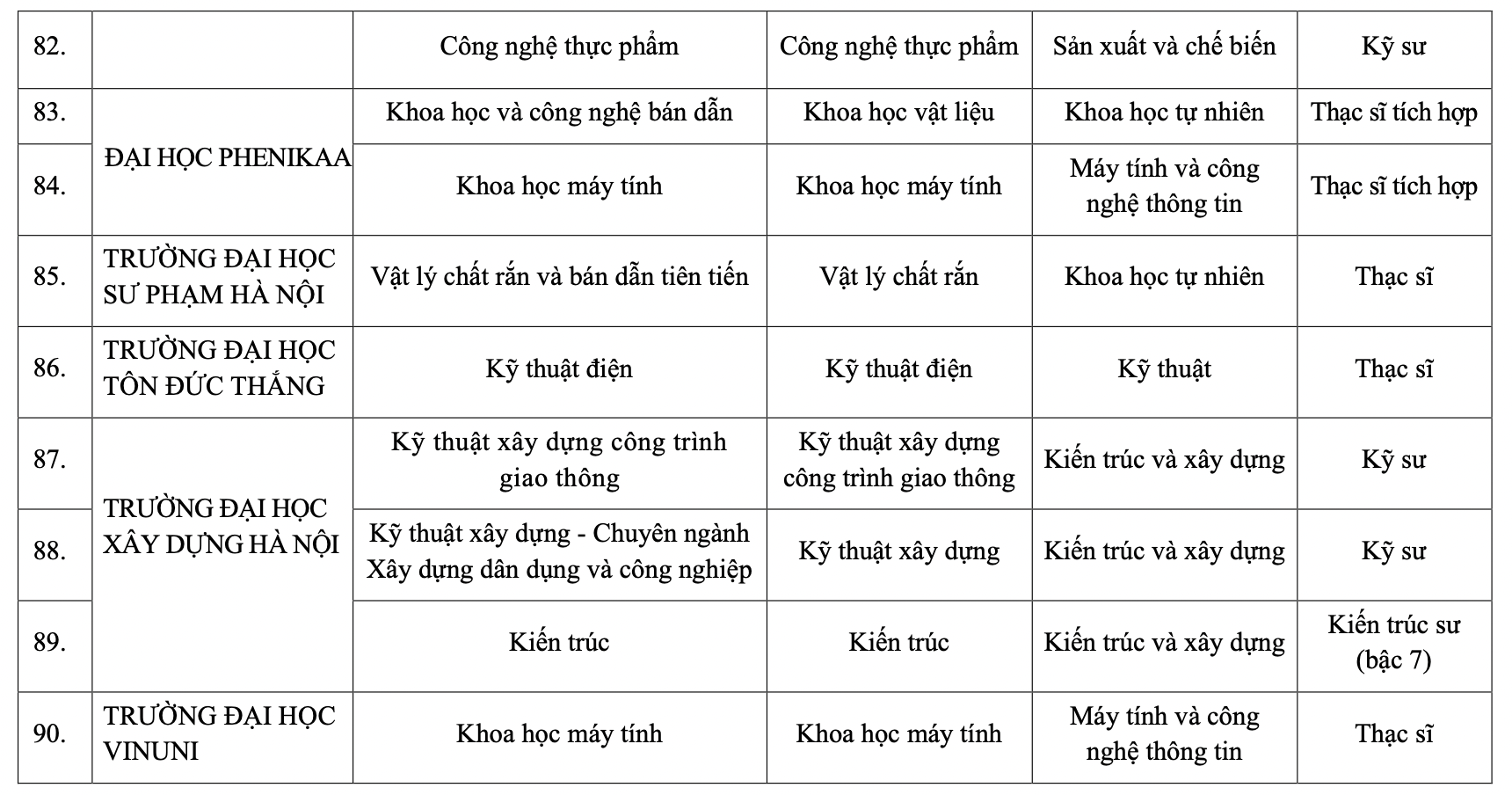
The list of 90 talented engineering and master's programs in STEM fields is as follows:
 |
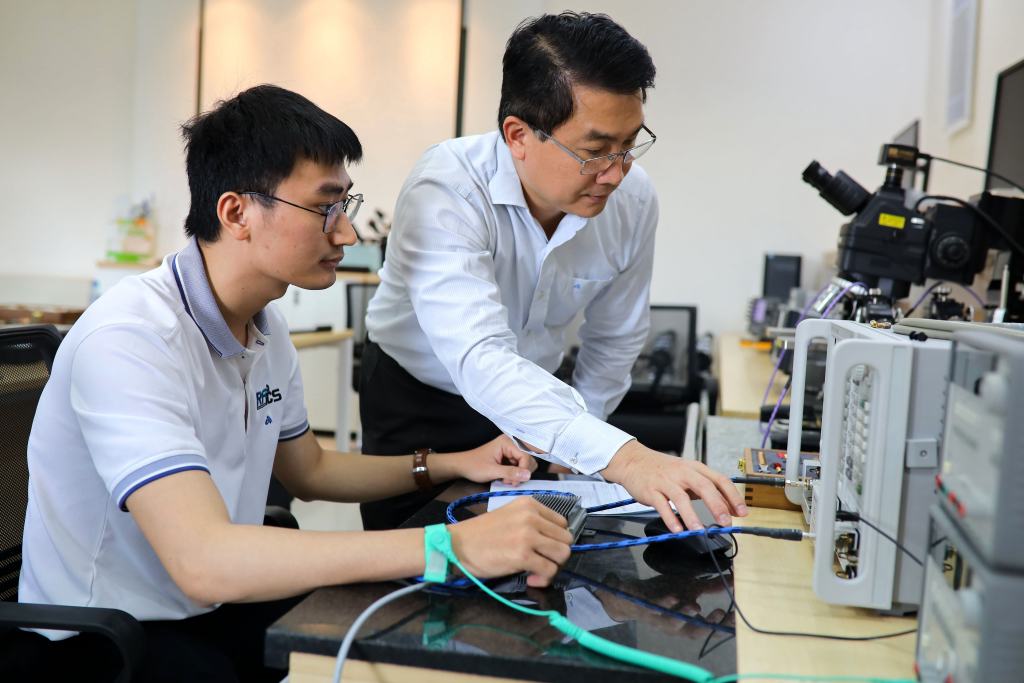
Lecturers and research students from Ho Chi Minh City University of Technology, Vietnam National University Ho Chi Minh City, conduct research at the Microcircuit and High-Frequency Systems Laboratory. *Photo: University website* |
 |
 |
 |
 |
 |
 |
 |
According to a project approved by the Government in 5/2025, one of the goals by 2030 is to have 35% of all students pursuing STEM majors, and to establish 100 talented engineering, master's, and 100 doctoral programs.
Universities will receive investment to upgrade laboratories and technology, creating conditions to attract skilled international lecturers. They will also gain greater autonomy in recruiting outstanding individuals for academic management positions, linked to professorship and associate professorship appointments. Meanwhile, students will receive tuition fee exemptions or reductions and prioritized, high-level scholarships.
 |
Duong Tam