On 12/4, the Ministry of Education and Training (MOET) announced Circular 26, which outlines professional standards for university lecturers, including 4 ethical standards.
A new requirement, compared to previous regulations, mandates that lecturers adhere to academic ethics, ensuring scientific integrity, honesty, and transparency in teaching, research, publication of results, and other professional activities.
This adjustment by the ministry comes amid ongoing social media debates surrounding scientific integrity and increasing pressure on lecturers to publish internationally.
Currently, rules regarding scientific integrity vary by institution. For example, the University of Social Sciences and Humanities, Vietnam National University Ho Chi Minh City, requires lecturers not to plagiarize, to properly acknowledge the contributions of all members to research products, and not to list other units on scientific publications.
Meanwhile, Hanoi University of Science and Technology prohibits lecturers from buying or selling research results in any form, copying or transforming others' ideas into their own, and fabricating research subjects, data, or scientific records.
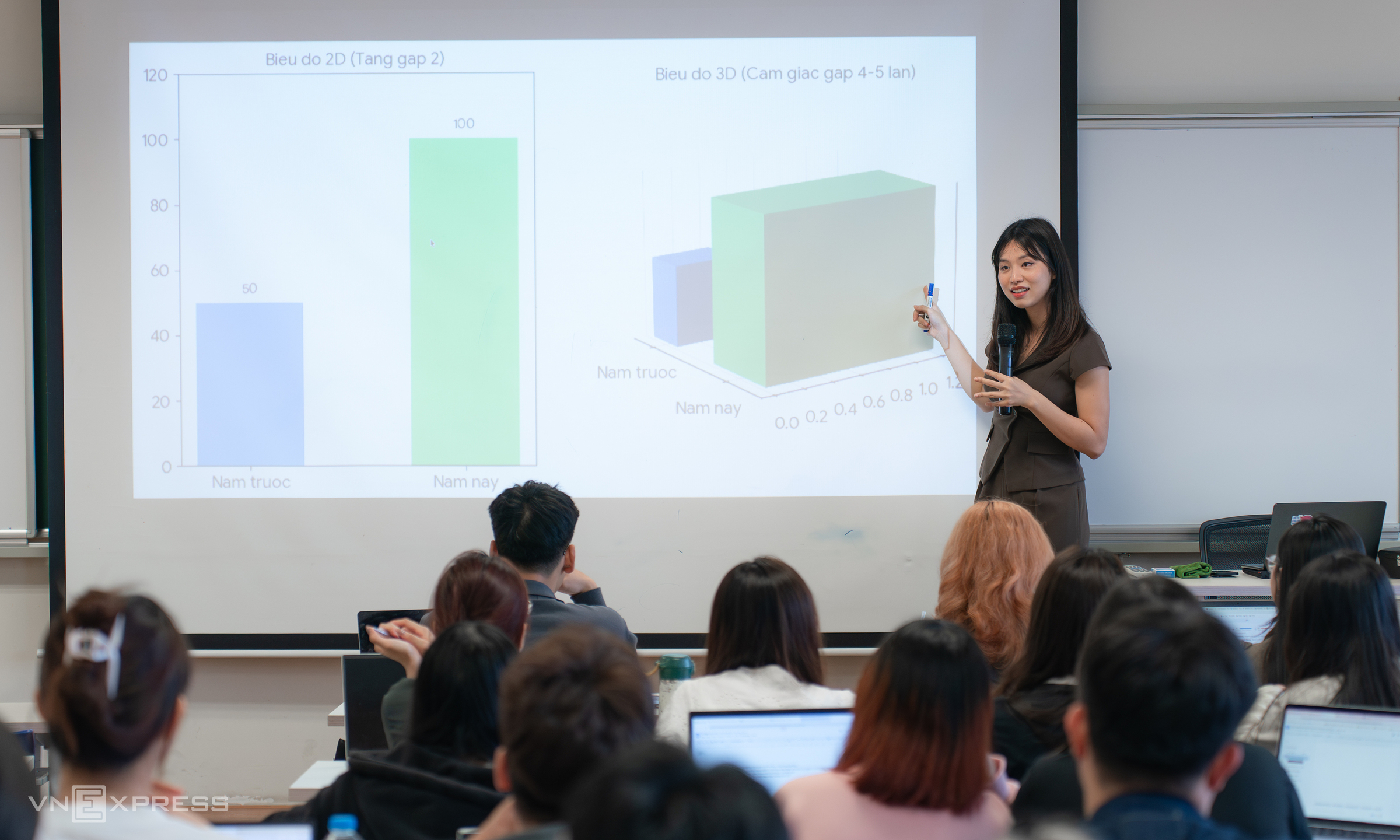 |
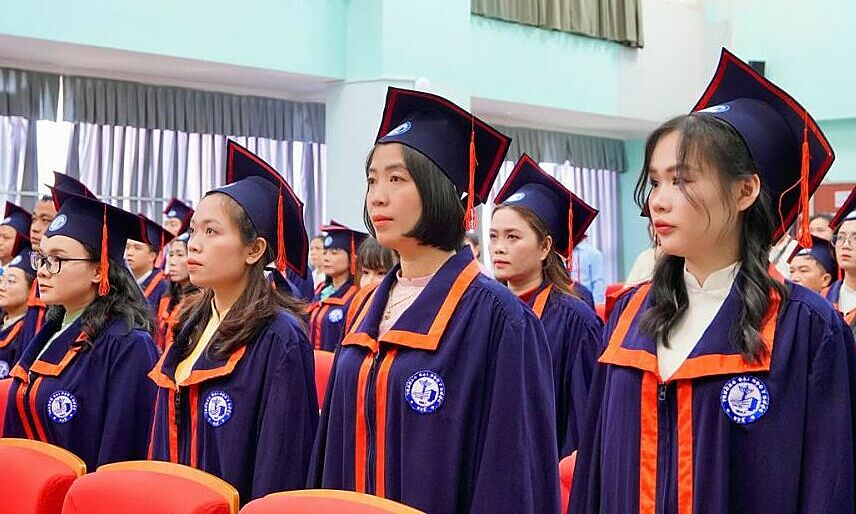
Students and lecturers at National Economics University during a class in March 2026. *Illustrative photo: Hoang Giang*.
Other regulations in Circular 26 require lecturers to maintain their moral character and ethics; respect and treat students fairly and appropriately; protect the legitimate rights and interests of learners, colleagues, and the community; be dedicated to their profession; be fair in assessment; and comply with internal regulations and legal ethical standards.
The new circular applies to both public and non-public lecturers, a change from its previous scope which only covered public institutions. According to the ministry, establishing these ethical and professional criteria will help universities more effectively arrange, assign, and evaluate lecturers, thereby enhancing the quality of training.
Thanh Hang