The British National Centre for Social Research published the results of its British Social Attitudes (BSA) survey on 2/6.
According to the survey, one-third of respondents agreed that a university education is no longer worth the investment of both time and money, nearly doubling since the last survey in 2018.
Conversely, the number of people disagreeing with this statement significantly decreased, from 46% to 22%. Public confidence in the return on investment or economic benefits of a university degree also reached a record low, dropping by 10% to 36%.
This marks the first time since 2005 that skepticism about the value of higher education has outweighed support.
Alex Scholes, research director at BSA, noted that several converging factors have shifted public attitudes. Key among these are a challenging job market, narrowing salary differentials, and the heavy burden of student debt.
According to data from the UK Parliament released in mid-May, the first Quarter of this year saw 729,000 young people (aged 16-24) unemployed, an increase of 110,000 compared to last year. The youth unemployment rate also reached 16,2%, a 2% rise.
The salary gap between young graduates and non-graduates also decreased from 35% to 24%, according to an April report by the UK National Institute of Economic and Social Research. Meanwhile, the government's decision to maintain the student loan repayment threshold, rather than raising it with inflation, is forcing students who borrowed for their education to bear thousands of pounds in additional debt.
"Recent debates about the fairness of the student loan repayment system, along with the impact of AI on the labor market, have significantly influenced public perception of the value of a degree", Scholes analyzed.
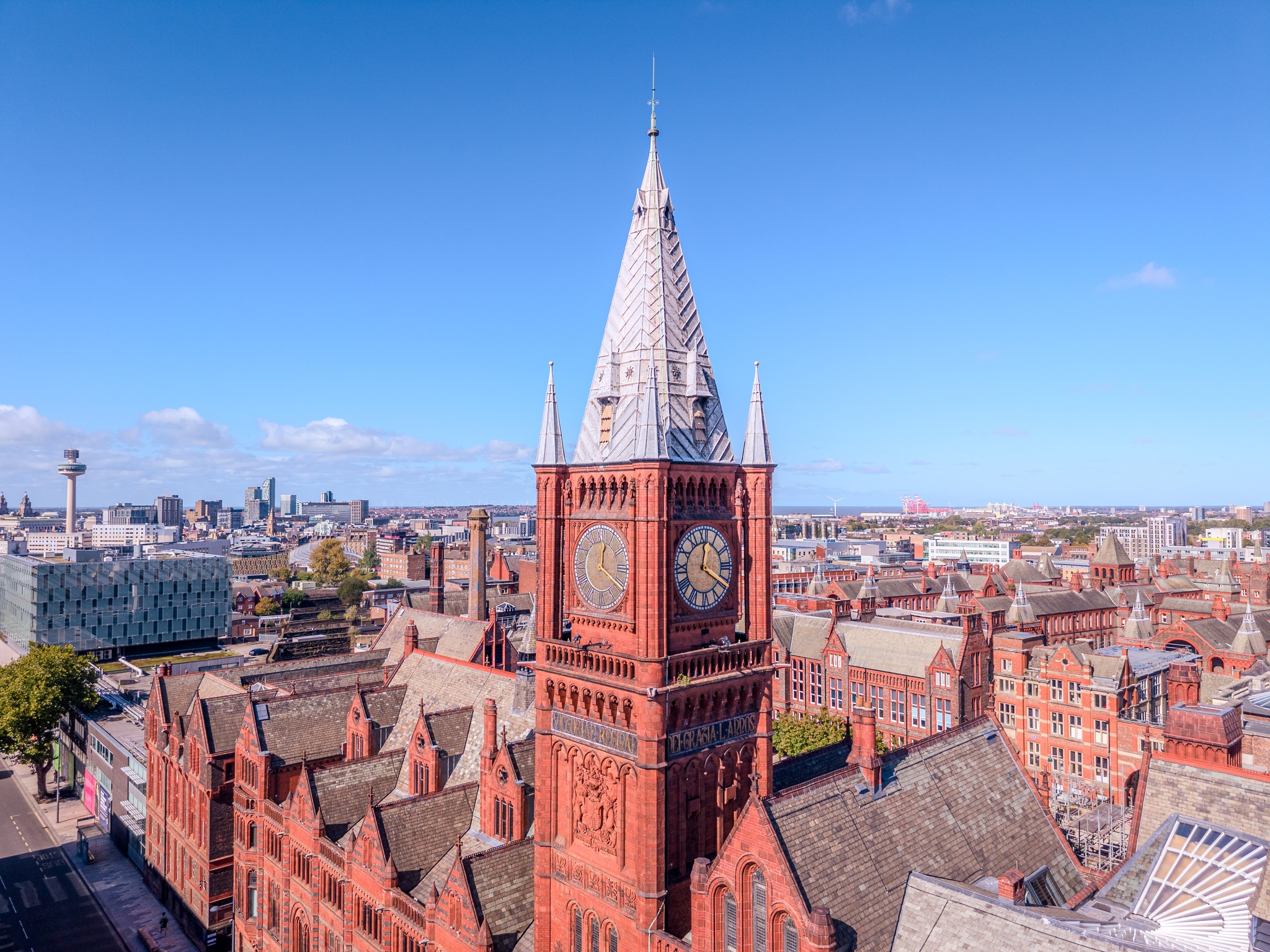 |
Victoria Building on the University of Liverpool campus. *Photo: University Fanpage* |
By Khanh Linh (According to Financial Times, UK Parliament)