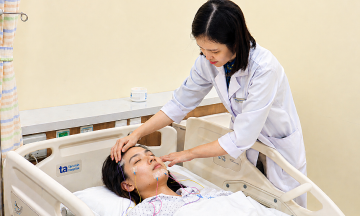
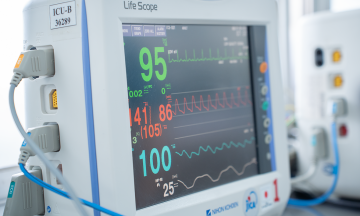
On 23/3, a representative from Ho Chi Minh City Hospital for Tropical Diseases announced that the patient was admitted to the Pediatric Emergency - Intensive Care - Anti-Poison Department in critical condition. She had close contact with a classmate who recently died, suspected of meningococcal infection.
Within hours of disease onset, the girl developed classic symptoms: high fever, vomiting, and severe headache. Her skin showed a distinctive "map-like" purpuric rash with dark patches and necrotic centers. Subsequent PCR tests and cerebrospinal fluid cultures confirmed the patient was positive for Neisseria meningitidis type B. Doctors diagnosed her with meningococcal sepsis and purulent meningitis.
Fortunately, the family rushed the patient to the emergency room within the first 12 hours of symptom onset. This timely medical intervention during the "golden hour" helped the girl avoid life-threatening complications such as multi-organ failure or septic shock. After three days of intensive treatment, her health stabilized, her fever subsided, she became alert, and her vital signs significantly improved.
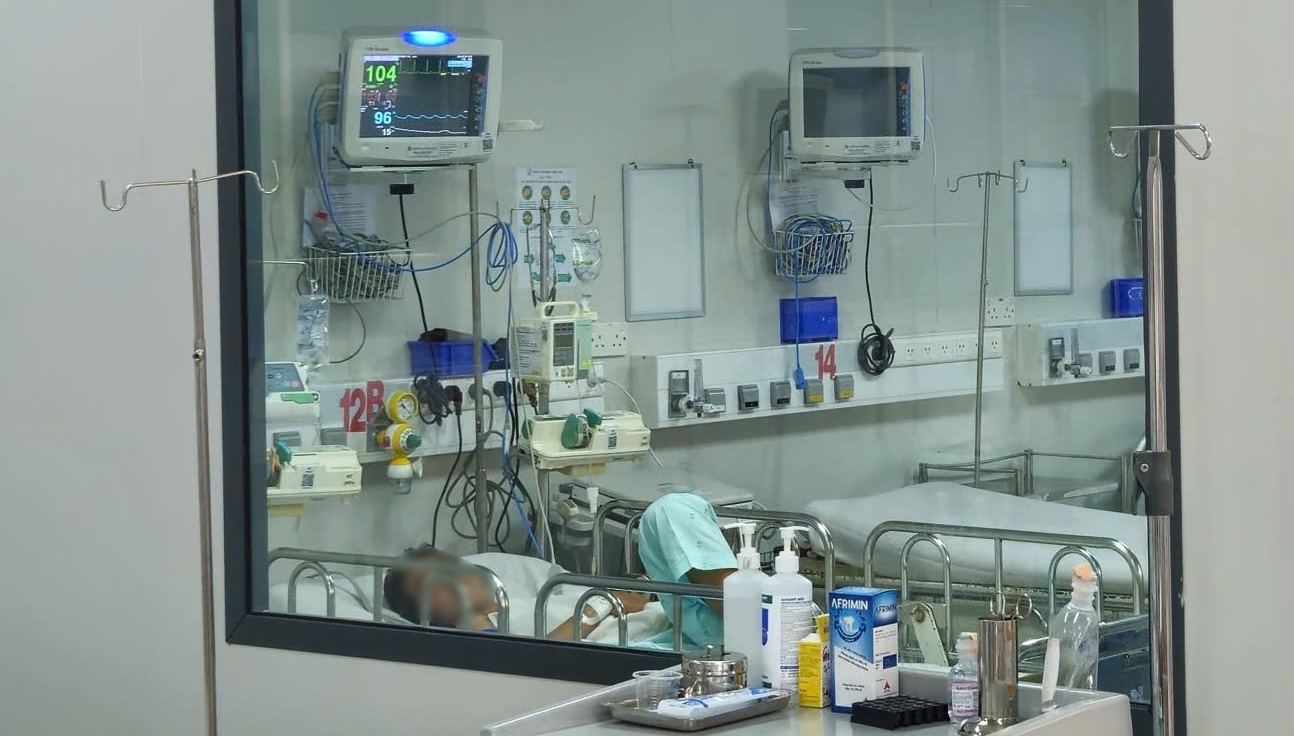 |
The patient upon admission to Ho Chi Minh City Hospital for Tropical Diseases. *Photo: Hospital provided*
Meningococcal infection spreads rapidly through the respiratory tract and can be fatal within hours of onset. Health authorities issued an urgent recommendation: close contacts of a case, such as classmates or household members, must take prophylactic medication, ideally within 24 to 48 hours.
Guidelines for prophylactic medications like Azithromycin and Ciprofloxacin are classified by age group and health status. In addition to taking medication, close contacts must closely monitor for unusual signs, including: fever, headache, or rash, to seek medical attention promptly. It is mandatory to proactively disclose epidemiological contact history to the examining doctor.
Vaccination is the most specific and effective method of disease prevention. Currently, Vietnam has a full range of vaccines to prevent five common disease-causing serogroups, namely groups B and ACWY, indicated for early childhood vaccination. Additionally, preventive measures are necessary, such as maintaining personal and environmental hygiene, wearing masks, hand sanitization, eating nutritious food, gargling with antiseptic solution, avoiding crowded gatherings, and not sharing eating utensils.
Le Phuong