The baby experienced intrauterine growth restriction and was weak at 35 weeks of gestation, necessitating a C-section at Tam Anh General Hospital, TP HCM, weighing 2,1 kg. Post-birth blood sugar screening revealed levels approximately three times lower than normal. Doctor Nguyen Minh Thanh Giang, from the Neonatal Center, stated that this dangerous level of hypoglycemia could impact the child's nervous system and brain.
The medical team encouraged active feeding to improve blood glucose levels, but subsequent blood sugar checks still showed unsafe levels. Additionally, during close monitoring to determine the cause of hypoglycemia, doctors discovered free fluid in the abdominal cavity, a distended stomach and bowel loops, and portal venous gas (indicating bacteria invading the intestines, causing tissue necrosis, producing gas, and traveling via veins to the liver).
Doctor Giang diagnosed the patient with severe necrotizing enterocolitis, warning that without timely treatment, there was a risk of bowel perforation and serious systemic infection. The baby had to stop enteral feeding and was switched to intravenous nutrition to allow the intestines to rest and recover from the injury.
Doctors inserted a gastric tube to drain inflammatory fluid accumulated in the abdomen and improve blood flow to the intestines. However, the drained fluid was dark red, a warning sign of gastrointestinal bleeding. The medical team conducted screening tests, confirming the patient had a coagulation disorder due to the infection.
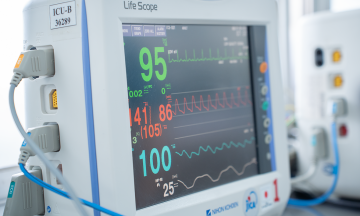
The baby received antibiotics, plasma transfusions, and continuous close monitoring of body temperature, respiratory rate, pulse, and oxygen saturation. 48 hours later, both white blood cell and platelet counts decreased, indicating a complex disease progression. Doctors escalated antibiotics according to protocol to control the infection. The baby also developed neonatal jaundice, which was treated with phototherapy.
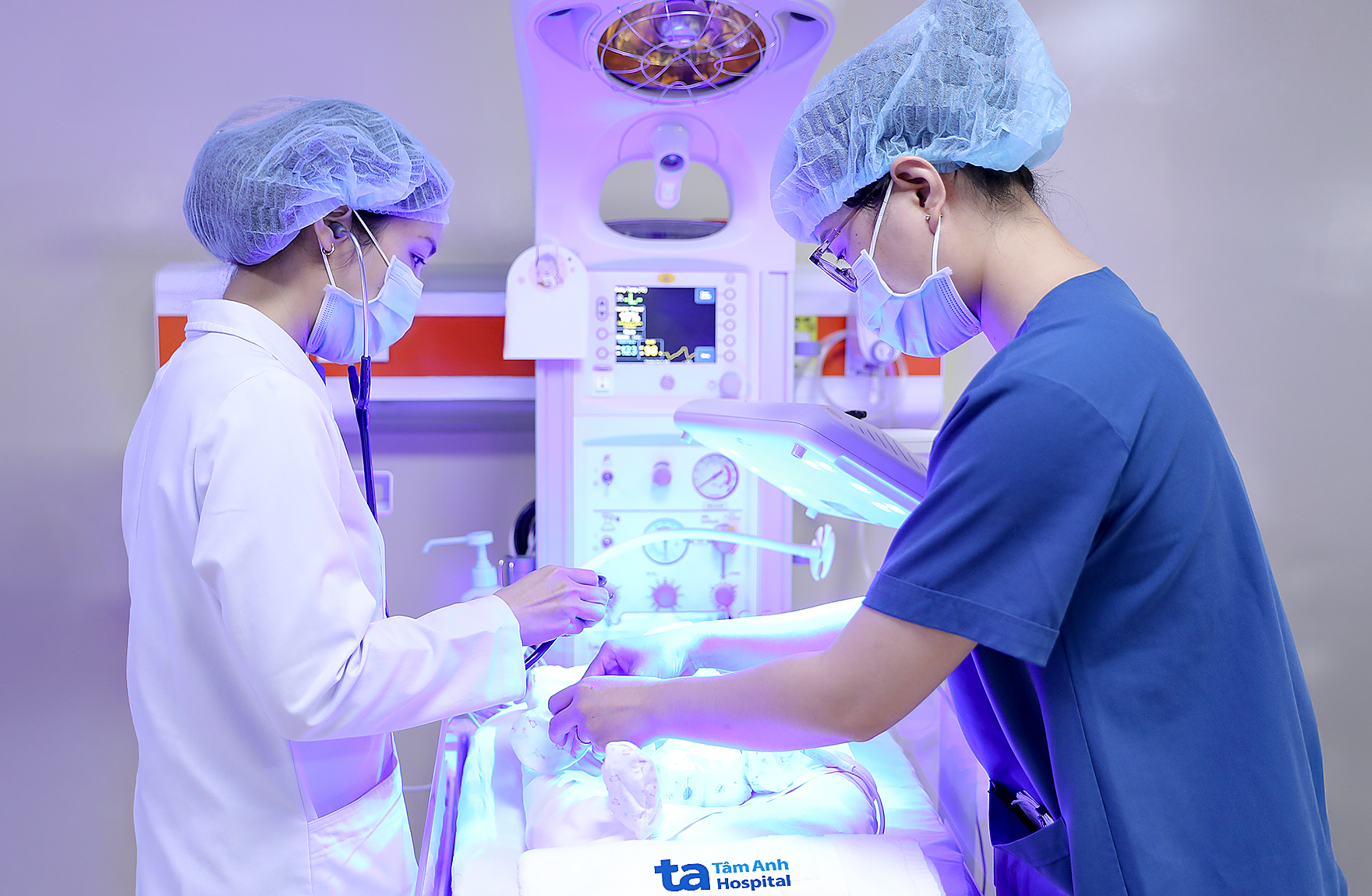 |
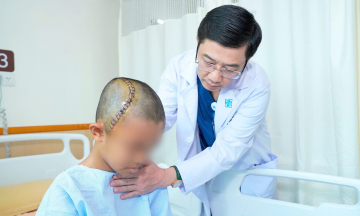
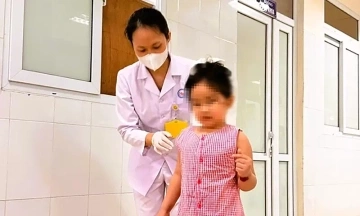
Doctor Giang (left) checks the baby's health in the Neonatal Intensive Care Unit (NICU). Photo: Tam Anh General Hospital.
16 days after birth, the baby's condition stabilized, and feeding was gradually increased via a gastrointestinal tube. The injured bowel recovered well, allowing the baby to feed independently, be discharged, and attend regular follow-up appointments.
Necrotizing enterocolitis is a condition involving inflammation and necrosis of the intestinal lining, with a mortality rate of approximately 50%, according to Doctor Giang. The disease is common in premature infants due to an immature digestive system, insufficient blood supply to the intestines, and bacterial invasion. Other risk factors include: intrauterine growth restriction, chorioamnionitis, and birth asphyxia.
Symptoms of the disease can develop over several days or appear suddenly, often being non-specific. Warning signs include: poor feeding, vomiting, abdominal distension, loose stools or bloody stools, lethargy, fever or hypothermia, and respiratory distress.
Necrotizing enterocolitis can lead to sepsis, meningitis, peritonitis, gastrointestinal hemorrhage, and circulatory failure. Treatment depends on the severity of the disease; if the child does not respond to medical therapy, surgery may be necessary. According to Doctor Giang, for early detection of diseases in newborns, parents should monitor their child's health and seek medical attention immediately if any unusual symptoms appear.
Ngoc Chau
| Readers can submit questions about neonatology here for doctors to answer. |