The boy was admitted to the hospital after two months of persistent headaches, transient weakness on one side of his body, and one brief loss of consciousness. Doctors at University Medical Center Ho Chi Minh City discovered a large brain tumor located directly in a functional area critical for motor skills and language. This is a particularly sensitive location, where any intervention carries a risk of long-term sequelae, severely impacting the child's ability to walk, communicate, and overall quality of life.
On 19/5, Dr. Do Hong Hai, Head of the Pediatric Neurosurgery Unit, Department of Neurosurgery, stated that the tumor's proximity to the brain's core functional areas set extremely strict treatment goals. "The surgery aimed to completely remove the tumor while preserving the patient's neurological function as much as possible," Dr. Hai explained.
Facing this significant challenge, the medical team opted for an awake craniotomy instead of conventional general anesthesia. This advanced neurosurgical technique is typically indicated for brain lesions located near vital functional areas.
During an awake craniotomy, the patient's ability to speak and move is directly assessed while the surgeons operate. This allows the surgical team to precisely define safe margins for tumor dissection, identify early risks to brain function, and make timely adjustments to minimize damage to neural pathways.
However, performing an awake craniotomy on a child presents a unique challenge, demanding extremely high professional competence and seamless coordination across multiple specialties: Neurosurgery, Anesthesia and Resuscitation, Nursing, and Psychological Support. For a 12-year-old patient, ensuring the child understands, trusts, and fully cooperates with the medical team throughout the surgical process is a crucial preparatory factor that determines the surgery's success.
Thanks to thorough preparation, the surgery was successful. Post-operatively, the patient was awake, recovered well, and showed no new focal neurological deficits. Follow-up imaging confirmed that the tumor had been almost entirely dissected and removed.
The patient is currently under close observation as doctors develop a subsequent treatment plan to ensure the most comprehensive recovery.
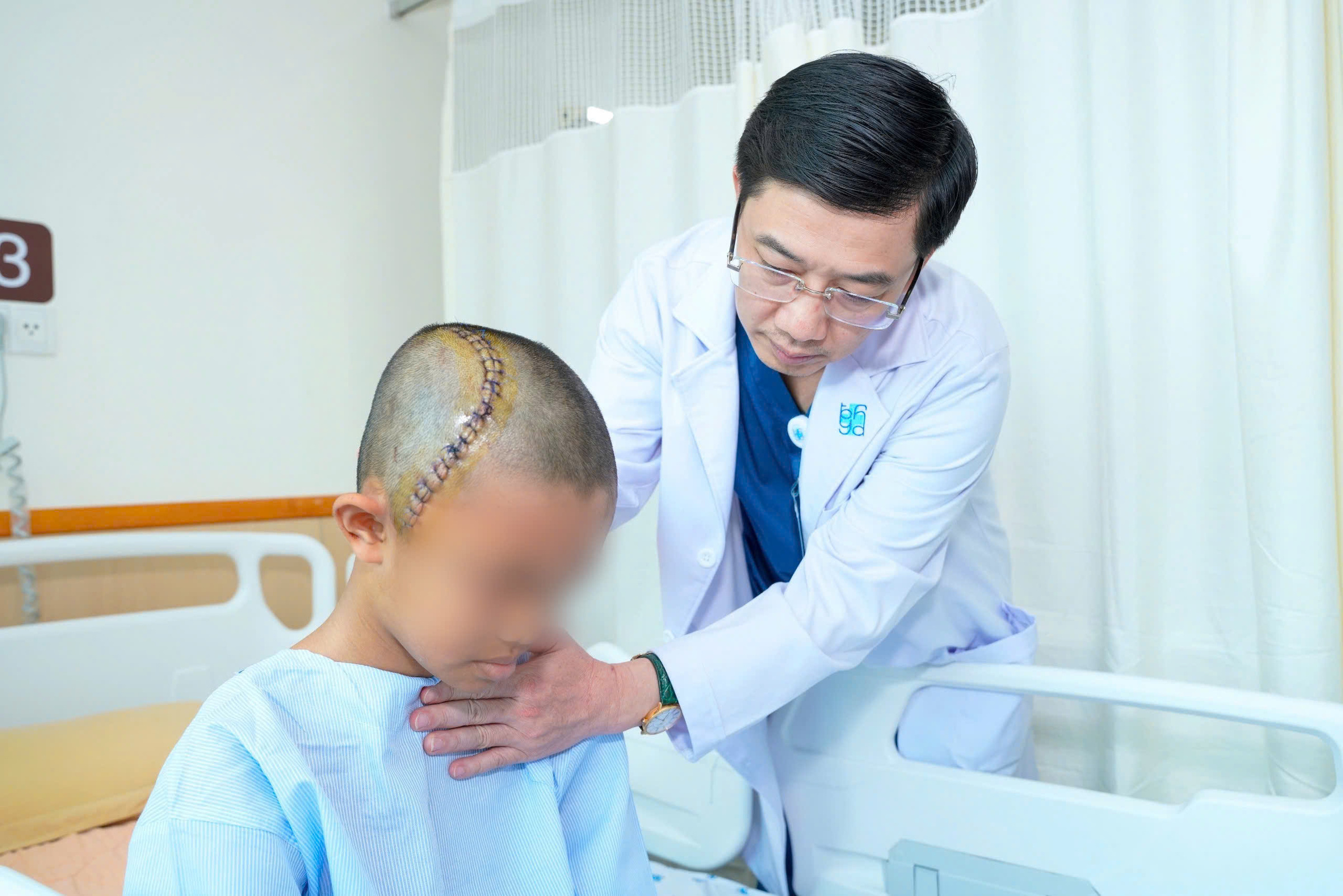 |
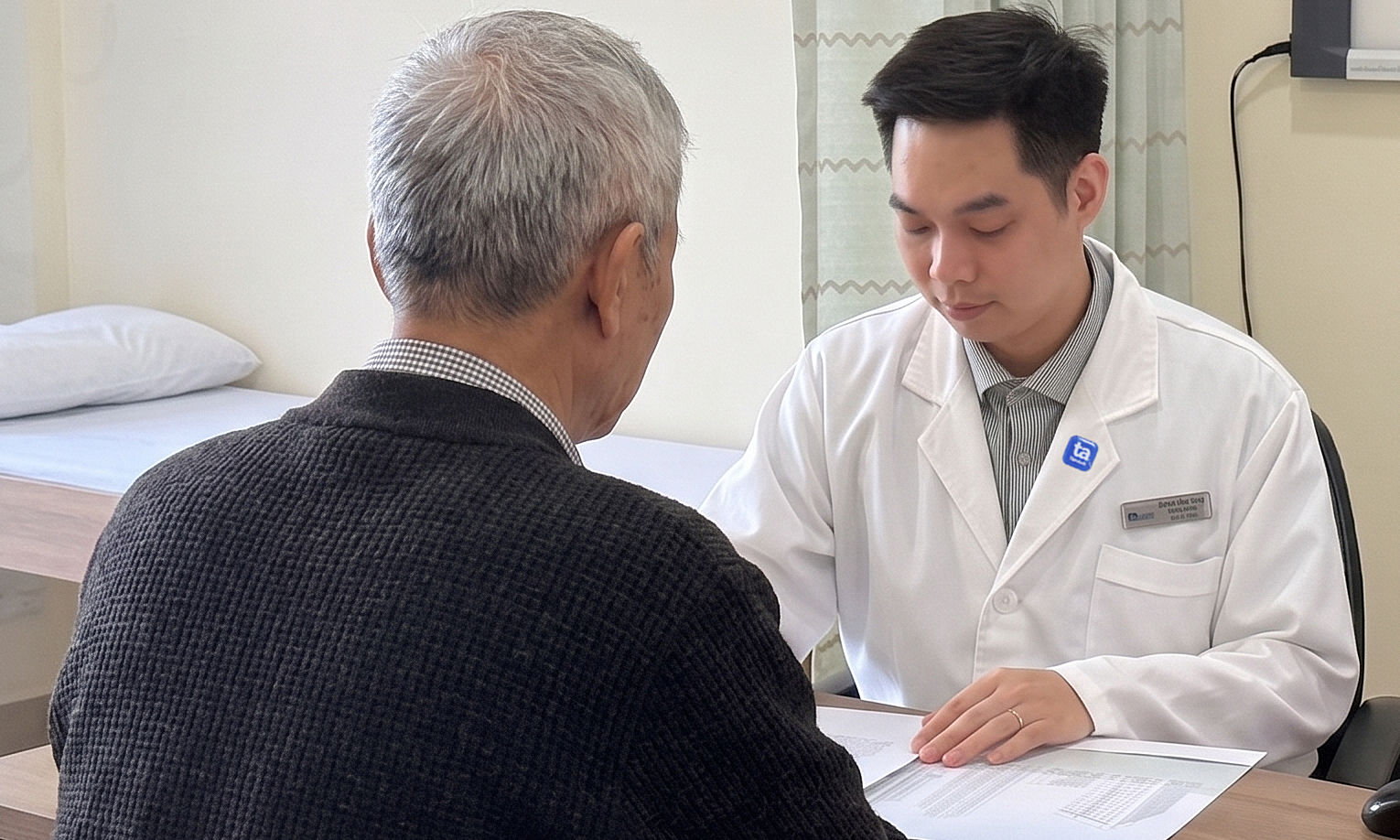
Dr. Truong Thanh Tinh, Head of the Department of Neurosurgery, examines and monitors the patient's recovery after surgery. Photo: Hospital provided |
Dr. Truong Thanh Tinh, Head of the Department of Neurosurgery, noted that the awake craniotomy method optimizes tumor removal while preserving the patient's long-term quality of life, especially in high-risk brain tumor cases.
Based on this case, doctors advise parents never to be complacent about abnormal neurological signs in young children. If a child experiences prolonged headaches, transient limb weakness, or episodes of unconsciousness, immediate medical attention is necessary. Early detection and timely intervention during the "golden hour" significantly enhance treatment effectiveness and protect brain function, preserving the child's ability to learn and future development.
My Y