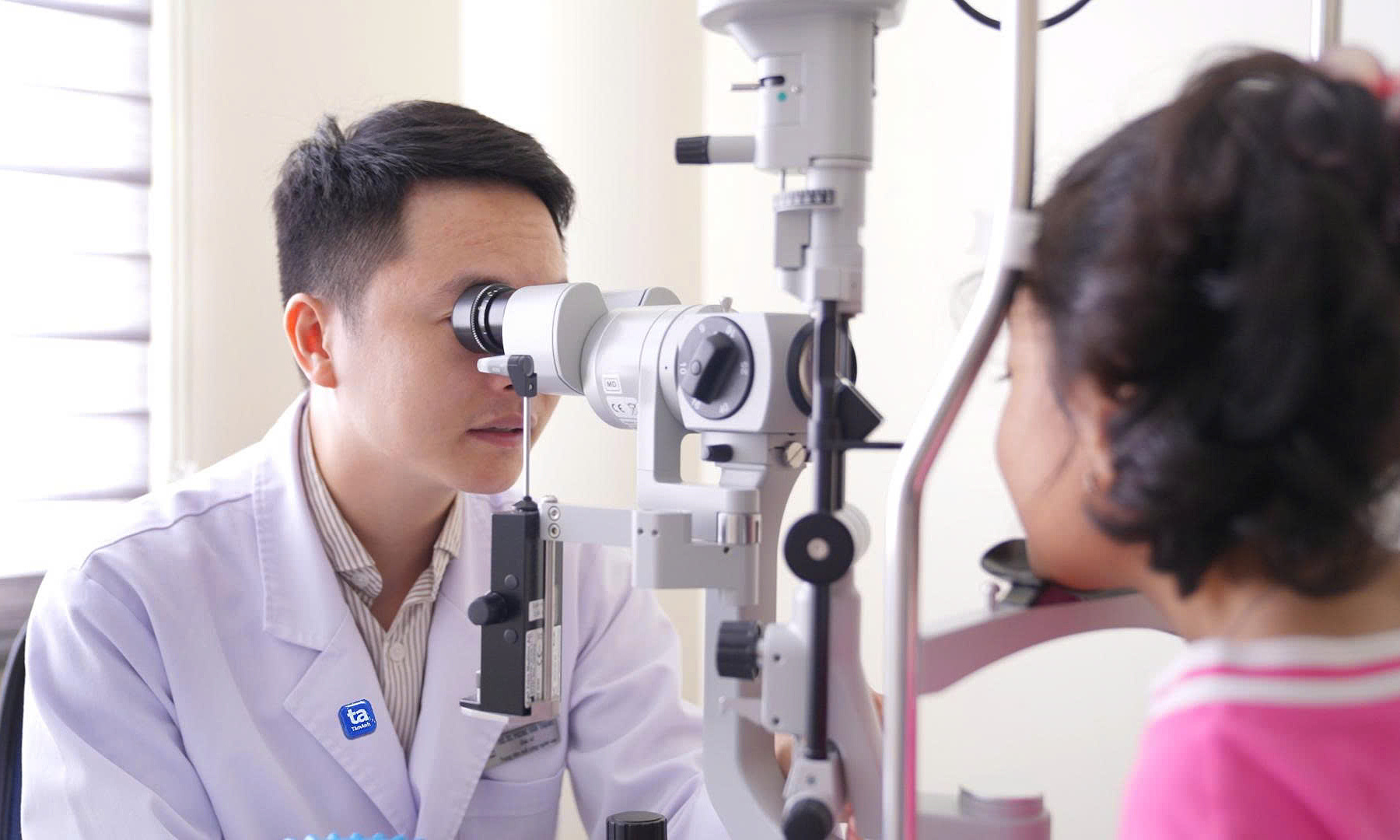
Many eye conditions progress slowly, often showing no clear symptoms in their early stages. Many people only discover these issues after significant vision loss, which impacts their work and daily life. Regular eye exams can detect problems early, reducing the risk of long-term vision loss.
Refractive Errors
These are among the most common vision problems, including nearsightedness, farsightedness, astigmatism, and presbyopia. Individuals may experience blurred vision, eye strain, headaches, or squint when reading or driving.
This condition can be linked to age, genetics, and prolonged use of electronic devices. According to Prevention, women over 40 face a higher risk of refractive issues than men of the same age. Corrective glasses, contact lenses, or laser surgery can improve vision and reduce daily discomfort.
Macular Degeneration
This disease affects the macula, the central part of the retina responsible for sharp, detailed vision. In advanced stages, individuals with macular degeneration may see dark or distorted areas in their central vision while peripheral vision remains intact.
Since symptoms develop gradually, many mistake them for typical age-related vision decline. Early detection is crucial, as treatment can slow disease progression and limit the risk of severe vision loss. Middle-aged individuals should undergo regular eye exams, especially if there is a family history of macular degeneration.
According to Times of India, a diet rich in vitamins A, C, and E, along with wearing UV-blocking glasses outdoors, can help protect eyes and reduce disease risk.
Glaucoma
Glaucoma refers to a group of diseases that damage the optic nerve, often linked to increased pressure within the eye. It is a leading cause of irreversible blindness. In its early stages, the disease often progresses silently. Peripheral vision is affected first, making it difficult for patients to notice until their field of vision significantly narrows.
Older adults or those with a family history of glaucoma face a higher risk. Eye drops, laser treatment, or surgery can help manage the disease if detected early.
Dry Eyes
Dry eyes occur when the eyes do not produce enough tears or when tears evaporate too quickly, leading to insufficient moisture on the eye surface. Patients may experience burning, a gritty sensation, redness, light sensitivity, or blurred vision, especially towards the end of the day.
This condition is common among older adults, postmenopausal women, contact lens wearers, or those who work extensively with computer screens. Air-conditioned environments, dust, and dry, hot weather can also worsen symptoms.
Measures like frequent blinking, resting the eyes, and using artificial tears can help alleviate discomfort.
Computer Vision Syndrome
According to Medical News Today, computer vision syndrome develops when eyes work continuously for extended periods in front of computers, phones, or televisions. Patients may experience symptoms such as eye strain, dry eyes, blurred vision, headaches, or neck and shoulder pain.
This syndrome is linked to reduced blink frequency and constant eye adjustment when viewing screens. To lessen discomfort, experts recommend applying the 20-20-20 rule: every 20 minutes of screen time, look at an object about 6 meters (20 feet) away for 20 seconds. If symptoms persist or impact daily life, individuals should seek an eye exam to rule out other vision problems.
Bao Bao (Compiled)
| Readers can submit questions about ophthalmological diseases here for a doctor's answers. |