The first two years of life are a period of rapid physical, brain, motor, and language development for children. Routine health check-ups monitor growth and facilitate early detection of many potential illnesses. Dr. Nguyen Huu Dung, from the Pediatric Surgery department at Tam Anh General Hospital TP HCM, highlights several health conditions in children that parents commonly miss.
Iron deficiency anemia
Children with mild anemia typically show no specific symptoms. Babies may appear pale, have a poor appetite, cry often, tire easily, or experience slow weight gain, which parents might mistake for picky eating.
Iron is essential for hemoglobin formation and brain development. Prolonged iron deficiency during the early years can impact a child's cognitive abilities and behavior. Doctors usually screen children for anemia around 12 months of age, or earlier if risk factors are present. Once diagnosed with iron deficiency anemia, children receive appropriate iron supplementation and dietary adjustments.
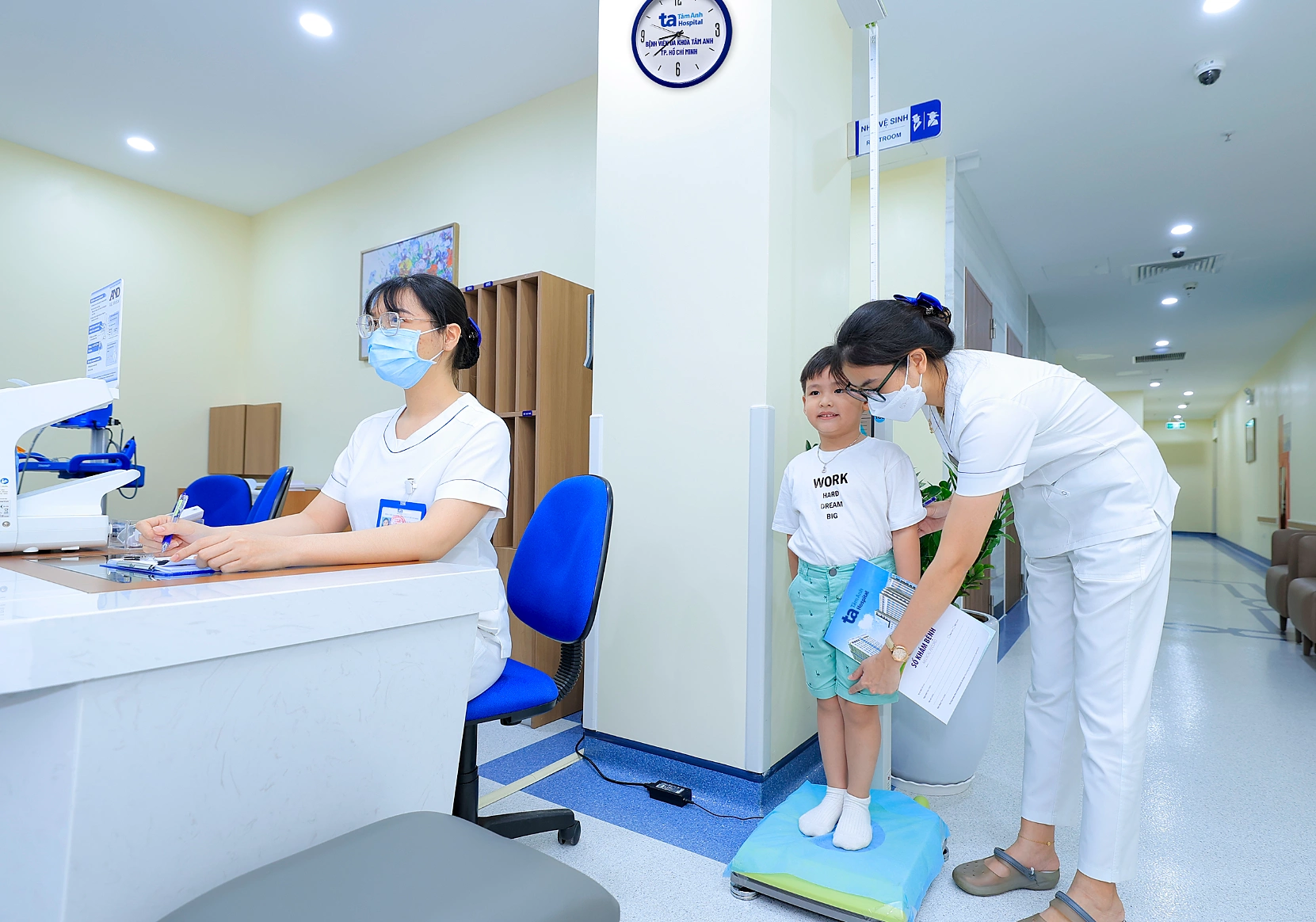 |
A nurse measures a child's height at Tam Anh General Clinic District 7. *Photo: Clinic provided*. |
Congenital heart disease
Many children with conditions such as atrial septal defects, small ventricular septal defects, or patent ductus arteriosus feed well and gain weight normally, making these conditions easy to overlook.
During check-ups, doctors assess skin color, heart rate, respiratory rate, growth progression, and listen to the heart. If a child exhibits prolonged rapid breathing, excessive sweating during feeding, intermittent feeding, blue lips, slow weight gain, or an abnormal heart rhythm, a cardiac ultrasound and necessary tests are ordered to identify the cause and provide suitable treatment.
Vision and hearing impairment
Some children may have eyes that do not look straight, are misaligned, show nystagmus (involuntary eye movements), have abnormally white pupils, or do not startle at loud sounds. However, parents often believe these issues will resolve naturally as the child grows.
Newborns should undergo hearing screening. During subsequent check-ups, doctors continue to inquire about the child's hearing ability, reactions to sounds, history of ear infections, and language development. If risk factors or suspicious signs arise, children require age-appropriate hearing tests.
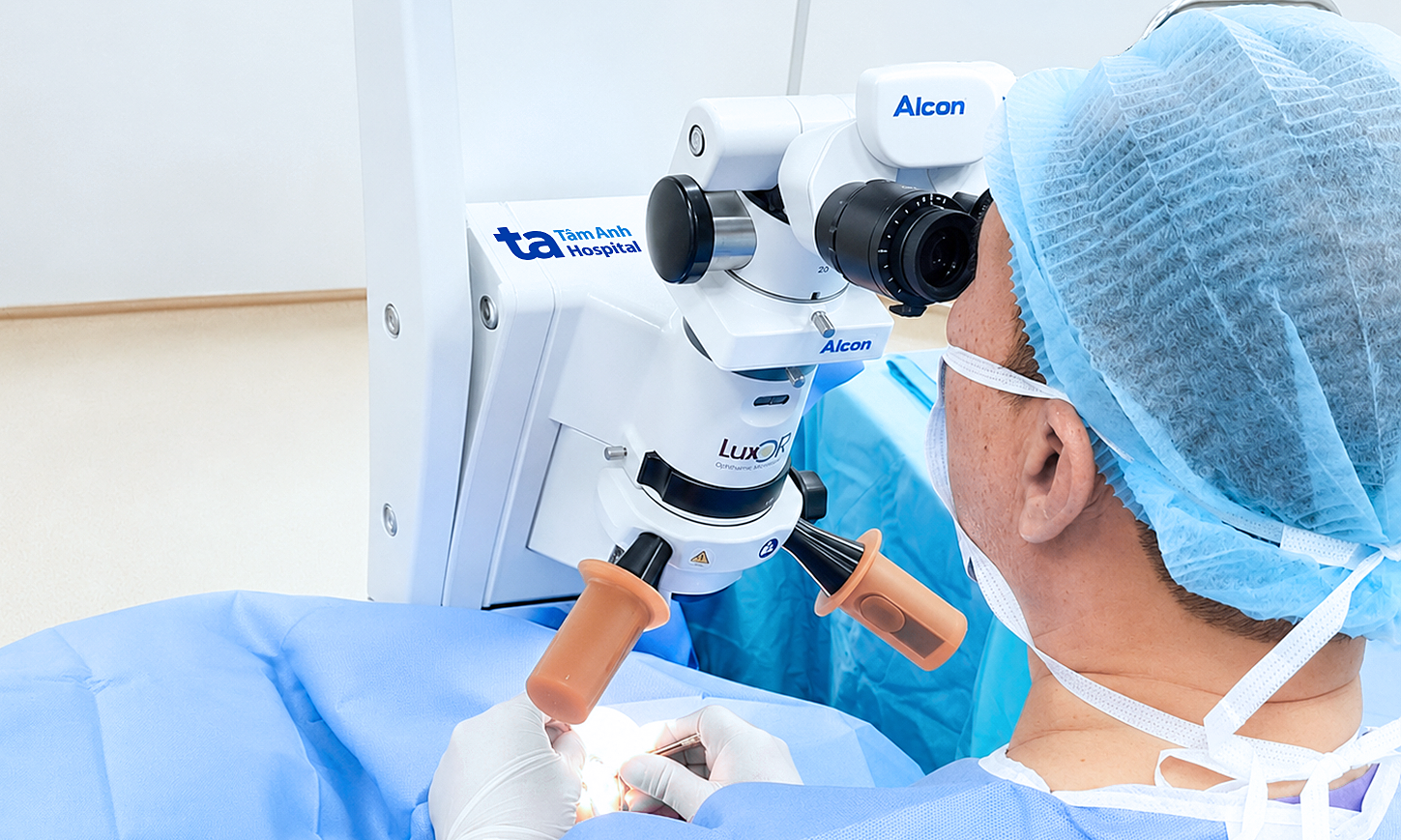
For vision, doctors examine the eyes, red reflex, pupillary response, fixation ability, visual tracking, and eye alignment.
Early detection allows for timely intervention, limiting the impact on vision, hearing, language development, and communication. For certain eye conditions, early treatment also reduces the risk of amblyopia (lazy eye) and improves treatment effectiveness.
Congenital surgical anomalies
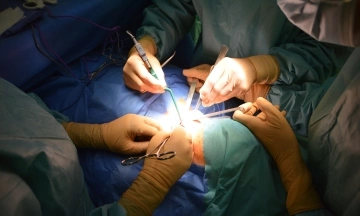
Undescended testicles, inguinal hernia, hip dysplasia, or tongue-tie are surgical anomalies that often cause little pain, making them easily missed.
In boys, routine health check-ups help detect undescended testicles, groin swelling, or hip abnormalities. Early treatment reduces the risk of complications and limits the need for complex surgery for the child.
Minh Tam
| Readers can send questions about children's diseases here to get answers from doctors |