While often associated with modern health trends such as red light therapy or intravenous infusions, Gary Brecka, a former mortality expert and now a biohacker, asserts that the greatest effectiveness comes from the most fundamental aspects: consuming whole foods, daily movement, and prioritizing quality sleep. He observes a booming health movement in the UK, with people actively using supplements and seeking self-optimization. However, many are unintentionally accelerating their aging process through daily habits that appear harmless.
The first habit contributing to accelerated aging is disrupting the body's circadian rhythm. Brecka is particularly serious about sleep. "Sleep is the easiest thing to compromise in our schedules, something we readily postpone or skip to prioritize work and social engagements," the health expert states. "Yet, extensive analyses and the lifestyles of people in Blue Zones consistently show that sleep is one of the most crucial factors for a long and healthy life, alongside movement, exercise, and diet." Consequently, he always schedules his meetings and appointments around his 8 hours of sleep.
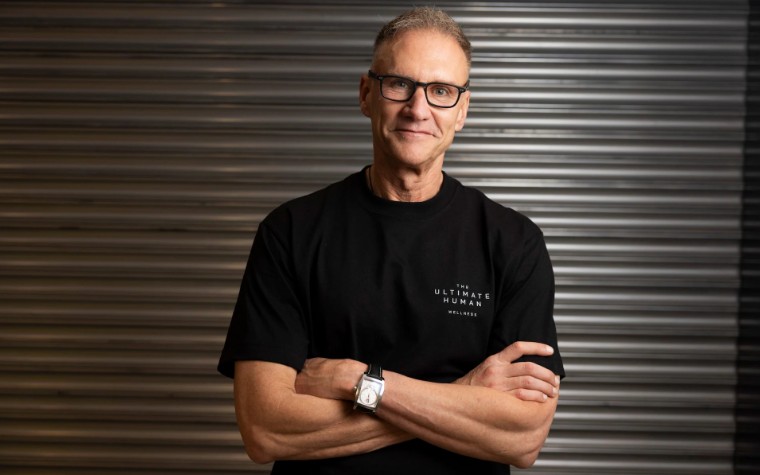 |
American longevity expert Gary Brecka. Photo: Heathcliff O'Malley
Brecka affirms that good sleep begins long before one lies down. The body's biological clock is directly influenced by morning light, physical activity, hydration, temperature, stress levels, and evening light exposure. When these signals are misaligned, sleep quality declines.
Lack of sleep negatively impacts blood sugar control, inflammatory responses, hormones, the immune system, memory, mood, and recovery ability. Essentially, the body cannot age healthily without proper recovery. To help the brain transition into a restful state, individuals should spend 10 to 15 minutes outdoors within one hour of waking, drink sufficient water, and begin relaxing 30 to 60 minutes before bed by dimming lights, reducing screen time, cooling the body, and practicing breathing exercises.
Beyond sleep, the impulsive use of dietary supplements also poses many risks. Brecka supports supplement use but believes many people approach it incorrectly, overusing them due to social media trends or following others without truly understanding their body's deficiencies or absorption capabilities. In the UK, about 3/4 of the population uses supplements, and nearly one-half consume them daily. However, taking many unnecessary types can lead to digestive issues, and even liver or kidney damage.
Instead of investing in an expensive supplement regimen, Brecka recommends focusing on a diet rich in whole foods, including basic items such as fruits, full-fat Greek yogurt, eggs, fish, chicken, and grass-fed meat. Before taking any additional supplements, the best approach is to undergo testing rather than guessing.
He emphasizes the importance of a one-time gene test (typically via saliva) to examine the methylation process, a core regulatory mechanism occurring billions of times daily in the body. This process plays a vital role in the function of most major organs: supporting liver detoxification; producing mood-balancing neurotransmitters like serotonin and dopamine; controlling cardiovascular markers (homocysteine); and regulating genes to ensure cell activity.
Meanwhile, maintaining an overly comfortable and passive lifestyle silently erodes health. Modern life allows people to order food, shop, or socialize, all while seated. A University College London study indicates that almost 3/4 of people in their mid-40s sit more than 8 hours daily, with approximately 1/4 of that time spent sitting continuously for at least one hour. Prolonged sitting is linked to an increased risk of cardiovascular diseases, type 2 diabetes, and early death, even in individuals who are otherwise active.
"The body is designed to adapt, but adaptation requires stimulation," Brecka explains. "The risk here is that the body gradually loses its resilience, mitochondria become less efficient, blood circulation is affected, the nervous system becomes easily excitable, and metabolic flexibility diminishes."
He states that to counteract this, individuals need to proactively introduce controlled, small stressors such as resistance training, exposure to heat or cold, breathing exercises, outdoor walks, and purposefully embracing discomfort to remind the body of its original functions.
Another danger stems from overlooking potential micronutrient deficiencies. Many people live with nutrient deficiencies like iron, magnesium, or iodine, but mistakenly attribute them to common fatigue or stress. Silent symptoms such as low energy, brain fog, slow recovery, mood swings, muscle cramps, or weak nails, if left unaddressed, can lead to serious health issues like anemia or cognitive decline. Nevertheless, these deficiencies are entirely identifiable and correctable through testing and dietary adjustments.
The 5th habit is focusing solely on treating symptoms rather than addressing root causes. Brecka notes that when experiencing headaches or fatigue, many people often opt for painkillers to alleviate discomfort. However, symptoms are the body's warning signals. Merely suppressing the signal without investigating the cause allows the underlying problem to persist, eventually developing into chronic disorders such as inflammation, hormonal imbalances, or immune system impairment.
Each person should proactively investigate the causes by monitoring inflammatory markers, blood glucose responses, using smart wearable devices, or undergoing gene testing to find precise solutions.
Ultimately, the biggest mistake many people make is an excessive obsession with "living long" while forgetting the true quality of life. Instead of passively attempting to add a few years to their lifespan, it is more crucial to prepare for future quality of life by building muscle, protecting mobility, maintaining energy, training the cardiovascular system, and fostering social connections. The secret to longevity does not lie in expensive gadgets or miraculous supplements, but in consistently practicing the most fundamental principles.
By Binh Minh (According to Telegraph)