 |
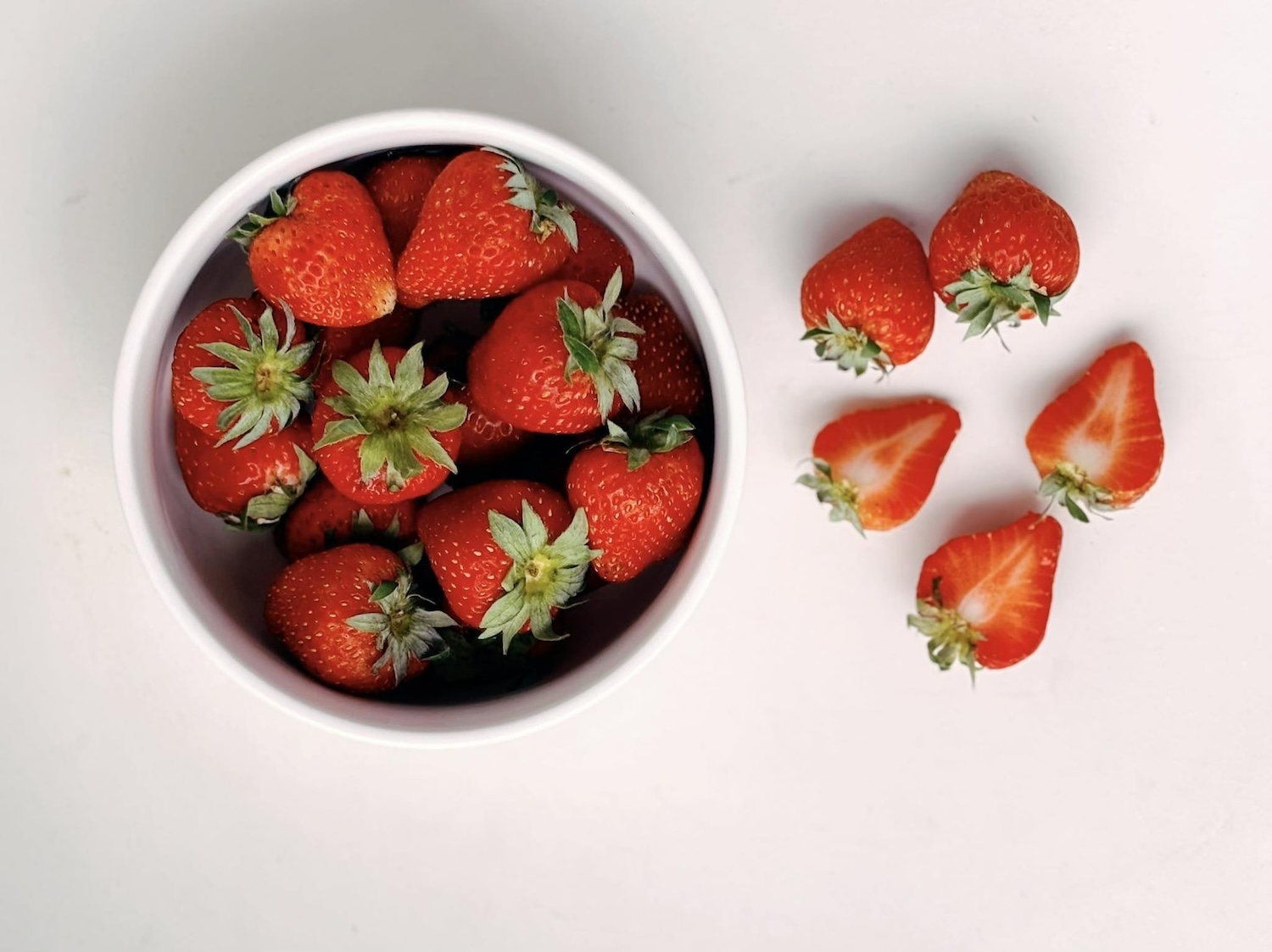
Strawberries contain abundant vitamin C, a crucial antioxidant that boosts immune function, reduces oxidative stress, and lessens inflammatory responses in the body. They also provide other antioxidants like: flavonoids, lutein, and zeaxanthin, which protect cells and offer cancer-fighting potential. |
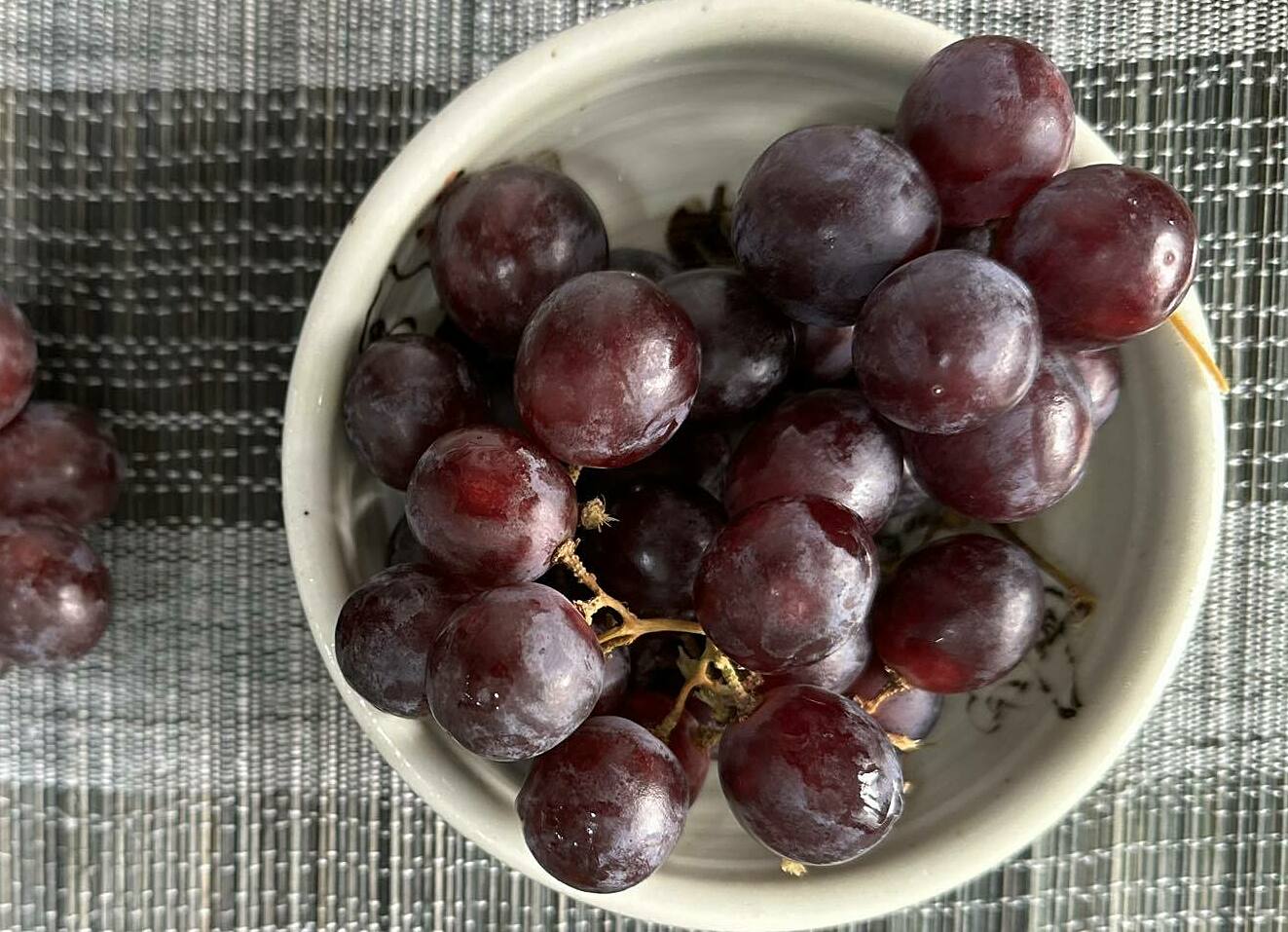 |
Grapes contain antioxidants that can enhance cardiovascular health, reduce inflammation, and combat oxidative stress. Resveratrol, a nutrient in grapes, helps the body prevent liver and lung cancer. Additionally, nutrients and antioxidants such as: vitamin C, and K, contribute to DNA protection and slow the progression of cancer cells. |
 |
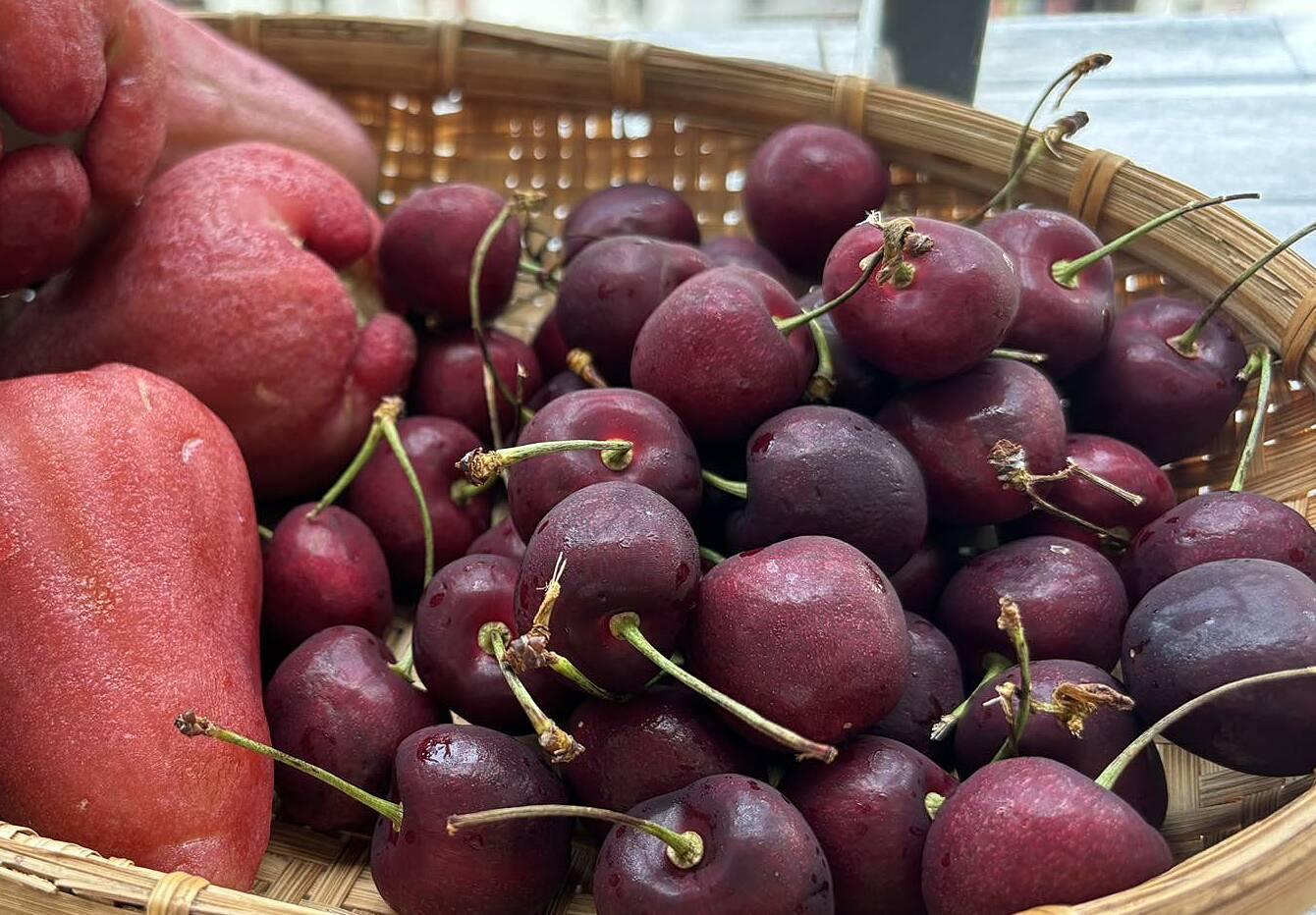
Cherries are rich in manganese and vitamin C, helping reduce inflammation and boost immunity to prevent cancer. This dark-colored berry contains high levels of anthocyanins, which inhibit the growth of cancer cells. Regular consumption of tart cherries also contributes to improved blood sugar regulation. |
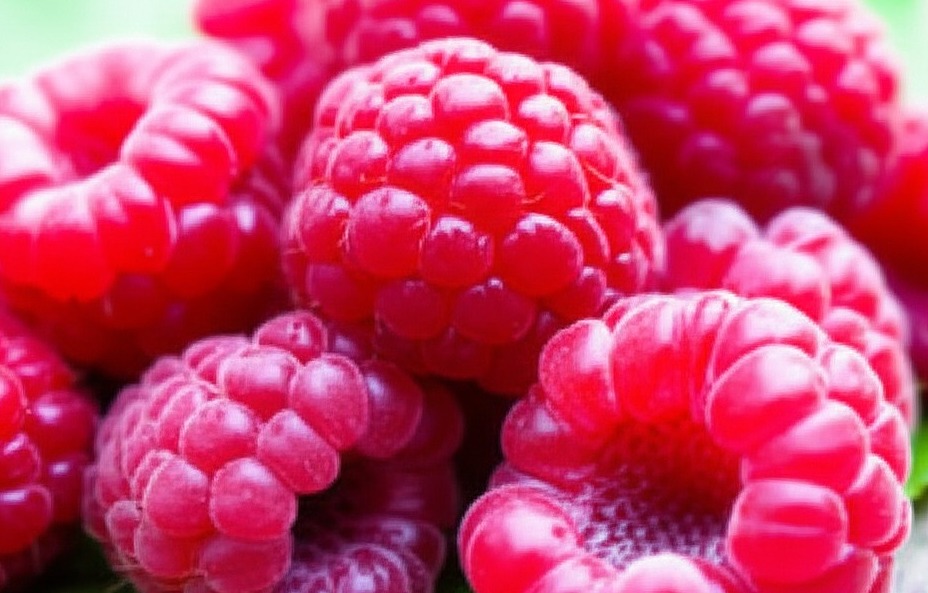
Raspberries are often used in desserts and provide abundant fiber, positively impacting gut microbiota, aiding digestion, and supporting immune function. A 150 g serving of these berries meets 40% of the daily required vitamin C and 10% of vitamin K values.
Raspberries also contain antioxidant polyphenols called ellagitannins, which can reduce oxidative stress—a factor promoting cancer development.
 |
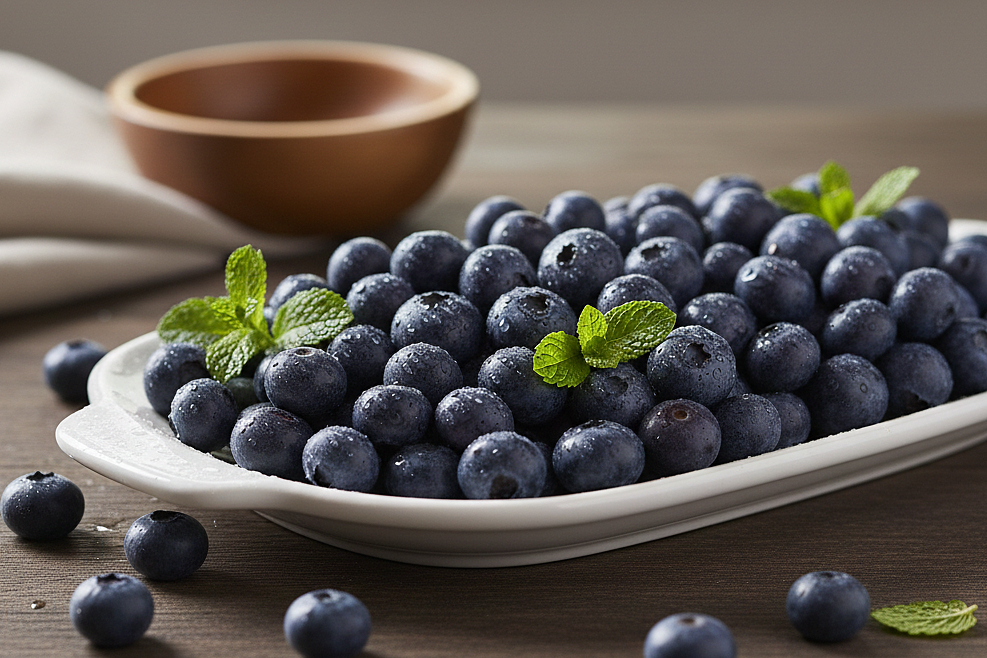
Blueberries are a rich source of vitamin K. A 150 g serving contains 84 calories, 3,6 g of fiber, and various vitamins: C, K, and manganese. This fruit also contains antioxidant polyphenols called anthocyanins, which can reduce oxidative stress, lower "bad" LDL cholesterol in the blood, and prevent inflammation. |
 |
Anh Chi (According to Healthline)
Photos: Anh Chi, Bao Bao, AI
Readers can submit questions about cancer here for doctors to answer.