The program, titled 'Stomach cancer: personalized treatment, enhancing survival opportunities', featured Doctor Lam Quoc Trung, a Second Degree Specialist and head of the oncology chemotherapy department at University Medical Center Ho Chi Minh City. It also included a patient's personal story, offering an accessible medical perspective on the journey.
Globocan 2022 data indicates nearly 969,000 new stomach cancer cases worldwide annually, with Vietnam reporting about 16,277 new cases and over 13,000 deaths. Doctor Lam Quoc Trung attributes the high mortality rate to late-stage diagnoses. This delay stems from the disease's silent progression and initial symptoms, such as abdominal pain, bloating, or loss of appetite, which are often confused with common digestive issues.
The body, however, often provides warning signs. Persistent epigastric pain unresponsive to medication, unexplained weight loss, early satiety, chronic bloating, black stools, or vomiting blood warrant prompt medical attention. For individuals over 40 or those with a family history of stomach cancer, timely screening endoscopy is crucial, significantly improving prognosis and survival chances.
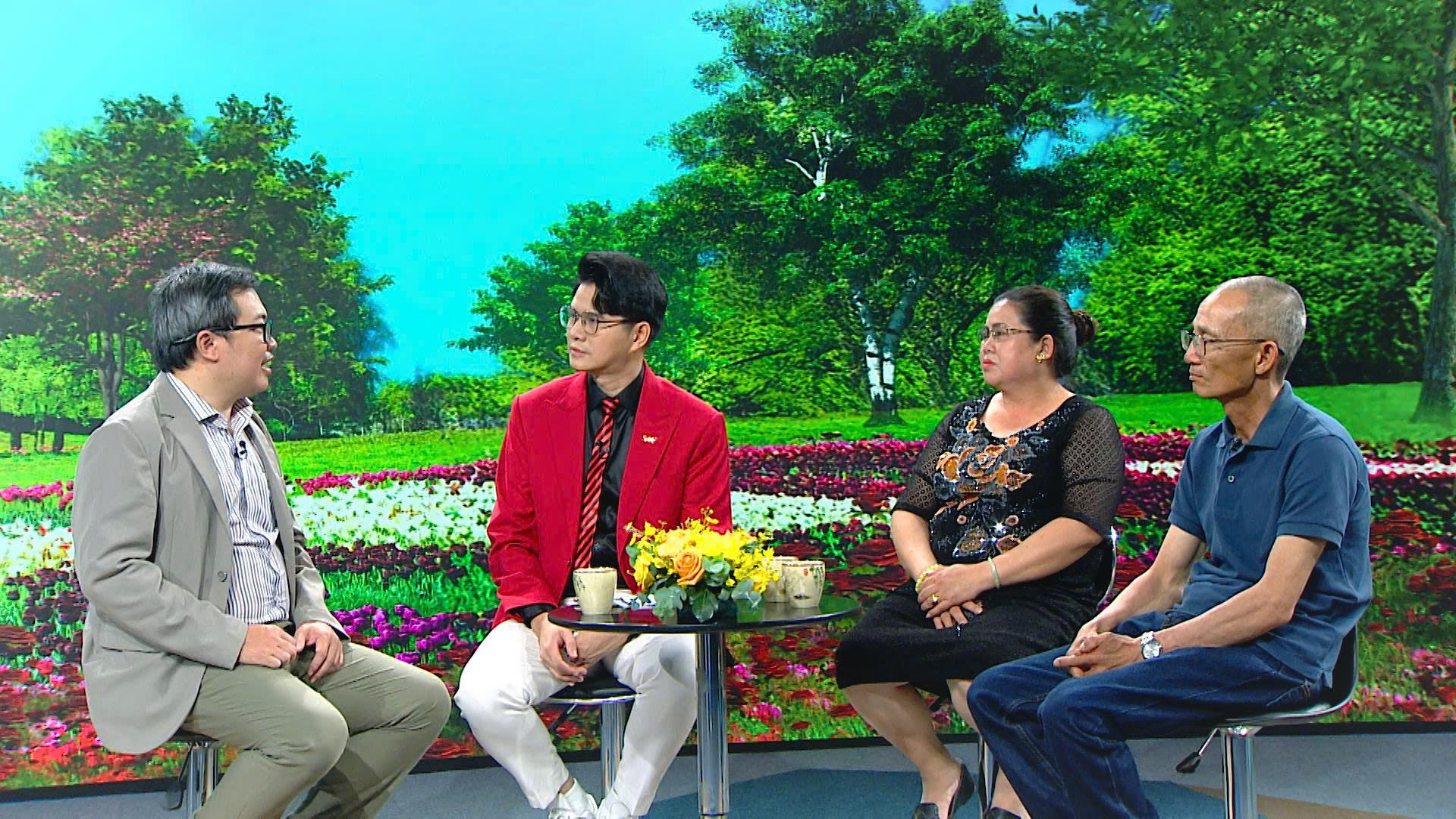 |
Through Doctor Lam Quoc Trung's insights and a patient's authentic experience, the program offered a reliable, accessible scientific perspective on the stomach cancer treatment journey. *Photo: Alo Doctor* |
A key focus of the program was the role of personalized medicine in treating stomach cancer. Modern treatment extends beyond tumor size or disease stage. It now requires a comprehensive understanding of factors like: tumor location, histopathological characteristics, invasion depth, and biomarkers. These diagnostic tests serve as a 'map', guiding doctors to select and combine tailored treatment methods for each patient, moving beyond a one-size-fits-all approach.
The program also highlighted immunotherapy as a significant advancement. This therapy helps 'awaken' the body's immune system, enabling it to recognize and destroy cancer cells.
Beyond treatment efficacy, patient quality of life was also emphasized. Side effects, such as fatigue, loss of appetite, or nausea, are common but largely manageable. Patients can control these by actively communicating with their doctors, adhering to instructions, and receiving close monitoring. Doctor Trung stated, "Family support, alongside small, appropriate meals, not only helps maintain physical strength but also provides crucial emotional support throughout the treatment journey."
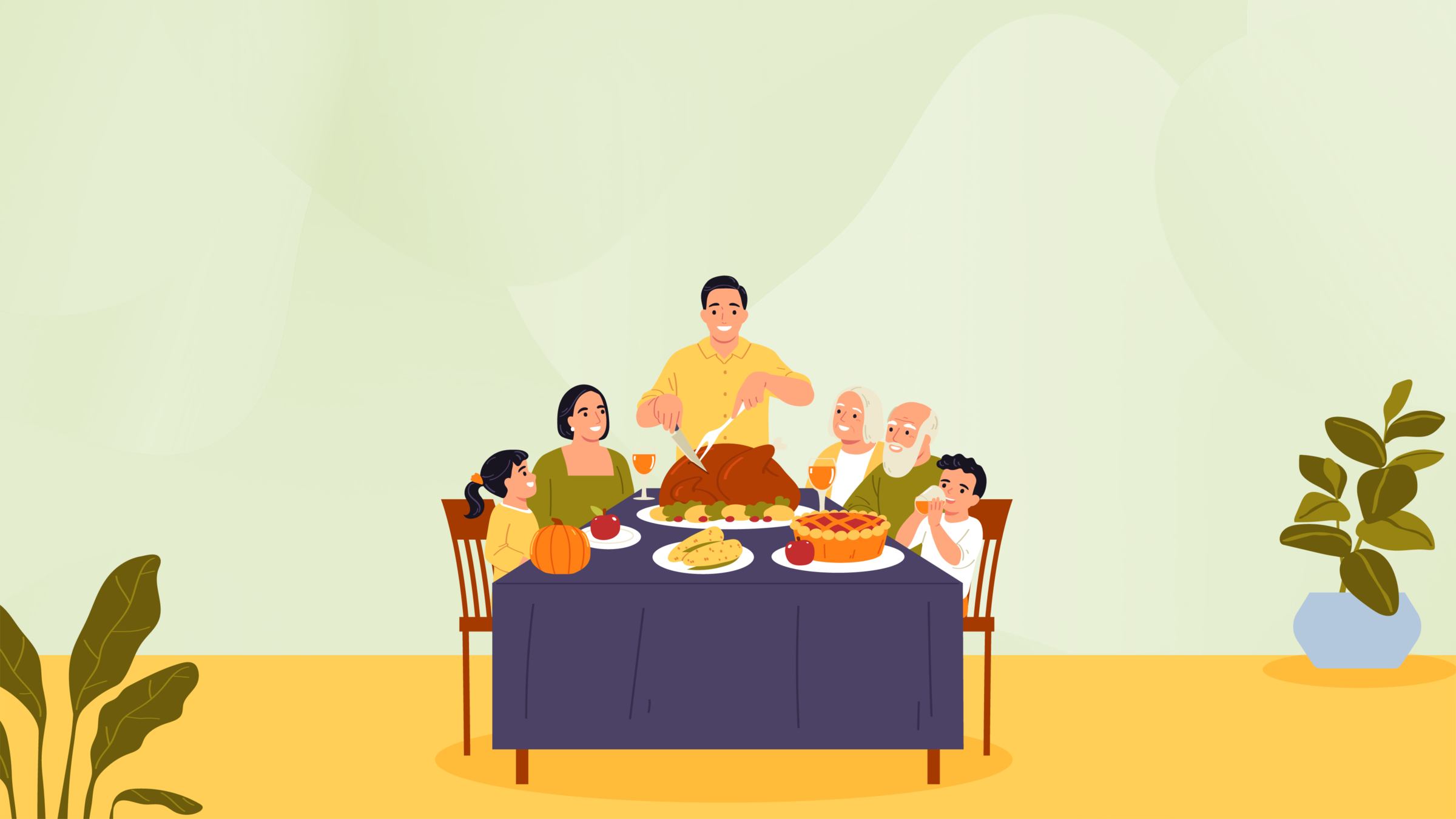 |
Amidst a challenging treatment journey, family care and a balanced diet provide both physical and mental strength to stomach cancer patients. *Photo: Freepik* |
From a prevention standpoint, experts emphasize that early detection is crucial. Simple yet effective measures to reduce stomach cancer risk include: screening for Helicobacter pylori (HP) bacteria, maintaining a healthy, low-salt diet, limiting fried, grilled, and smoked foods, avoiding smoking, and moderating alcohol intake. Early-stage detection significantly increases the chances of successful treatment.
With personalized medicine advancing rapidly, stomach cancer, even in its advanced stages, is increasingly becoming a long-term manageable condition. Experts and doctors on the program urged viewers: "Don't be afraid, be informed. Seek early screening and actively collaborate with your doctor to find the most suitable treatment plan."
The Dan