


Hepatitis is a condition where the liver is damaged, potentially caused by various viruses such as hepatitis A, B, C, and D. Symptoms of hepatitis A often resemble those of a viral stomach flu. Most hepatitis A cases resolve on their own within one month. However, hepatitis B and C can lead to chronic hepatitis, cirrhosis, and liver cancer.
Some primary routes of transmission include:
Direct contact
Hepatitis A spreads more easily than hepatitis B and C. This is because hepatitis A readily transmits through close contact with an infected person, via the fecal-oral route. Preparing food without proper hygiene or failing to wash hands after using the restroom can facilitate the spread of hepatitis A. Additionally, shellfish harvested from contaminated water may contain the hepatitis A virus. For safety, it is advisable to limit consumption of raw or undercooked seafood.
Washing fruits and vegetables thoroughly before eating and drinking boiled water helps reduce the risk of hepatitis A, as the virus can thrive in contaminated water and soil-grown produce. Instead of consuming unsanitary ice or well water, adults should use filtered water, cooled boiled water, or bottled water to ensure safety.
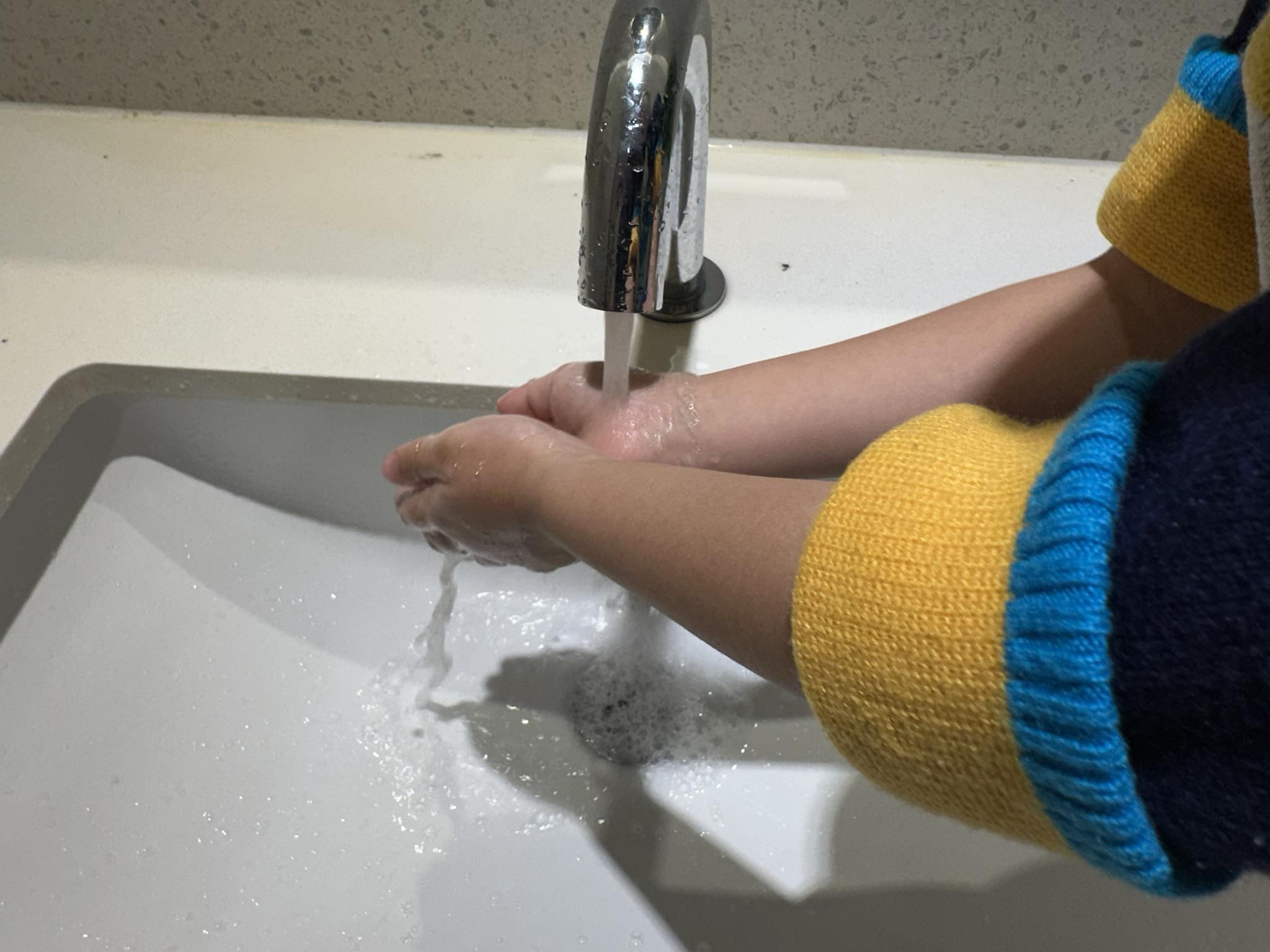 |
Washing hands before eating and after using the restroom helps prevent hepatitis A. Photo: Anh Chi
Contact with blood
Hepatitis B and C viruses can transmit when a person comes into contact with the bodily fluids and blood of an infected individual. Dental tools and needles pose a significant risk for transmitting hepatitis and other bloodborne pathogens. An infected mother can transmit the disease to her child during childbirth. Furthermore, unsafe sexual contact increases the risk of hepatitis C and hepatitis B infection.
Beauty procedures
Tattooing and body piercing are risk factors for increasing the chance of hepatitis C and B virus infection if the tattooing equipment is not heat-sterilized to kill viruses. Additionally, beauty tools such as nail clippers and razors can harbor hepatitis-causing viruses from previous infected users. It is important to choose reputable establishments that ensure safety and require staff to wear gloves during services.
Sexual contact
Sexual contact with an infected person is a risk factor for hepatitis C, hepatitis B, hepatitis A, and other sexually transmitted infections (STIs). Hepatitis viruses can exist in the vaginal fluid, blood, or semen of an infected individual. To prevent the disease, it is necessary to use condoms during sexual activity, get vaccinated against hepatitis, and maintain a monogamous relationship.
Sharing personal items
Any tool or item with even a small amount of blood from an infected person is a potential source of hepatitis B or C transmission. Toothbrushes, nail clippers, razors, needles, and washcloths can all contain trace amounts of infectious blood. Therefore, each person should have their own personal items and avoid using those belonging to others.


