Intestinal obstruction is a condition where the lumen of the small or large intestine is partially or completely blocked, disrupting the flow of food, fluids, and gas in the digestive tract. Patients often experience symptoms such as: abdominal pain, vomiting, difficulty passing stool, and abdominal distension. If not treated promptly, it can lead to bowel rupture.
According to Master of Science, Doctor Nguyen Anh Duy Tung, a specialist in nutrition and dietetics at Tam Anh General Clinic District 7, patients need to adjust their diet according to each stage to reduce the burden on the intestines and limit the risk of recurrence.
**Liquid, soft, easily digestible foods**
In the initial stage when the intestines are still sensitive, patients should consume soft, liquid, and easily digestible foods such as: thin porridge, soup, broth, nutritional powder, and cereals. These foods should be thoroughly cooked, stewed until tender, or finely pureed to facilitate swallowing and minimize undigested food residue in the intestinal lumen.
**Easily absorbed protein sources**
As the digestive system stabilizes, patients need to increase protein intake to support tissue repair and enhance overall health. Choose easily digestible, protein-rich foods such as: minced lean meat, steamed or boiled fish, steamed eggs, and tofu. Avoid tough or fatty meats, as they can cause bloating and indigestion.
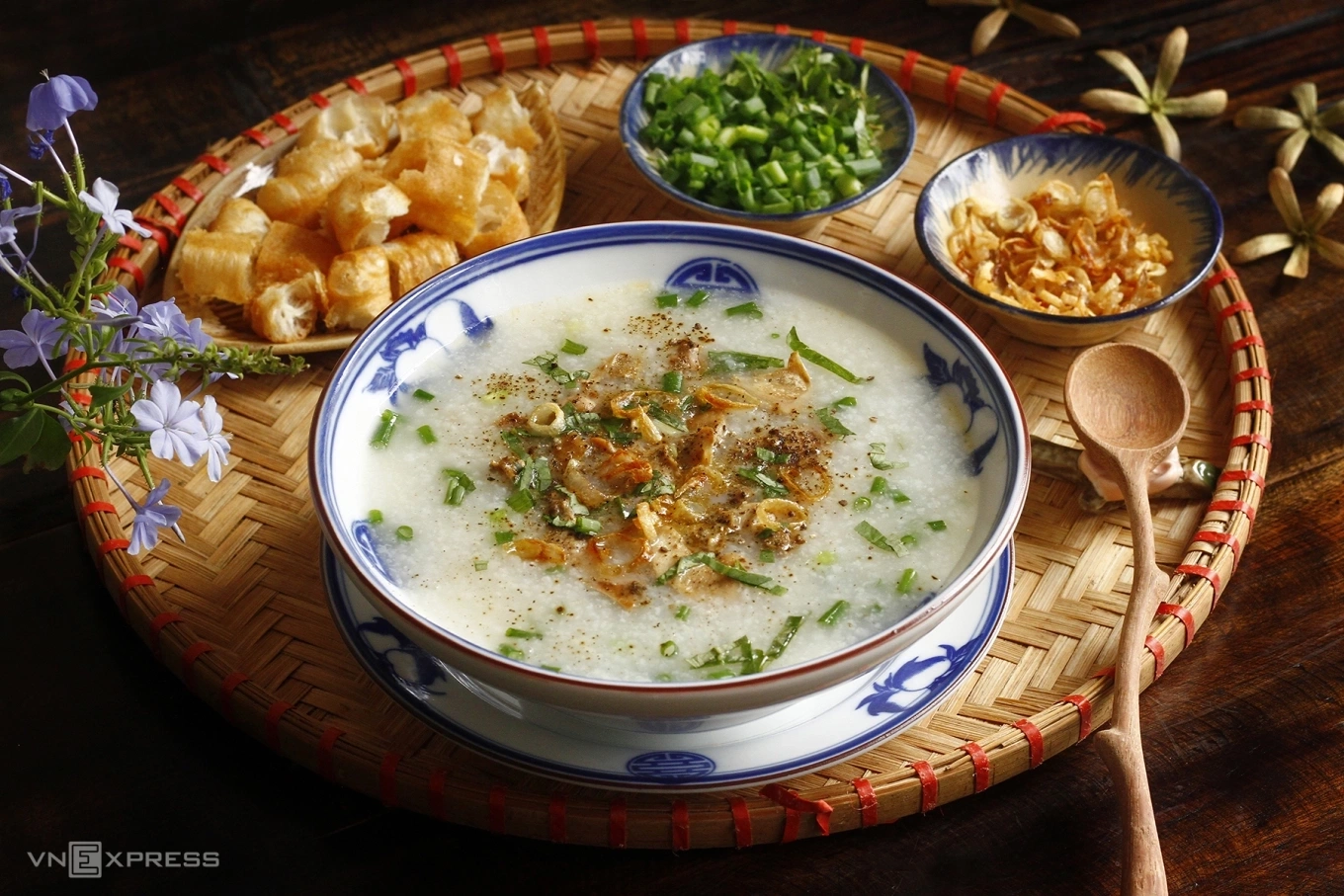 |
Patients should eat liquid, soft, and easily digestible foods. Photo: Bui Thuy |
**Cooked vegetables and ripe fruits**
Vegetables and fruits provide essential fiber, vitamins, and minerals, but proper consumption is crucial. Prioritize cooked vegetables like: pumpkin, carrots, loofah, bottle gourd, and ripe fruits such as: bananas, papayas, avocados, and cantaloupes. Limit raw vegetables, foods high in coarse or difficult-to-digest fiber (old, fibrous vegetables), as they can increase the risk of re-obstruction.
**Probiotic-containing foods**
Some foods, such as: low-fat, unsweetened yogurt, can help balance the intestinal microbiome. Patients should only consume these when their digestive system has stabilized and tolerates them well. Individuals with lactose intolerance or ongoing digestive symptoms should exercise caution when consuming dairy products.
**Water and electrolyte supplementation**
Water helps soften food matter and supports bowel movements. Patients should drink enough water daily (about 1,5-2 liters depending on their physical condition), and can supplement with broth, vegetable and fruit juices, or electrolyte solutions as advised by a doctor. Drink small sips throughout the day, avoiding excessive intake at once to prevent bloating.
Doctor Duy Tung advises patients not to skip meals or eat erratically. Instead, they should eat slowly and chew thoroughly to ensure food is finely ground in the mouth, reducing the burden on the stomach and intestines and limiting the formation of undigested food residue. Patients can divide their food into 5-6 smaller meals throughout the day. This reduces pressure on the intestines, thereby minimizing post-meal bloating.
Exercises such as: walking, yoga, or cycling stimulate bowel movements. Adequate sleep and a relaxed state of mind also contribute to maintaining a healthy digestive system.
If severe abdominal pain occurs along with symptoms such as: fever, persistent vomiting, abdominal distension, dry lips, prolonged constipation, or inability to pass gas, seek immediate medical attention for prompt treatment.
According to the doctor, the nutritional regimen for individuals with intestinal obstruction needs to be individualized based on the cause, severity of the condition, and treatment stage. Specialized examination and consultation help create a suitable and safe diet.
Quoc An
| Readers can submit nutrition questions here for doctor's answers |