Erratic weather, characterized by sudden temperature shifts, does not directly cause asthma but significantly contributes to symptom flare-ups, according to Dr. Nguyen Thi My Hanh, a specialist in general internal medicine at Tam Anh District 7 General Clinic. These abrupt changes can constrict airways and heighten inflammatory responses, making individuals with asthma susceptible to acute attacks.
The airway lining in asthma patients is sensitive. When cold or hot, dry air enters the lungs, it stimulates respiratory receptors, leading to bronchospasm, shortness of breath, and chest tightness. Moreover, fluctuating weather often brings an increase in environmental irritants such as fine dust, pollen, and mold, all known to trigger asthma attacks.
 |
Dr. Hanh uses a stethoscope to check the heart and lung function of a patient during a health examination. Photo: Tam Anh District 7 General Clinic
Dr. Hanh emphasizes that consistent adherence to prescribed control medication, particularly inhaled corticosteroids, is paramount for managing asthma. Many patients mistakenly stop their medication during erratic weather, significantly increasing their risk of acute asthma attacks. It is crucial to always carry rescue bronchodilators to address sudden shortness of breath.
Patients should limit outdoor exposure during sudden cold snaps or intense heat, especially in the early morning and late night. If going outside is necessary, wear a face mask. When it's cold, keep the neck and chest warm. In hot weather, avoid direct air conditioning drafts on the face or chest.
Adjusting the living environment is also crucial. Homes should be well-ventilated but protected from drafts, and humidity levels should be maintained to prevent airway dryness. Regular cleaning, reducing dust, and controlling mold and pet dander can significantly decrease the risk of asthma flare-ups during periods of unpredictable weather.
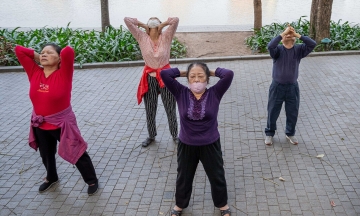
While physical activity is encouraged, patients must adjust its timing and intensity. Exercise should occur in a temperature-stable environment, avoiding outdoor workouts during extreme heat or cold. Breathing exercises and light physical activity improve respiratory function, but patients should stop immediately if they experience any signs of shortness of breath.
Dr. Hanh recommends seeking medical attention if symptoms worsen, such as increased night coughing, wheezing, chest tightness, or needing rescue medication more often. This allows for timely adjustment of the treatment plan. Furthermore, if shortness of breath does not respond to bronchodilators, patients should go to a hospital immediately for diagnosis and treatment to prevent serious complications.
Nhat Thanh
| Readers can submit questions about respiratory illnesses here for doctors to answer. |