Prolonged insomnia leads to fatigue, reduced concentration, and a higher risk of many man tinh diseases. While addressing underlying causes is important, simple daily lifestyle adjustments can significantly improve sleep onset and quality.
Embrace natural morning light
According to Healthline, early light exposure can enhance the sleep-wake cycle, particularly for individuals who often go to bed late or experience insomnia.
Natural light regulates the body's biological clock, signaling daytime alertness and preparing for melatonin secretion, a hormone vital for sleep. Daily activities like outdoor walks, opening curtains, or sitting on a balcony for 15-30 minutes in the morning can be beneficial.
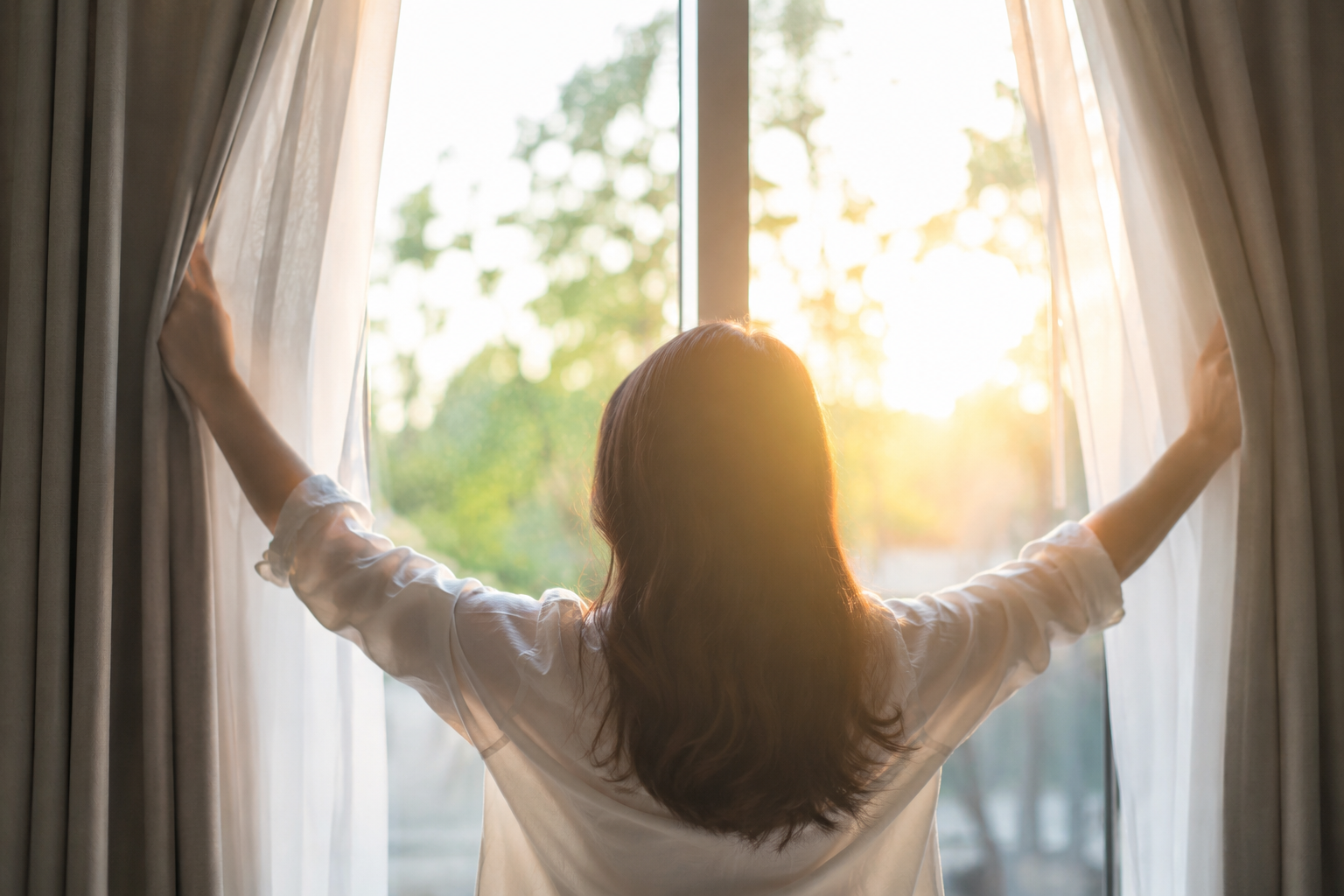 |
Embracing natural light early in the day helps the body regulate its biological clock, making it easier to sleep at night. *Image created by AI*.
Only go to bed when truly sleepy
Many individuals habitually go to bed early, then lie awake for tens of minutes, anticipating sleep. This practice gradually conditions the brain to associate the bed with wakefulness rather than rest.
Medical News Today advises that if you lie awake for approximately 20 minutes, leave the bed. Engage in a calming activity, such as reading or listening to soft music under dim light. Return to bed only when you feel sleepy, reinforcing the bed's association with sleep.
Avoid excessive weekend sleep-ins
Many individuals stay up late on weekdays and then sleep until noon on weekends to compensate for lost rest. However, drastically altering sleep and wake times disrupts the biological clock, hindering the body's adaptation to the weekday schedule.
Adults should maintain consistent sleep and wake times daily, even on weekends. If catch-up sleep is necessary, limit it to one to two additional hours beyond regular days to minimize disruption to the natural sleep-wake rhythm.
A consistent sleep schedule promotes evening drowsiness, enhances daytime alertness, and helps alleviate chronic insomnia.
Take a warm bath in the evening
A warm bath before bed can relax the body and facilitate quicker sleep onset. After bathing, body temperature naturally drops, a physiological signal for rest. This practice reduces the time it takes to fall asleep and improves sleep quality, even during hot weather.
Avoid checking the clock when waking up at night
Waking during the night is a normal occurrence for anyone. However, immediately checking the clock to calculate remaining sleep time can induce anxiety, making it harder to return to sleep.
Verywell Health states that frequent time-checking often leads to overthinking, increasing stress and alertness. Experts advise turning clocks away or keeping phones away from the bed to prevent this habit.
If you cannot fall back asleep after approximately 20 minutes, leave the bed. Engage in a relaxing activity like reading or listening to soft music under dim light, then return when you feel sleepy.
Bao Bao (Compiled)