Answer:
Knee osteoarthritis, a condition often resulting from the body's aging process, occurs when the protective cartilage covering the knee joint wears away, tears, or degenerates. This loss of cartilage leads to the knee bones rubbing directly against each other during movement, causing pain and inflammation. Since the condition cannot be "rejuvenated", treatment focuses on preventing further progression and alleviating discomforting symptoms.
As osteoarthritis progresses, the joint's production of synovial fluid diminishes in both quantity and quality, resulting in joint dryness and restricted movement. Hyaluronic acid injections are a common treatment. This lubricant helps to reduce friction between bone ends during movement, effectively relieving pain. Additionally, hyaluronic acid stimulates cartilage cells and the synovial membrane to produce the body's own synovial fluid.
Consequently, a single hyaluronic acid injection into the joint can provide relief for 6 months to one year, reducing pain and gradually improving joint function.
 |
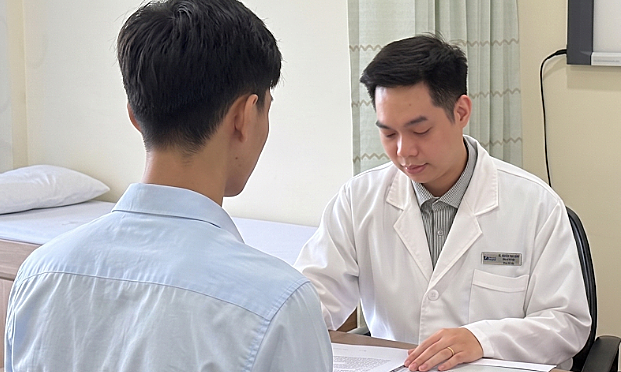
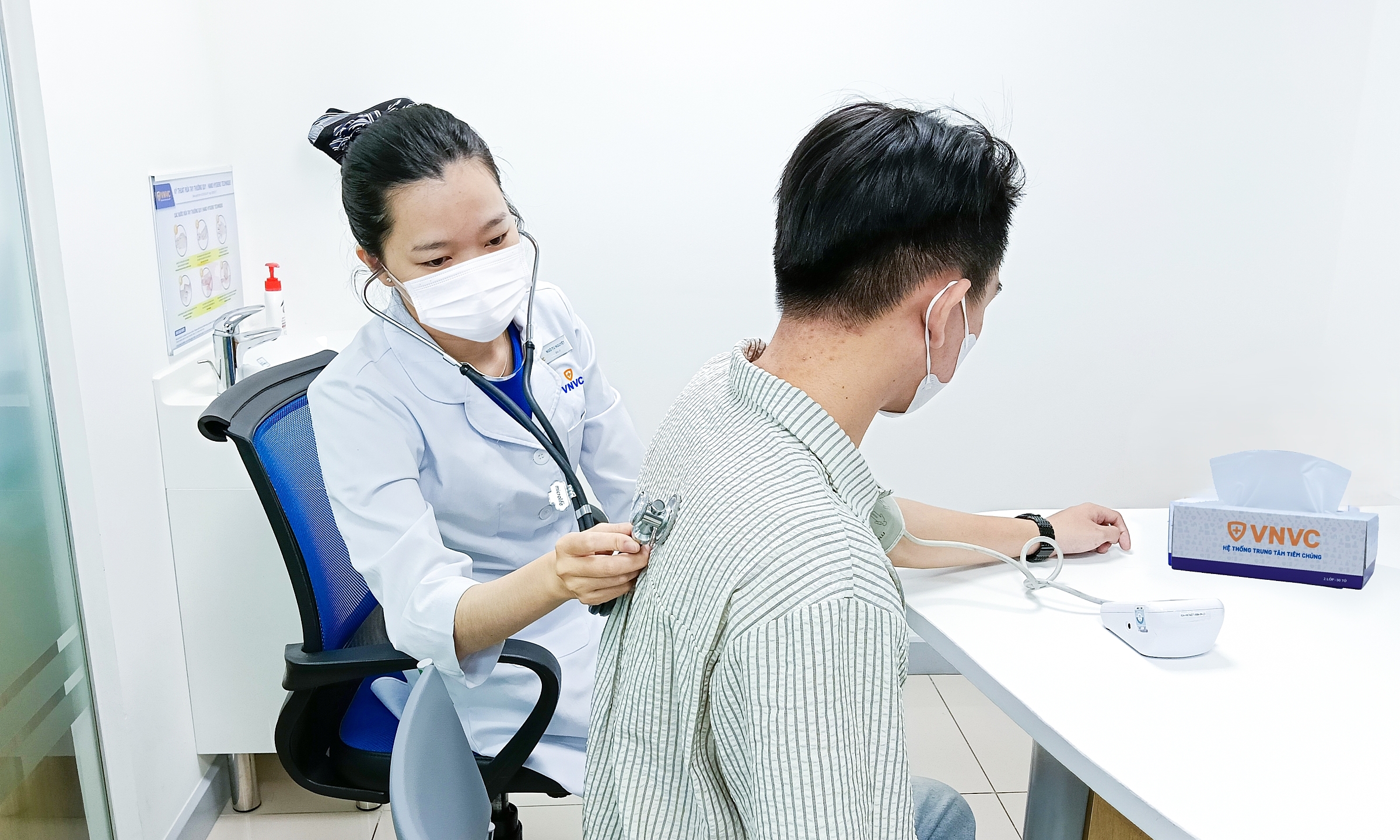
Doctor Van evaluates a patient's knee joint function. Photo: Tam Anh General Hospital
However, hyaluronic acid injections do have limitations. Not all patients respond well to the medication. Short-term side effects, such as inflammation and pain, may occur for two to three days. Furthermore, the injections are contraindicated for individuals with allergies to the drug's components, certain underlying disorders, or other specific medical conditions.
It is advisable to take your father for a thorough medical examination. A doctor can assess his overall health and determine the most appropriate treatment plan, including whether injections are suitable. If the disease progresses severely and hyaluronic acid injections prove ineffective, other options may include different types of injections, arthroscopic repair, or even joint replacement surgery.
Currently, joint replacement surgery, particularly for severe osteoarthritis, boasts a high success rate. For example, advanced systems like the Cuvis-Joint active joint replacement robot maximize the preservation of healthy bone tissue, balance soft tissues, and optimize joint load. This technology allows patients to experience rapid pain relief, walk on the first day post-surgery, be discharged after one to two days, and achieve natural mobility with enhanced functional recovery.
Dr. Dinh Pham Thi Thuy Van, Master of Science, First Degree Specialist
Department of Musculoskeletal Internal Medicine
Tam Anh General Hospital Ho Chi Minh City
| Readers can submit questions about musculoskeletal diseases here for doctors to answer. |