The eyes not only serve vision but can also indicate various systemic diseases, including liver and kidney conditions. Doctor Le Thi Huong Giang, a Specialist Level I at Tam Anh High-Tech Eye Center, Tam Anh General Hospital Hanoi, notes that changes in the sclera, eyelids, or vision may signal declining liver or kidney function.
Yellow eyes
Yellowing of the sclera (the white part of the eye) is a classic sign of liver disease. This occurs when liver damage prevents bilirubin, a yellow pigment from red blood cell breakdown, from being properly processed and eliminated. Bilirubin then builds up in the blood, depositing in the sclera and eventually spreading to the skin, causing jaundice.
Yellow eyes can indicate conditions such as viral hepatitis, advanced fatty liver, cirrhosis, or liver cancer. Patients often experience additional symptoms: dark urine, pale stools, itchy skin, fatigue, or discomfort in the right upper abdomen.
Dry eyes
Persistent dry eyes may also link to liver disease or chronic kidney disease. For those with liver conditions, metabolic disturbances and inflammation can reduce tear production, leading to dryness, discomfort, or frequent eye irritation.
Similarly, individuals with chronic kidney disease may experience dry eyes due to fluid and electrolyte imbalances, decreased tear production, or systemic chronic inflammation. If dry eye symptoms persist despite conventional treatment or appear with other body-wide symptoms, a medical evaluation is recommended to identify the underlying cause.
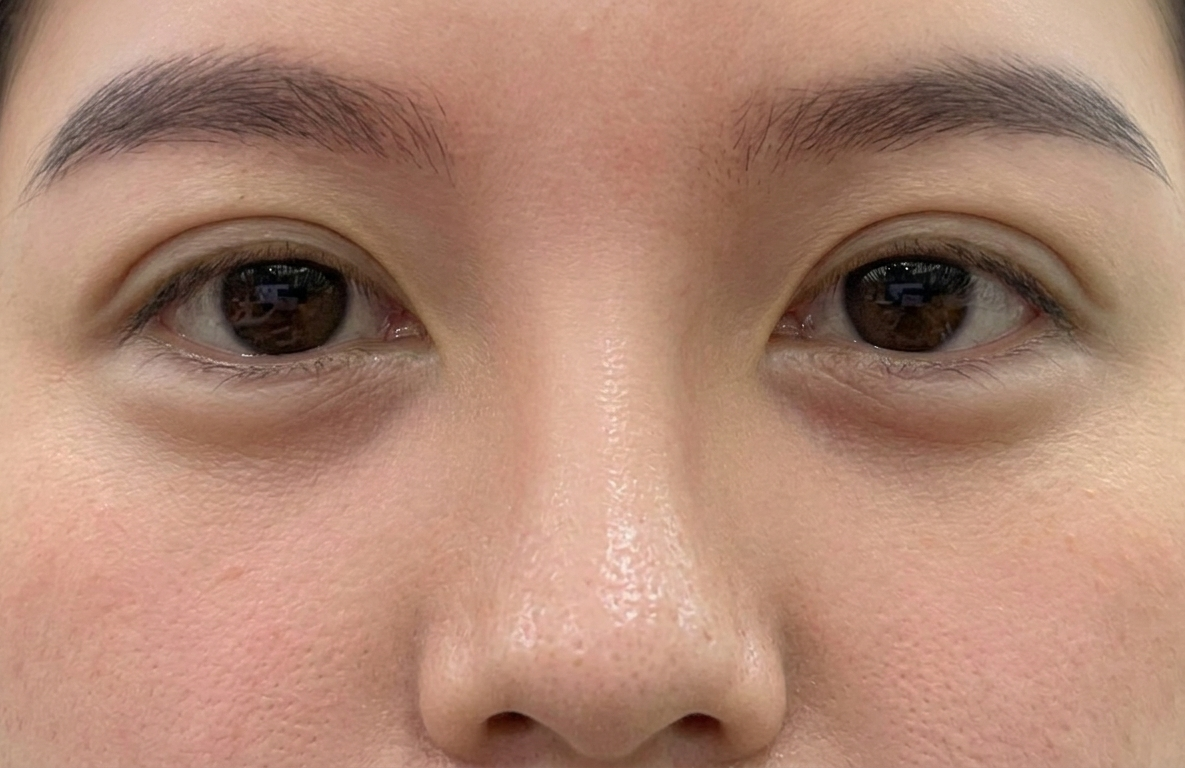 |
Persistent, unexplained swelling around the eyes may be a sign of illness. *Hoang Anh* |
Periorbital edema
Swelling around the eyes, particularly in the morning, often signals kidney disease. When kidneys are damaged, protein can leak into the urine, a condition known as proteinuria, which lowers blood albumin levels. Albumin helps retain fluid within blood vessels; its reduction allows fluid to escape into interstitial tissues, causing swelling. Eyelids often swell first due to their thin, loose subcutaneous tissue.
Kidney-related periorbital edema is often persistent, potentially accompanied by foamy urine, reduced urination, leg swelling, or high blood pressure.
Blurred, double vision
Sudden blurred or double vision, or difficulty focusing, may indicate damage to small retinal blood vessels caused by high blood pressure or diabetes. These conditions are also common causes of chronic kidney disease. Poorly managed high blood pressure or diabetes can lead to vascular damage, fluid leakage, retinal edema, and even vision loss. Therefore, individuals with high blood pressure or diabetes should undergo regular eye examinations and kidney function monitoring.
Difficulty distinguishing colors
Prolonged kidney dysfunction can also impact vision. Some patients observe a gradual decline in their ability to distinguish colors, particularly blue and yellow hues. This condition may stem from retinal or optic nerve damage, often a complication of chronic kidney disease, such as high blood pressure, diabetes, or the buildup of toxins due to impaired kidney filtration.
Changes in color perception often develop slowly, making them easy to confuse with aging. However, if colors appear increasingly faded or familiar colors become hard to distinguish, especially when accompanied by kidney disease symptoms, a comprehensive eye exam and kidney function check are advisable.
Hoang Duong
| Readers can submit questions about ophthalmological conditions here for doctors to answer. |