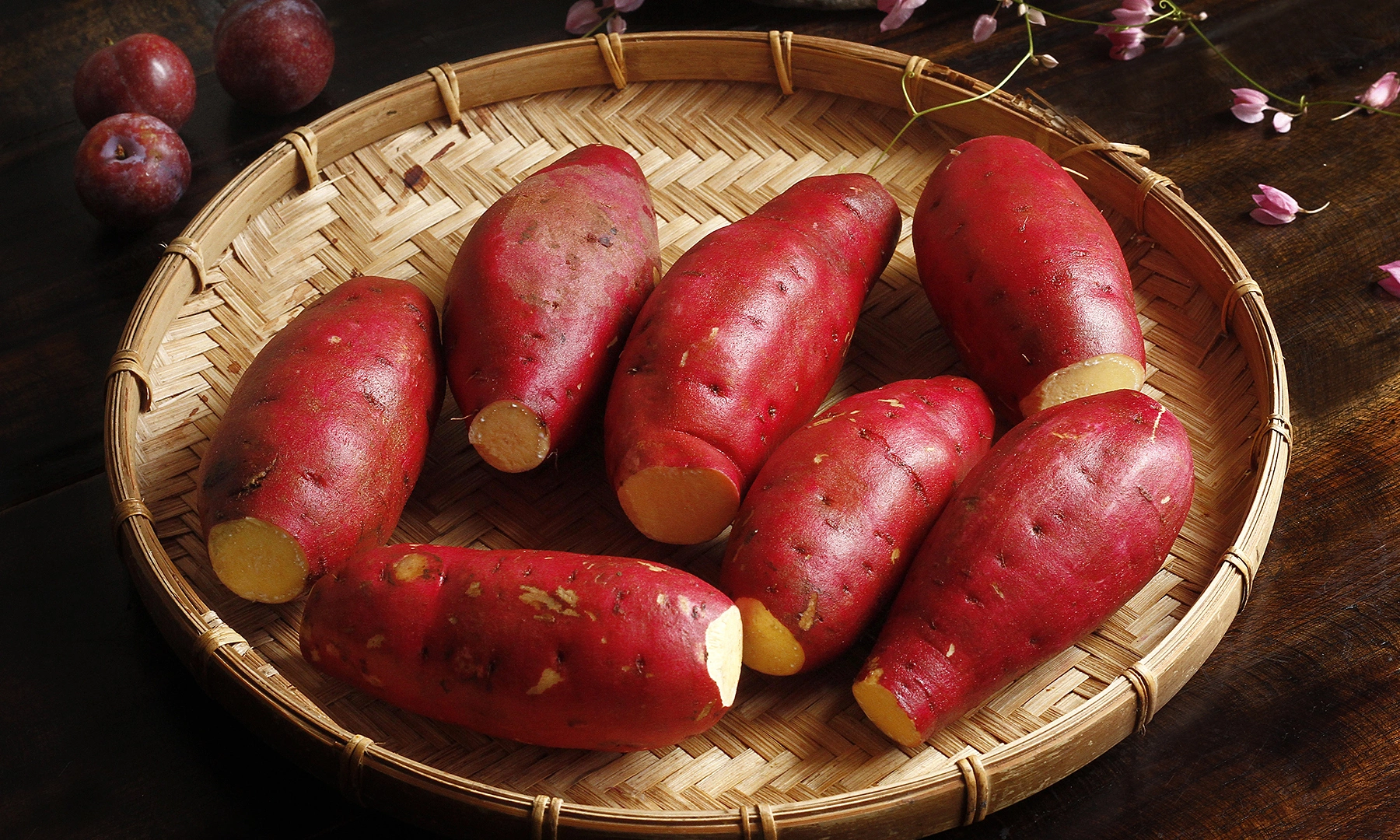
Dr. Le Thi Thu Ha, from the Department of Nutrition and Dietetics at Tam Anh General Hospital TP HCM, states that people with diabetes can still enjoy certain sweet fruits in appropriate portions. Natural fructose sugar in fruits, despite being 1.5 to 2 times sweeter than glucose metabolized from starches, has a low glycemic index.
Instead of directly entering the bloodstream, fructose travels to the liver, where it is converted into glucose for energy or stored as fat. This indirect metabolic process does not immediately stimulate insulin secretion, thereby preventing sudden blood sugar spikes. The fiber, vitamin, and antioxidant content in fruits also slows down sugar absorption into the bloodstream.
Dr. Thu Ha recommends that diabetics prioritize eating whole fruits rather than juicing them to maximize fiber intake. Patients should also consume fruits with healthy fat-containing nuts, distributing their intake evenly throughout the day as snacks, at least two hours before or after main meals.
Here are some sweet fruits that diabetics can enjoy:
Strawberries, blueberries, raspberries
The anthocyanin compounds in these berries help reduce chronic inflammatory responses, enhance insulin sensitivity, and support cardiovascular health.
Apples
Pectin, a soluble fiber concentrated in the skin, nourishes gut microbiota and slows down digestion. Additionally, the combination of fiber and polyphenols in apples helps regulate sugar metabolism.
Pears
Pears have a relatively low glycemic index, are rich in fiber, and offer natural sweetness. They are a suitable choice to curb sweet cravings for patients. The flavonoid compounds in ripe pears also help optimize insulin activity.
Cherries
This fruit contains a group of powerful antioxidants that soothe cellular inflammatory damage, thereby reducing the risk of associated cardiovascular complications.
Oranges
Eating whole orange segments allows the body to fully absorb flavonoids and vitamin C. The combination of these two nutrients helps maintain stable energy levels and strengthens immunity.
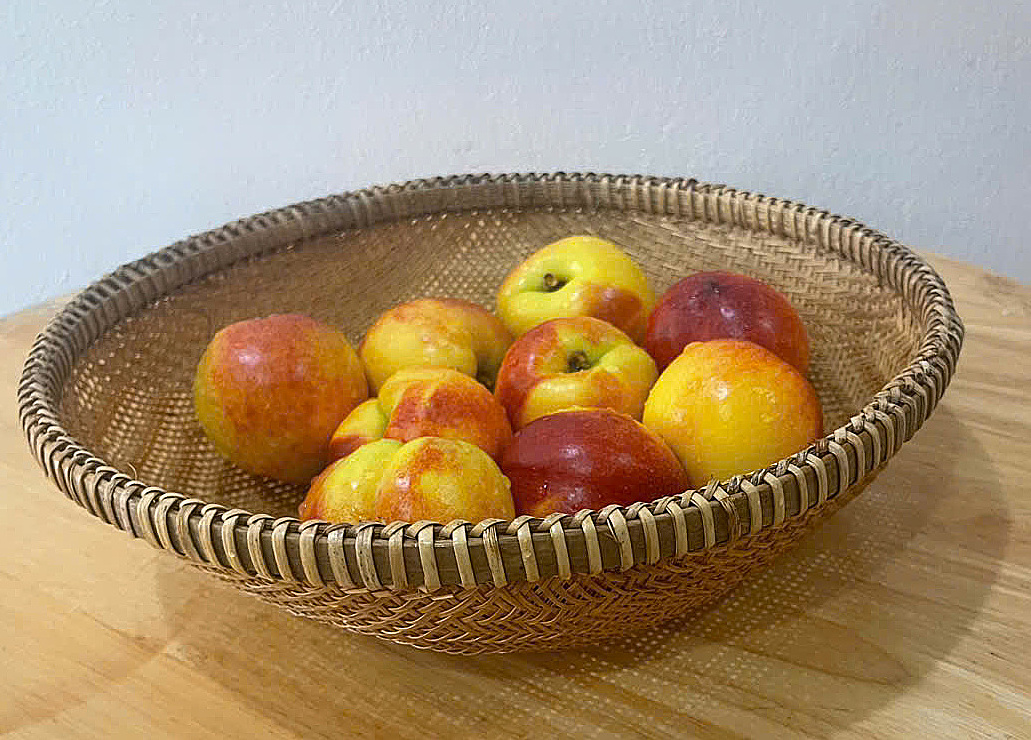 |
Peaches are rich in nutrients, suitable for diabetics. *Le Nguyen*
Peaches
Peaches can help limit sudden blood sugar increases after meals. The many nutrients in peaches also support overall metabolic function.
Kiwi
Beyond vitamin C, kiwi also provides a significant amount of potassium to help control blood pressure, combined with natural enzymes that aid smooth digestive function.
Dr. Thu Ha notes that in addition to selecting appropriate fruits, diabetics must also focus on managing blood lipids and blood pressure. This is because impaired glucose metabolism often co-occurs with lipid metabolism disorders, increasing the risk of vascular damage and leading to dangerous cardiovascular complications.
Patients can supplement with natural bioactive compounds capable of regulating blood lipids and protecting vascular walls, such as Policosanol (GDL-5), extracted from South American sugarcane wax. This compound helps control cholesterol levels, limits plaque formation in blood vessels, supports blood pressure stability, and prevents vascular complications.
Blood sugar management relies not just on a few individual foods, but on a comprehensive combination of healthy lifestyle choices. Patients should maintain regular physical activity, manage stress, and adhere to their medical treatment plans.
Patients should undergo regular check-ups to receive personalized dietary advice tailored to their health status, which helps in blood sugar control.
Bui Duc
| Readers can submit nutrition questions here for a doctor's response. |