When Phung arrived at Tam Anh General Hospital (TP HCM), she weighed 74 kg, was 1,56 m tall, diagnosed with class two obesity and dyslipidemia. Her low-density lipoprotein (LDL) cholesterol level was 160 mg/dL, significantly above the normal range of under 100 mg/dL. Ultrasound results revealed multiple 5 mm polyps in her gallbladder and class two fatty liver disease.
Doctor Doan Minh Yen Ha, from the Department of Endocrinology and Diabetes, stated that Phung suffered from multiple gallbladder polyps. Overweight and obesity lead to metabolic disorders, increasing blood fat and causing cholesterol to accumulate in the gallbladder lining. Insulin resistance and dyslipidemia in obese individuals also contribute to increased cholesterol accumulation in bile, thereby promoting polyp formation. Common symptoms of multiple polyps include: right upper quadrant pain, nausea, vomiting, bloating, and indigestion.
According to Doctor Ha, about 95% of gallbladder polyps are benign and carry no risk of cancer. However, if the number of small polyps increases, spreads, or forms large clusters in the gallbladder, patients may require surgery to prevent potential complications such as polyps progressing to cancer, cholecystitis (gallbladder inflammation), or biliary obstruction.
Initially, patients should focus on weight loss, reducing visceral fat, and maintaining stable blood fat levels to control the polyps and prevent further progression. The doctor prescribed obesity medication combined with dietary changes to reduce cholesterol accumulation in the gallbladder.
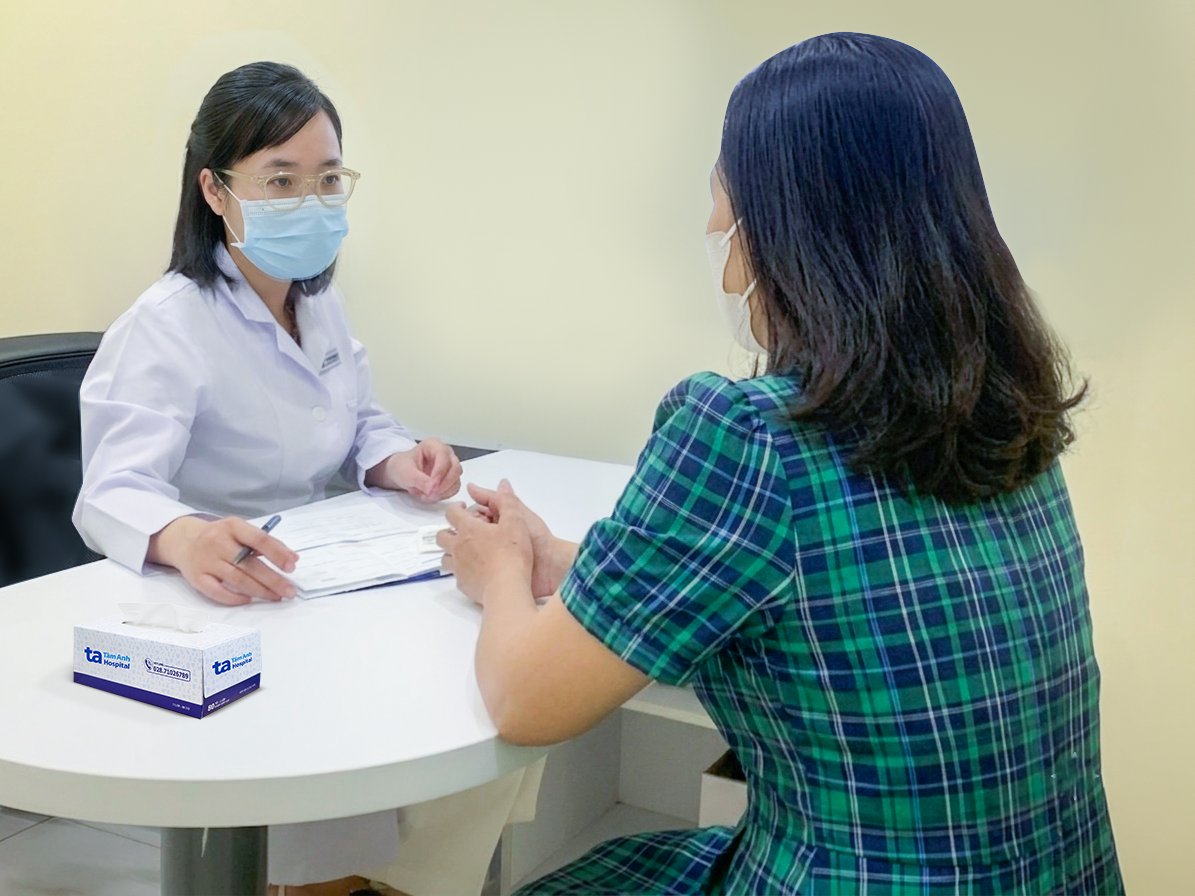 |
Doctor Yen Ha advises Phung on her diet after she lost 11 kg. Photo: Tam Anh General Hospital.
Patients should limit animal fats, fried foods, chicken skin, fatty meats, and organ meats to reduce lipid metabolism disorders and restrict cholesterol accumulation in the gallbladder. Increasing intake of green vegetables, fiber, and omega-3-rich foods like fatty fish, flaxseed, and walnuts helps improve blood fat levels. Drinking 1,5-2 liters of water daily can prevent bile stagnation. Eating on time, having smaller meals, and prioritizing steamed, boiled, or lightly braised dishes while limiting greasy foods can support gallbladder function.
Doctor Ha noted that some estrogen-containing birth control pills can cause water retention, leading to weight gain. If Phung requires contraception, she should consult her doctor to choose medications that cause less water retention, thereby minimizing impact on her weight.
After three months of treatment, she lost 11 kg, and her visceral fat decreased from 180 cm2 to 120 cm2. Follow-up examinations showed that the gallbladder polyps had not worsened, and while surgery was not yet necessary, regular monitoring was advised.
Duc Hanh
*Patient's name has been changed.
| Readers can submit questions about endocrine diseases here for a doctor's response. |