Many people restrict or remove fruit from their diet due to concerns about its sugar content, especially when managing blood sugar. However, whole fruits offer fiber, vitamins, minerals, and beneficial plant compounds. Individuals with diabetes or pre-diabetes can still enjoy fruit by monitoring carbohydrate intake and portion sizes.
Misconception one: Diabetics must avoid fruit.
Many believe that a diabetes diagnosis means completely cutting out fruit. According to Very Well Health, while fruits contain natural sugars like fructose, glucose, and sucrose, focusing solely on sugar content overlooks their full nutritional value. Whole fruits also provide water, fiber, vitamins, minerals, and various plant compounds. Fiber plays a crucial role by slowing the digestion and absorption of carbohydrates. Thus, rather than fixating on the sugar grams in a specific fruit, individuals should consider its total carbohydrate content, fiber, and appropriate portion sizes.
 |
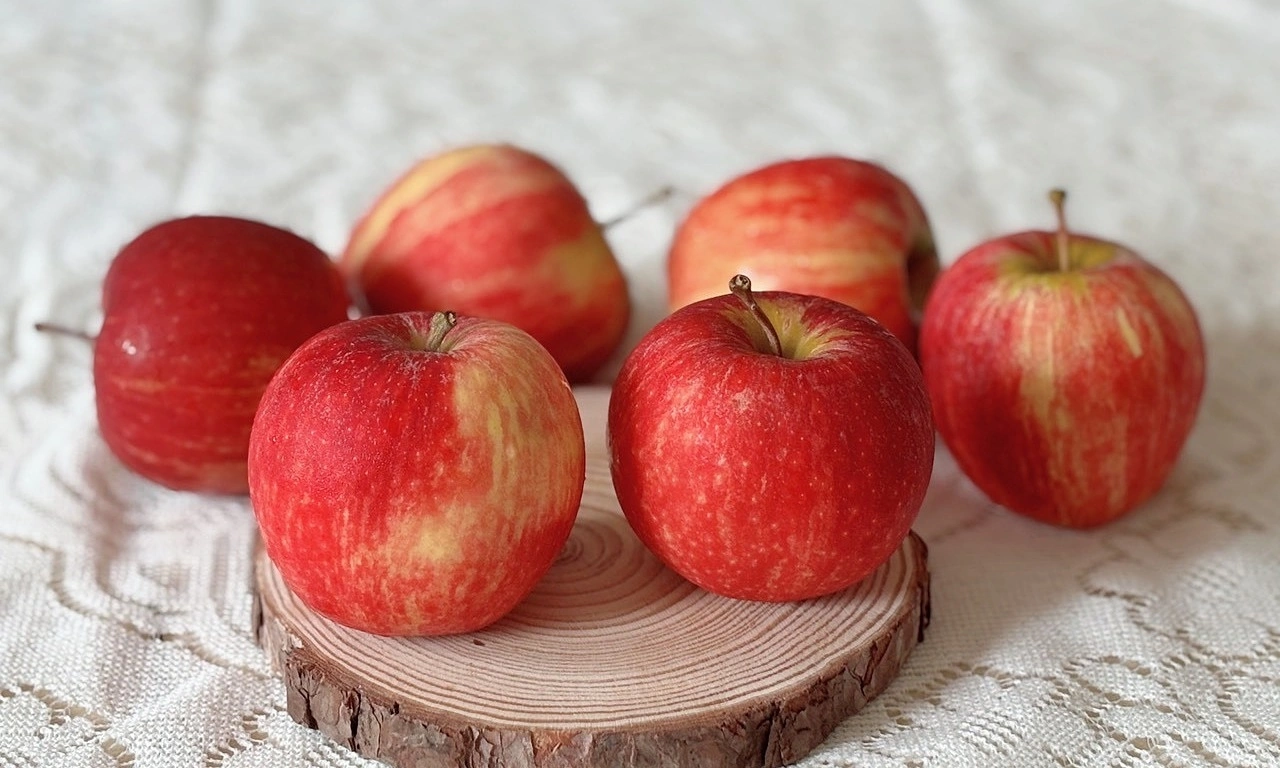
Eating whole fruit retains more fiber than juice. Photo: Bui Thuy
Misconception two: Only berries benefit blood sugar.
While strawberries, blueberries, and other berries are rich in fiber and nutrients, they are not the only effective option for managing blood sugar. Fruits such as apples, pears, oranges, tangerines, peaches, kiwi, and melons can also be included in a balanced diet. It is advisable for individuals to consume a diverse range of fruits to ensure a broad intake of various nutrients.
Misconception three: Natural sugar has no impact on blood sugar.
A common misunderstanding is that natural sugars do not affect blood sugar levels. However, naturally occurring sugar is still a carbohydrate. When fruit is consumed, these carbohydrates can indeed cause blood sugar to rise. Consequently, fruit should not be considered a food that can be eaten without limits. Individuals who need to control their carbohydrate intake should include fruit in their total daily carbohydrate count. The body's response can also differ based on the specific type of fruit and the portion consumed.
Misconception four: Juice is equivalent to whole fruit.
Many people mistakenly believe that fruit juice offers the same nutritional benefits as whole fruit. However, when fruit is juiced, most of its beneficial fiber is removed. Juice is also typically consumed in larger quantities and much more quickly than whole fruit, which means the body takes in a greater amount of natural sugar in a shorter period. To maximize fiber intake and better control portion sizes, it is preferable to eat whole fruit. If choosing to drink juice, consume it in moderation and select 100% fruit juice without any added sugars, advises Eating Well.
Misconception five: Dried fruit invariably spikes blood sugar.
Dried fruit contains a more concentrated amount of natural sugars and carbohydrates because most of its water content has been removed. However, this does not automatically mean that consuming dried fruit will always lead to a significant spike in blood sugar. The actual impact depends on the specific product and the quantity eaten. It is recommended to consume about 30 g per serving, which is roughly a small handful, and to choose varieties without added sugar. To create a more balanced snack, pair dried fruit with nuts or foods rich in protein and fat, rather than eating large quantities of dried fruit on its own.
Le Nguyen (Compiled)