Magnesium and potassium help regulate blood pressure
Pumpkin seeds provide magnesium, a mineral essential for muscle and nervous system function, and it also contributes to blood pressure regulation, according to EatingWell. Magnesium helps regulate vascular tone, supporting blood vessel relaxation and maintaining a normal heart rhythm.
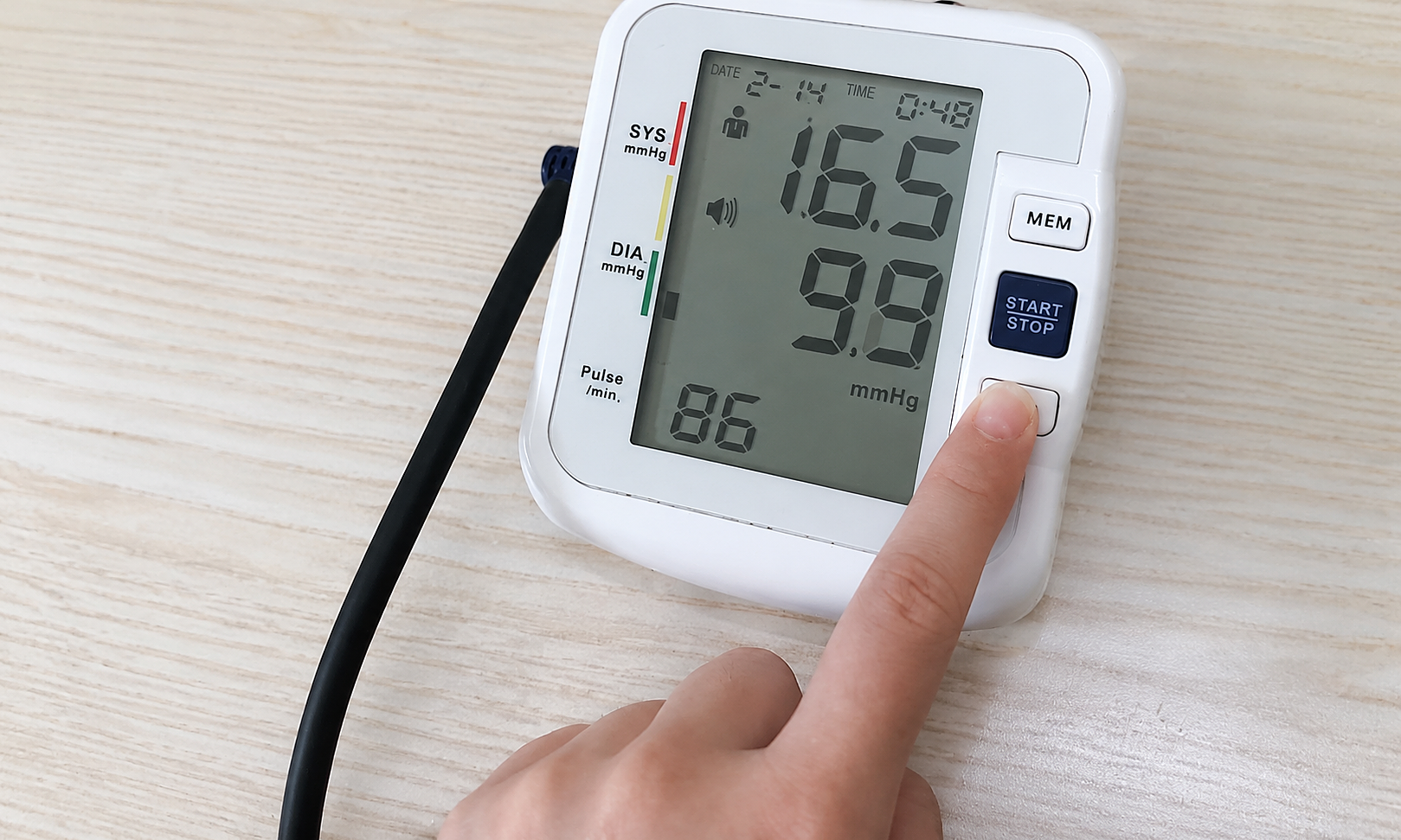
Prolonged high blood pressure forces the heart to work harder, potentially leading to cardiac muscle hypertrophy and heart failure over time. Increased blood pressure also damages blood vessel walls, promoting atherosclerosis and raising the risk of myocardial infarction and stroke. Additionally, hypertension can impair kidney function, cause retinal damage, and affect vision, memory, and cognitive abilities.
 |
Pumpkin seeds are rich in nutrients beneficial for the heart. *Photo: Bao Bao* |
Unsaturated fats help control cholesterol
Most of the fat in pumpkin seeds consists of unsaturated fats, including: monounsaturated and polyunsaturated fatty acids. When used in place of saturated fat sources like animal fat or butter, these fats can reduce low-density lipoprotein (LDL) cholesterol, often called "bad" cholesterol, limiting plaque buildup in artery walls. Incorporating pumpkin seeds into a balanced diet helps protect heart and blood vessel health.
These seeds are rich in fiber, which helps maintain digestive function, promotes satiety, and supports weight management. Maintaining a healthy weight also helps control cardiovascular risk factors such as blood pressure and dyslipidemia.
Antioxidants help protect blood vessels
Pumpkin seeds contain vitamin E and plant compounds with antioxidant properties. These substances help protect cells from the effects of free radicals, which can cause cellular damage when they accumulate excessively. Prolonged oxidative stress is linked to inflammation and blood vessel damage, increasing the risk of cardiovascular disease, according to the Times of India.
How to consume pumpkin seeds for heart health
Individuals can enjoy pumpkin seeds as a snack or add them to yogurt, porridge, and salads. Opt for unsalted or low-sodium varieties to limit sodium intake, especially for those with hypertension. A serving of about 28-30 grams per day is a suitable reference amount to incorporate into one's diet.
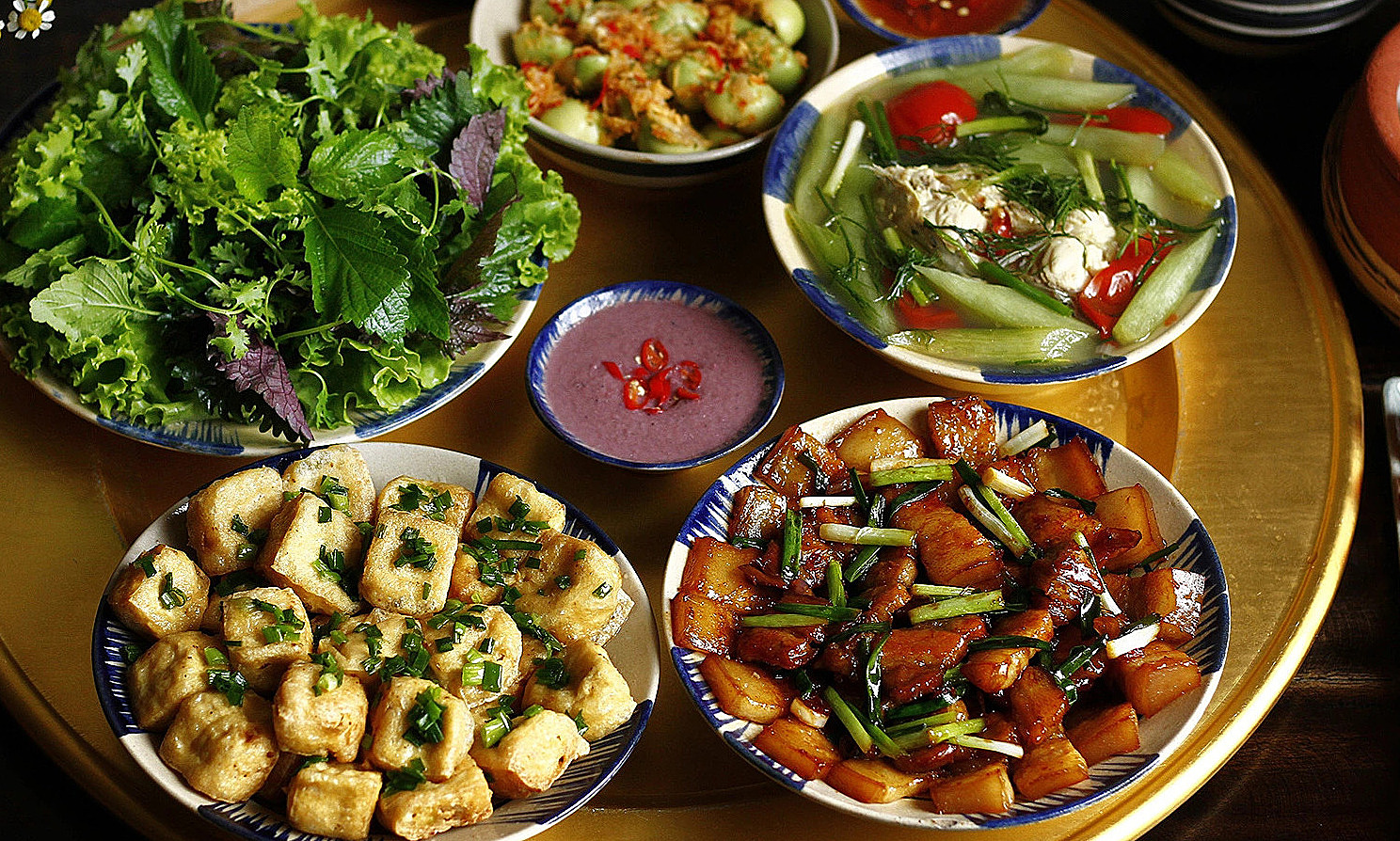
To protect heart health, it is advisable to combine pumpkin seeds with green vegetables, fruits, whole grains, legumes, and fish. Everyone should limit foods high in salt and saturated fats, maintain physical activity, and undergo regular blood pressure and cholesterol checks.
By Le Nguyen (Compiled)
| Readers can ask questions about cardiovascular disease here for doctors to answer. |